Ukraine Imposes Sanctions on Vessels and Firms Over Illegal Grain Exports from Occupied Territories
Kyiv targets 13 ships and 28 companies to curb unauthorized grain exports amid ongoing conflict with Russia.
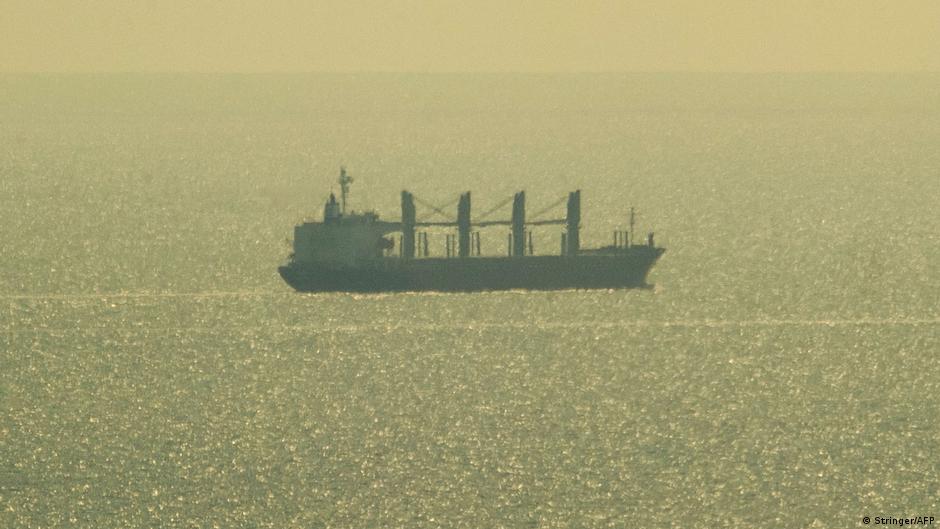
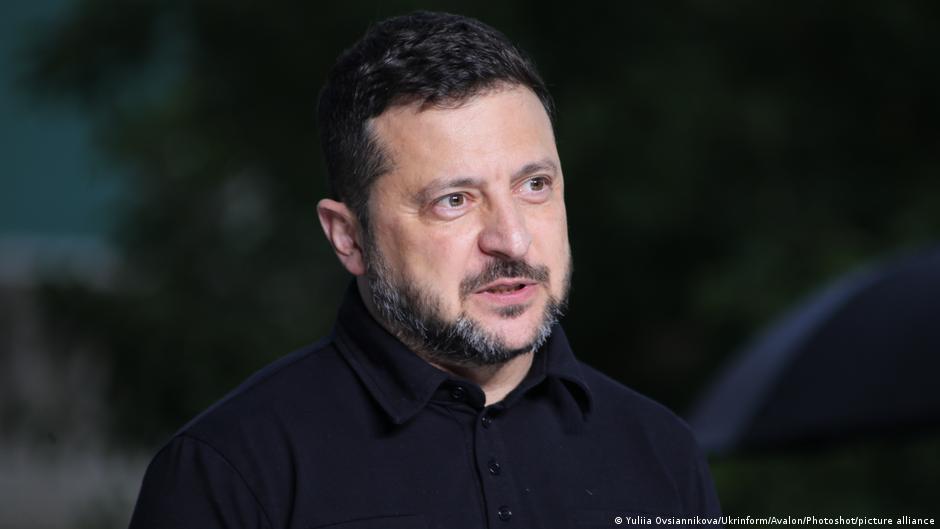
On August 14, 2025, Ukrainian President Volodymyr Zelensky enacted sanctions against 13 vessels and 28 companies involved in the illegal export of grain from Russian-occupied territories in Ukraine. This move aims to disrupt unauthorized grain sales on international markets and exert pressure on entities complicit in the illicit trade.
Implications of Ukraine’s Sanctions for Global Agricultural Trade
The sanctions specifically target ships registered under various flags, including eight Russian, three Panamanian, one Belizean, and one from St. Kitts and Nevis. Additionally, 11 Russian nationals and 28 legal entities have been sanctioned. This expansion of punitive measures follows a similar crackdown initiated in November 2024, when Ukraine imposed sanctions on 56 vessels engaged in unauthorized grain exports from occupied ports.
The Ukrainian government has emphasized its intention to share comprehensive information with allied states to coordinate international sanctions enforcement. Vladyslav Vlasiuk, Ukraine's presidential envoy for sanctions policy, stressed that all parties involved—from companies and shipowners to captains and vessels—should face consequences for their participation in illicit activities.
“Illegal export of Ukrainian grain from temporarily occupied territories must bear consequences for all involved parties—companies, owners, captains, and vessels alike,” said Vladyslav Vlasiuk.
Given Ukraine's crucial role as a global grain supplier, these sanctions carry significant repercussions for the agricultural commodity markets and international trade routes. The illegal movement of grain from occupied regions undermines Ukraine’s export revenues and complicates global food security dynamics, particularly in regions dependent on Black Sea grain shipments.
Moreover, the sanctions reflect a broader strategic effort by Kyiv to assert economic sovereignty and disrupt Russia's attempts to capitalize on occupied Ukrainian assets. The growing international coordination to enforce these measures highlights the geopolitical stakes tied to agricultural exports amidst ongoing conflict.
While the enforcement of these sanctions may constrain illicit trade channels, it also adds layers of complexity to shipping operations in the Black Sea region. Market participants and policymakers must now navigate heightened regulatory scrutiny and evolving risk profiles linked to grain export logistics.
In the long term, Ukraine's dynamic sanctions regime signals a shift toward leveraging economic tools to influence the conflict's trajectory and preserve the integrity of its export infrastructure. It also serves as a case study in how war-time economic policies can affect global commodity markets and influence international cooperation mechanisms.