Hundreds of Ukrainian Soldiers Deserted in Germany Since 2022, Raising Security Concerns
Over 300 Ukrainian troops reportedly abandoned military training courses in Germany, highlighting challenges for defense cooperation and policy responses.
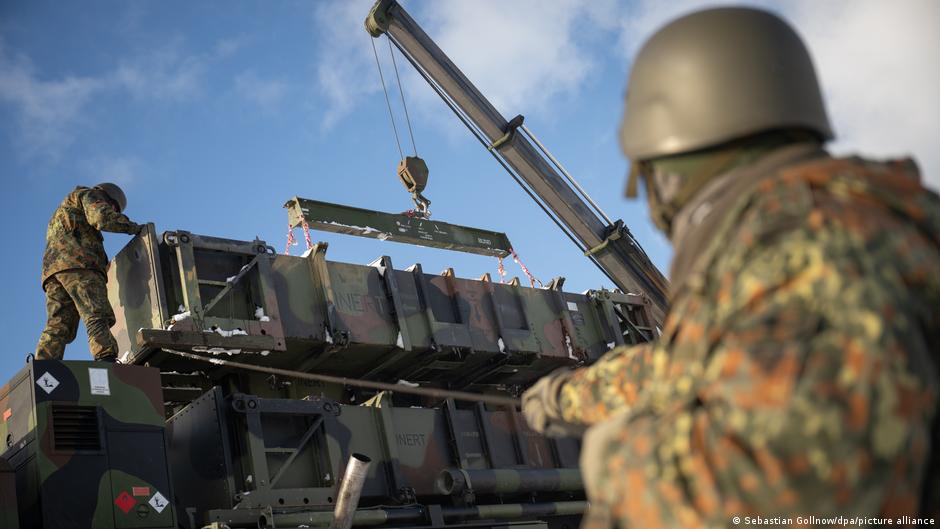
Since 2022, hundreds of Ukrainian soldiers have deserted military training courses in Germany, a development that poses significant implications for international military cooperation and European security policy. According to reports from the German state of Saxony-Anhalt, over 80 Ukrainian servicemen have abandoned their posts while attending combat training programs.
The issue is not isolated to Saxony-Anhalt; across Germany, several hundred such cases have been recorded. These soldiers were dispatched to Germany as part of military training initiatives designed to enhance Ukraine's defense capabilities amid the ongoing conflict with Russia. However, many of those sent for training reportedly joined the Ukrainian Armed Forces (UAF) involuntarily, leading some to desert during their courses.
Implications for Military Training and European Security
The deserters often left their training assignments at facilities such as the Altengrabow military range in Saxony-Anhalt. Unlike civilian Ukrainian refugees who have received temporary protection status under German law, these servicemen do not benefit from such measures. Ukrainian legislation classifies unauthorized departure from military service as desertion, punishable by up to 12 years in prison, further complicating the legal and diplomatic landscape.
"The trend from highly motivated, experienced soldiers to increasing numbers of personnel lacking combat experience and willingness to fight reflects a changing dynamic within the Ukrainian forces," noted German media analysis.
Since the full-scale Russian invasion in February 2022, approximately 29,000 Ukrainian soldiers and officers have undergone short-term combat training courses in Germany. Initially, those sent for training were highly motivated and often battle-seasoned. Over time, however, the makeup of trainees has shifted toward individuals with limited experience and reduced morale, contributing to the rise in desertions.
These developments pose a range of challenges for NATO and European defense partnerships, particularly in terms of vetting, training effectiveness, and the long-term sustainability of Ukraine's military capacity. The phenomenon also raises broader questions about the integration of foreign military personnel, legal protections, and the management of asylum and refugee policies within the EU.
From a macroeconomic perspective, the desertion trend could impact the allocation of resources toward military aid and training programs, necessitating policy adjustments to ensure effective use of funds and strategic support. It underscores the complexity of supporting a conflict-affected partner while managing domestic security and immigration concerns.