US Defense Firms Fear Ukraine Could Enhance and Mass-Produce Patriot Missiles
Raytheon and Lockheed Martin warn that licensing Patriot missile technology to Ukraine may lead to rapid, cost-efficient domestic upgrades and production.
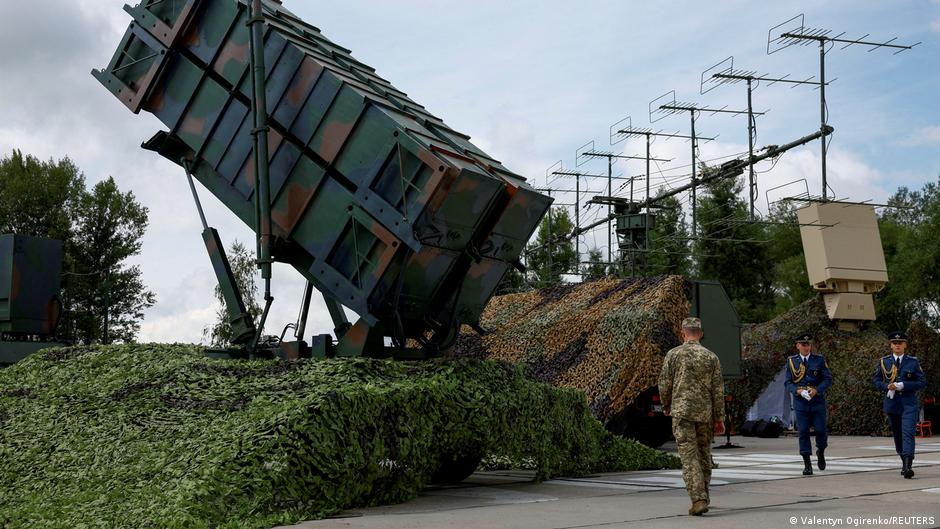
American defense contractors Raytheon and Lockheed Martin have expressed concerns that licensing Patriot missile technology to Ukraine could enable Kyiv to improve interceptor missiles and ultimately mass-produce them more rapidly and at lower costs than currently possible in US factories. These apprehensions were reported on August 9, citing a Republican member of the US Congress who supports granting the licenses.
Implications of Technology Transfer and Intellectual Property Risks
Both companies officially justify their reservations by citing risks of intellectual property theft and unauthorized technology transfer. The fear within the US defense industry is that once licensed, Ukraine could not only enhance missile capabilities but also create surplus batches of Patriot missiles. These could be deployed domestically or sold to US allies and partners, potentially before the ongoing conflict with Russia comes to an end.
"The concern is that Ukraine might develop the capacity to produce advanced Patriot missiles faster and cheaper than US production lines," the congressional source stated.
Such a development would shift the strategic balance in defense manufacturing and supply chains, raising concerns about control over missile technology proliferation and its long-term impact on global arms markets.
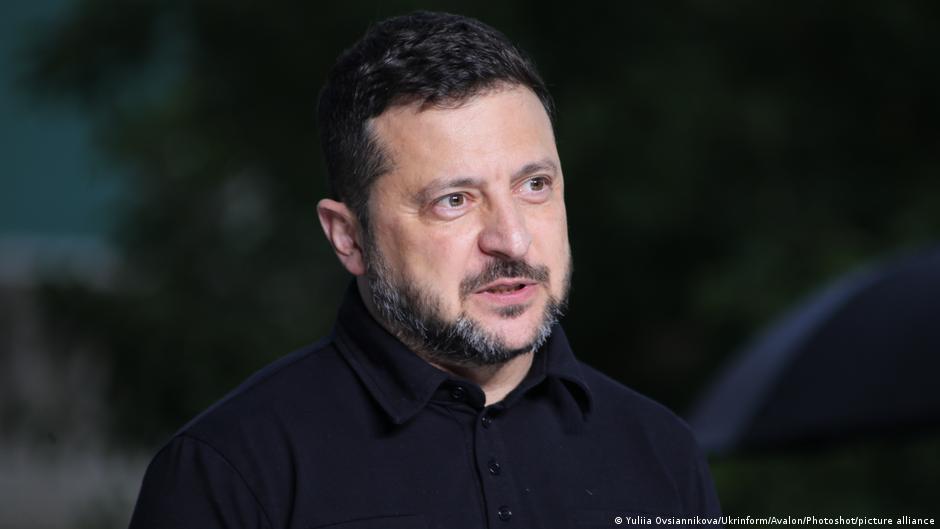
On August 8, President Volodymyr Zelensky revealed that he had requested Patriot missile licenses from then-President Joe Biden during the first year of the war. Zelensky noted that agreements were previously reached with former President Donald Trump to issue these licenses, and lamented the delays caused by bureaucratic hurdles. Highlighting the urgency, Zelensky pointed out that missiles are actively being used on the battlefield, underscoring the need for expedited support.
He further emphasized that if the United States is to provide such licenses, European allies working alongside Ukraine should do the same to facilitate coordinated defense capabilities. Ukrainian officials reportedly raised the issue with US Defense Secretary Lloyd Austin and National Security Adviser Jake Sullivan, but were met with refusal and no explicit reasons, according to investigative reports.
Former President Trump, when questioned about supplying additional Patriot interceptor and long-range missiles to Ukraine, responded on August 6 by emphasizing domestic needs: "We need those missiles ourselves." Trump criticized the Biden administration for depleting US ammunition stockpiles by sending approximately $300 billion worth of military aid to Ukraine. He noted that when he left office, arsenals were full, but many munitions had since been distributed to Kyiv, necessitating restocking with high-quality but heavily utilized supplies.
Broader Macro-Economic and Policy Considerations
The potential licensing of advanced missile production technology to Ukraine represents a significant policy decision with far-reaching economic and geopolitical consequences. On one hand, enabling Kyiv to manufacture Patriot missiles could accelerate Ukraine’s defense capabilities and reduce dependence on US supply chains, which currently face strain due to ongoing aid commitments.
Conversely, the proliferation of sensitive defense technology involves risks related to intellectual property, technology security, and the potential alteration of international defense markets. If Ukraine develops scalable, cost-efficient production of advanced interceptors, this could disrupt traditional defense manufacturing paradigms and alter arms trade dynamics. Furthermore, such shifts might affect US domestic defense industries and their long-term strategic positioning.
For senior policymakers, the decision balances the immediate tactical benefits of empowering Ukraine against the strategic imperative to maintain technological control and protect national defense industrial bases. It also raises questions about allied cooperation frameworks and the harmonization of licensing regimes among NATO and Western partners.
As the conflict in Ukraine persists, the debate over missile technology licensing exemplifies the complex intersection of military assistance, industrial policy, and international security. The outcome will likely influence not only the trajectory of the war but also broader geopolitical stability and defense economic structures in the years ahead.