Over 180 Drones Shot Down Near Moscow Amid Large-Scale UAV Assault
Moscow authorities report destruction of 180+ unmanned aerial vehicles targeting the region, with implications for civil infrastructure and airspace management.
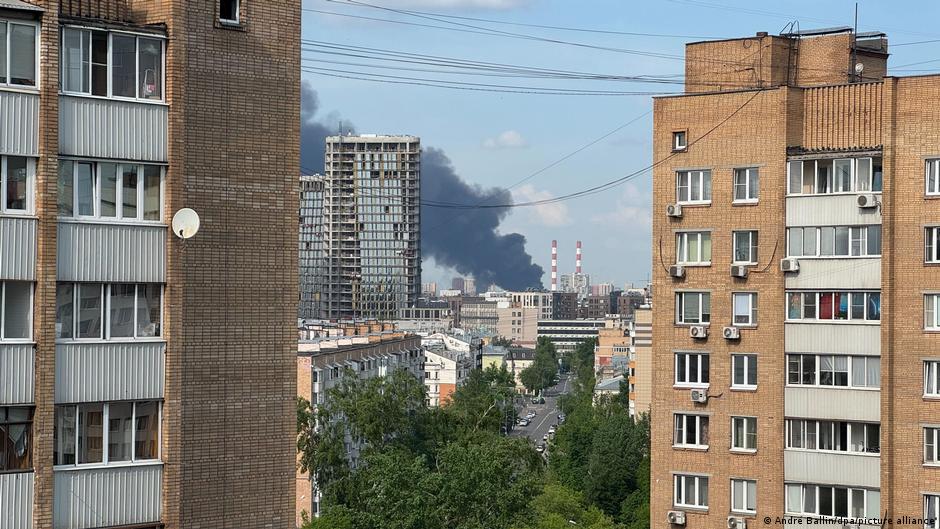
In the early hours of August 18, Moscow's mayor Sergei Sobyanin announced that more than 180 unmanned aerial vehicles (UAVs) had been intercepted and neutralized over the Moscow region during a significant drone assault. According to his report, a total of 620 drones were detected heading toward Moscow overnight from August 17 to 18.
Scope and Impact of the Drone Assault
The large-scale deployment of UAVs triggered numerous explosions heard in several towns surrounding Moscow, including Noginsk, Zheleznodorozhny, Elektrostal, and Pavlovsky Posad, according to local sources. While specific targets have not been officially disclosed, videos circulating from monitoring channels show active air defense engagement in the region.
Damage to civilian infrastructure has been reported. Notably, the residential complex "Duna" in Kotelniki, situated approximately five kilometers east of the Moscow Refinery, suffered damage. This refinery has been a recurring target of drone attacks in recent times. Additional incidents include a fire at a commercial pavilion near the Globus shopping center in Kolomna caused by falling drone debris, and damage to a Wildberries warehouse in the Bogorodsky district.
The human toll includes injuries from drone crashes: a 10-year-old girl sustained shrapnel wounds to her hand in the Ramensky district, a woman required medical aid in the Bogorodsky district, and a 27-year-old man was injured in Kolomna. These incidents underline the escalating risks to civilian populations amid drone warfare near major urban centers.
"More than 180 drones were destroyed over the Moscow region during a single night amid a broader attack involving over 600 UAVs," said Mayor Sobyanin.
Airspace and Economic Implications
In response to the drone threat, Russian aviation authorities implemented temporary restrictions on the reception and departure of aircraft at key Moscow airports including Vnukovo, Domodedovo, and Zhukovsky. Sheremetyevo airport also operated under constrained airspace conditions, with flights coordinated closely with regulatory agencies.
These airspace limitations highlight the broader economic and operational disruptions such attacks can impose on vital transportation hubs, with potential ripple effects on national and international logistics and commerce.
From a macroeconomic perspective, the repeated targeting of critical infrastructure such as the Moscow Refinery has significant implications. Disruptions to energy processing facilities can impact supply chains, fuel availability, and overall industrial productivity, thereby posing risks to economic stability and growth. Additionally, the necessity to bolster air defenses and civil protection measures entails increased public expenditure, diverting resources from other economic priorities.
The escalation in UAV attacks near Moscow underscores the evolving security challenges facing urban centers and the interconnectedness of military actions with economic resilience. Decision-makers must consider the long-term effects of such conflicts on infrastructure security, public safety, and the economic environment in the region.