Over 40 Nations Call for Pre-Launch Notices on Ballistic Missile Tests to Enhance Global Security
A coalition of over 40 countries urges mandatory 24-hour advance notification for ballistic missile tests to mitigate geopolitical risks and promote stability.
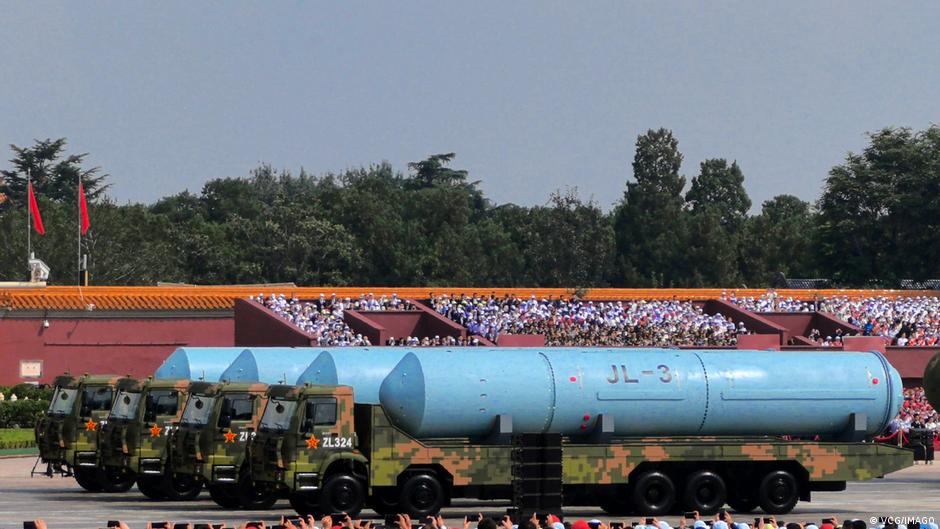
More than 40 countries, including key players such as the United States, South Korea, and Japan, have jointly called for greater transparency surrounding ballistic missile tests, emphasizing that unannounced launches pose significant threats to global peace and security. This collective appeal, issued on August 11, advocates for mandatory advance notification—at least 24 hours prior—to be provided by nations conducting intercontinental ballistic missile (ICBM), submarine-launched ballistic missile, and carrier rocket tests, particularly those possessing nuclear capabilities.
Global Security and Strategic Stability Implications
The joint statement underscores that instituting “orderly, transparent notification mechanisms” is not intended to constrain military development or operational requirements of any country. Rather, these measures are designed to reduce risks of miscalculation or accidental escalation in an increasingly complex geopolitical environment. By fostering trust and signaling a shared commitment to security, such protocols help stabilize strategic deterrence frameworks and mitigate inadvertent confrontations.
“Notification procedures that detail missile class, launch area, and intended trajectory significantly diminish misunderstandings and reinforce collective security assurances.”
The proposed notification regime requires that information accompany missile tests—including the general category of the missile, launch region, and planned flight path. This transparency is expected to enhance situational awareness among neighboring states and global actors alike.
The statement alludes to recent missile test events in the Pacific Ocean where notification standards were reportedly not met. Although the declaration stops short of naming the responsible party, it references a July test involving a strategic missile launched from a nuclear-powered submarine in the Pacific. China informed only a handful of countries shortly before the launch, raising regional tensions and concerns about notification compliance.
Further compounding regional security concerns, North Korea conducted at least one ballistic missile launch in the early hours of August 12, as reported by South Korean and Japanese authorities. This marked the eleventh ballistic missile test by Pyongyang this year, exemplifying persistent provocations undermining regional stability.
The missile was reportedly launched from Wonsan, located on North Korea’s east coast, and flew eastward. South Korean military officials have announced heightened surveillance and readiness to detect possible further launches. Japan’s Ministry of Defense estimates the missile reached a peak altitude of approximately 90 kilometers and descended within 10 minutes, covering less than 700 kilometers.
Long-Term Economic and Policy Consequences
The collective call for missile test notifications is not merely a security measure but carries significant macroeconomic and geopolitical implications. Escalating missile tests without transparency increase geopolitical uncertainty, which can disrupt regional trade, investment flows, and energy markets. Heightened tensions may compel states to allocate increased resources to defense rather than productive economic activities, potentially slowing growth.
For policymakers and senior decision-makers, these developments underscore the importance of reinforcing arms control dialogues and confidence-building measures. Transparent missile test notifications could become a critical component of broader strategic stability efforts, reducing the likelihood of conflict and fostering an environment conducive to economic cooperation and development.
As countries continue to navigate complex security challenges, integrating comprehensive notification frameworks within international arms control agreements may serve as a pragmatic step toward mitigating risks and preserving long-term global economic stability.