Russian Ballistic Missile Strike on Kyiv Results in Civilian Casualties and Infrastructure Damage
A targeted missile attack on Kyiv causes fatalities, injuries, and destruction of residential and medical facilities.
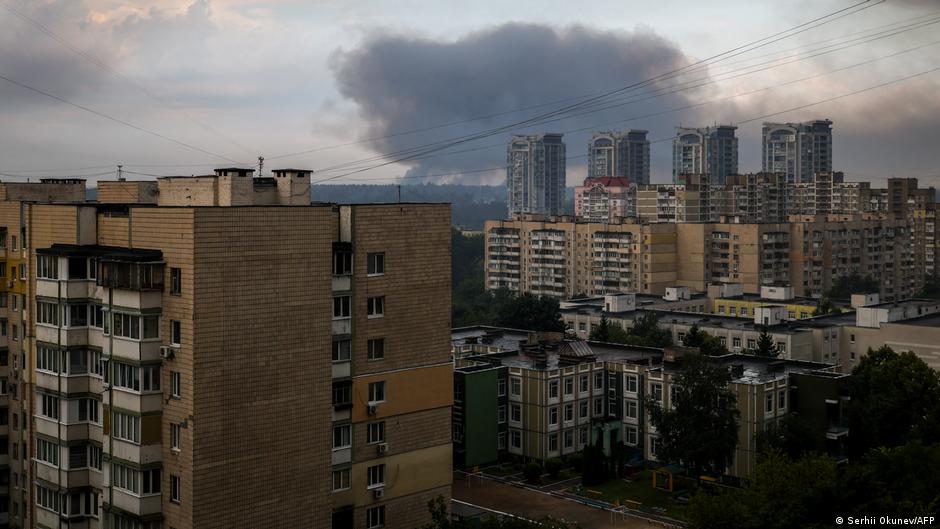
In the early hours of August 20, Russian forces launched a ballistic missile strike against Kyiv, the capital of Ukraine, resulting in at least five fatalities and numerous injuries. The attack also caused significant damage to residential buildings and critical healthcare infrastructure, including a children's hospital.
Impact on Civilian Infrastructure and Urban Stability
The Kyiv City Military Administration reported that the missile strike led to the deaths of no fewer than five individuals, with 23 more injured. Among the injured, 14 were hospitalized, while others received medical attention on-site or at outpatient facilities. The former mayor of Kyiv, Vitaliy Klitschko, initially reported three deaths and 20 injuries, signaling the evolving severity of the incident.
Explosive debris fell near a five-story residential building in the Solomianskyi district, shattering windows and igniting a fire. Additionally, a nine-story residential building suffered extensive damage, with its upper floors largely destroyed. These targeted strikes on densely populated urban areas underscore the continued risks faced by civilian populations in conflict zones.
Compounding the humanitarian impact, a children's hospital within the same district sustained damage, with vehicles on its grounds catching fire. Fires also broke out in non-residential buildings across the Darnytskyi and Sviatoshynskyi districts. Reports from Ukrainian Telegram channels indicate that military supply depots in Brovary, located in the Kyiv region, were also targeted.
"The missile strike on vital civilian and healthcare infrastructure not only causes tragic loss of life but also disrupts essential services, amplifying the conflict's human toll," noted an urban security analyst.
This latest missile strike comes amid ongoing regional hostilities that continue to destabilize Ukraine's capital and surrounding areas, raising concerns about prolonged socio-economic disruptions.
Broader Economic and Policy Implications
From a macroeconomic perspective, the missile attack on Kyiv highlights the vulnerability of urban infrastructure in conflict zones and the consequent implications for national and regional economic stability. The destruction of housing and healthcare facilities exacerbates humanitarian crises, potentially increasing public expenditure for reconstruction and social support.
Moreover, the targeting of supply depots suggests a strategic attempt to undermine military logistics, which can elongate conflict duration and deepen economic uncertainty. For global policymakers and senior economic decision-makers, these events underscore the necessity for robust contingency planning, international aid coordination, and investment in urban resilience to mitigate long-term economic consequences.
As the conflict persists, the economic ramifications extend beyond Ukraine’s borders, influencing energy markets, global supply chains, and geopolitical alignments. The damage to critical infrastructure in Kyiv serves as a stark reminder of how warfare can destabilize key urban centers, with ripple effects on international economic frameworks.