Russian Airstrikes on Kramatorsk Highlight Persistent Conflict Risks and Economic Uncertainty
Recent Russian aerial attacks on Kramatorsk resulted in casualties and infrastructure damage, underscoring ongoing regional instability with broader economic implications.
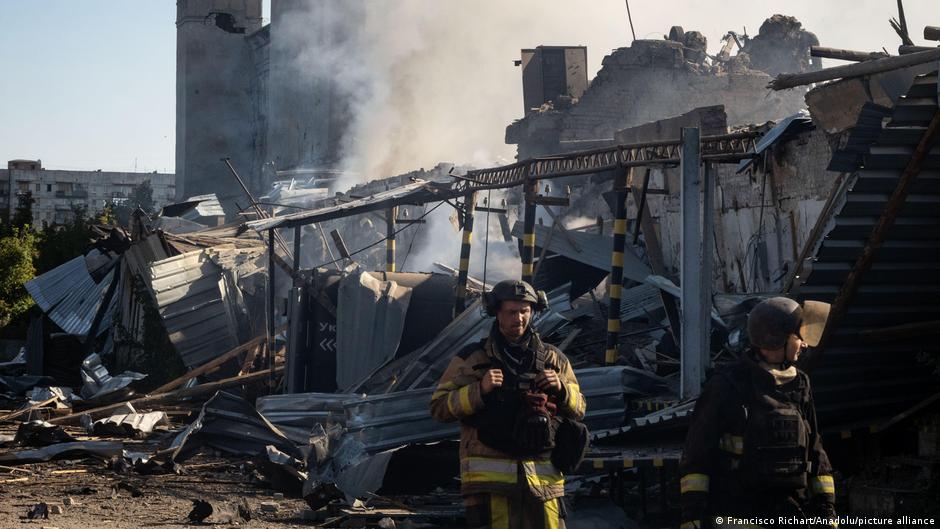
On the evening of August 13, Russian armed forces launched a series of airstrikes targeting the city of Kramatorsk and the nearby settlement of Bilenke in Ukraine's Donetsk region. Preliminary reports indicate the use of aerial bombs, resulting in at least one confirmed fatality and 15 injuries.
Vadym Filashkin, head of the regional military administration, reported that between 20:30 and 20:56 local time, eight separate strikes hit these areas. The attacks caused damage to residential buildings, including the partial collapse of a nine-story apartment block and subsequent fires, raising concerns about additional casualties trapped under rubble.
Implications for Regional Stability and Economic Outlook
Kramatorsk, situated near the active front line, has been subjected to recurrent bombardments, demonstrating the persistent volatility of the conflict zone. Recent attacks—such as the four aerial bombs dropped on July 31 that caused one death and 11 injuries, and additional strikes earlier in the same week—highlight ongoing risks to civilian infrastructure and population safety.
"The sustained attacks on civilian areas in Kramatorsk emphasize the fragility of regional security and the enduring human and economic costs of the conflict," said a regional analyst.
The repeated destruction of residential buildings and critical infrastructure not only exacerbates humanitarian concerns but also undermines economic recovery prospects for eastern Ukraine. Damage to housing stock and public services compounds the challenges of displacement, labor market disruptions, and investor confidence.
From a macroeconomic perspective, the continuation of hostilities in Donetsk and broader eastern Ukraine is likely to perpetuate uncertainty in regional markets and complicate policy responses aimed at stabilization and reconstruction. Economic actors, including multinational enterprises and government bodies, must anticipate protracted instability that may influence commodity supply chains, energy transit routes, and cross-border trade.
Moreover, the human toll and infrastructure damage increase the fiscal burden on both Ukrainian authorities and international aid providers, potentially diverting resources from broader economic reforms and growth initiatives. The resilience of local economies under sustained conflict conditions remains a critical factor for long-term regional and global economic dynamics.