Ukraine Reports Strike on Russian Navy Vessels and Infrastructure in Novorossiysk
Ukrainian forces claim damage to four Russian warships and key logistical hubs in Novorossiysk, signaling significant escalation with broad economic ramifications.
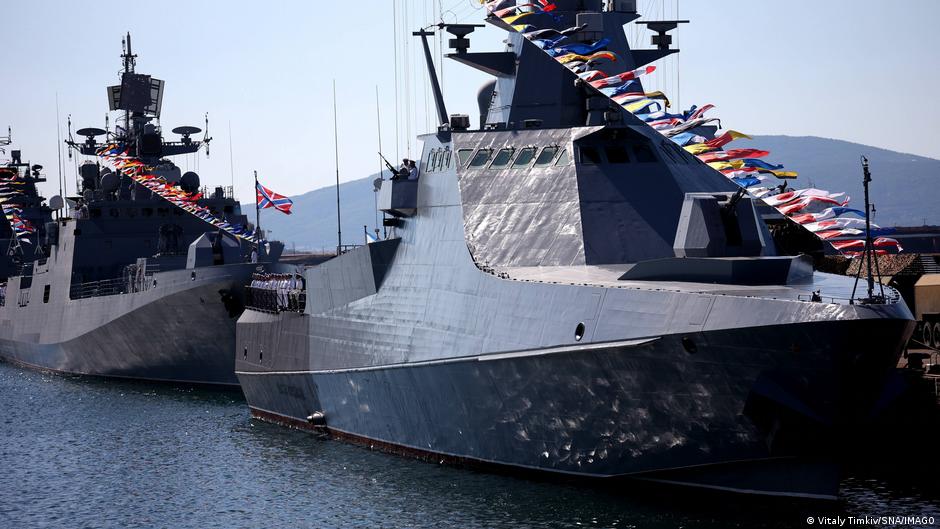
On August 12, the Ukrainian General Staff and Security Service announced a targeted strike against Russian naval assets and critical infrastructure in the strategic Black Sea port of Novorossiysk. According to Ukrainian military sources, four Russian Navy vessels sustained varying degrees of damage, including two frigates equipped with Kalibr cruise missiles, which Moscow uses to conduct strikes on Ukrainian territory.
Details of the Maritime and Infrastructure Attack
The affected vessels reportedly include the frigates Admiral Essen and Admiral Makarov, the small missile ship Buyan-M, and the patrol vessel Vasily Bykov. The two frigates are of particular concern due to their role as launch platforms for Kalibr missiles, a key element of Russia’s long-range strike capability.
The Security Service of Ukraine (SBU) further reported the strike hit several other targets in Novorossiysk, including a radar station integral to the S-300 missile air defense system, the Grushevaya oil depot, a mobile firing group, and infrastructure across three berths at the port. Ukrainian forces utilized a combination of unmanned aerial vehicles (UAVs), including the Palyanitsa rocket drones, Neptune anti-ship missiles, and maritime strike platforms to execute the operation.
“Ukrainian drones, rockets, and naval strike systems accurately engaged the designated targets, significantly disrupting Russian naval and logistical capabilities in the Black Sea,” stated the SBU.
Notably, there was no confirmation regarding damage to the Buyan-M vessel in the SBU statement, highlighting some ambiguity in the overall assessment. Independent reports by Reuters and Russian business newspaper Vedomosti confirmed that the attack led to the shutdown of the Novorossiysk grain terminal and the Novorossiysk Bread Products Combine (PAO NKHP), both critical nodes in the regional export infrastructure, especially for grain shipments.
Human and Regional Impacts
Veniamin Kondratyev, Governor of Russia’s Krasnodar Krai, reported three fatalities and 24 injuries resulting from the night attack. Approximately 60 residential buildings in Novorossiysk were damaged, with debris from drones also impacting residential areas in the neighboring cities of Gelendzhik, Anapa, and the Temryuk district. Local authorities indicated that hundreds of drones were launched during the operation, underscoring the scale and intensity of the assault.
The Grushevaya oil depot, targeted during the strike and previously attacked on June 8, is a critical terminal connected via pipeline to the Sheskharis marine terminal where oil shipments are loaded onto tankers. This complex serves as the terminus for Transneft’s main pipeline network in the Krasnodar region, making it a vital component of Russia’s energy export infrastructure.
Broader Economic and Strategic Implications
The reported damage to Russian naval assets and key export facilities in Novorossiysk carries significant macroeconomic and geopolitical ramifications. Novorossiysk is one of Russia’s largest Black Sea ports and a major hub for grain and energy exports, commodities that play a crucial role in global markets.
Disruption to grain export terminals contributes to ongoing global food security concerns, particularly as Ukraine and Russia are two of the world’s largest grain suppliers. Interruptions in Russian exports could alter commodity flows and prices, potentially exacerbating inflationary pressures in grain-importing countries.
Energy infrastructure damage in a strategically important region further complicates Russia’s ability to maintain steady hydrocarbon exports amid Western sanctions and logistical challenges. The strike signals an intensification of Ukraine’s targeting strategy, aiming not only at military assets but also at economic chokepoints that sustain the Russian war effort.
For global policymakers and economic decision-makers, these developments underscore the increasing interconnection between military conflict and international economic stability. The evolving situation necessitates close monitoring of commodity markets, supply chain vulnerabilities, and geopolitical risk assessments related to Black Sea trade routes.