Latvia Publishes List of Companies Trading with Russia Amid War, Signaling Policy Shift
Latvia reveals names of 170 firms continuing business with Russia and Belarus, reflecting evolving economic sanctions and transparency measures.
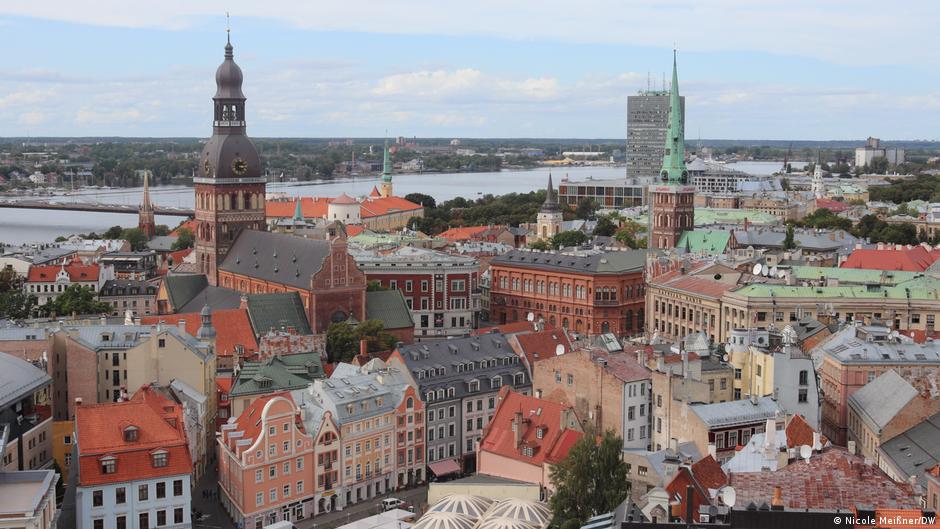
In a notable policy development, Latvia has publicly disclosed for the first time a list of 170 domestic companies that continue to trade with Russia and Belarus despite the ongoing conflict in Ukraine. This unprecedented move signals a shift toward greater transparency and attempts to influence private sector behavior amid prolonged geopolitical tensions.
Transparency and Economic Implications
The Central Statistical Bureau of Latvia on August 20 published the register identifying Latvian firms engaged in exporting goods to or importing products from Russia and Belarus. While none of these companies are reported to be violating international sanctions—since trade in sectors such as foodstuffs and pharmaceuticals remains permitted—the list exposes the continued economic links between Latvia and these two countries.
"This public disclosure empowers consumers, business partners, and other stakeholders to make informed decisions about continuing cooperation with companies trading with Russia and Belarus."
This transparency initiative stems from amendments made in June to Latvia’s law on supporting Ukrainian civil society, allowing for public access to such information. Latvian media outlets have labeled the publication a "list of shame," reflecting domestic sensitivity to economic ties perceived as counter to the national and international stance on Russia's military aggression.
Broader Policy and Economic Context
Latvia has positioned itself as a close ally of Kyiv, implementing a suite of import restrictions on Russian and Belarusian goods since the full-scale invasion began. Many Latvian companies have voluntarily curtailed or ceased trade with these nations in alignment with the government’s sanctions regime and geopolitical posture.
The monthly updating of this registry aims to maintain pressure on companies to reconsider their commercial ties and underscores the government’s commitment to transparency and accountability in economic relations. This move may alter the calculus of firms weighing the benefits of continued trade against reputational and regulatory risks.
From a macroeconomic perspective, Latvia’s approach reflects the complex balancing act faced by smaller economies intertwined with larger regional players. It highlights how governments are increasingly leveraging information disclosure as a tool to enforce foreign policy objectives without expanding sanctions’ legal scope.
Internationally, such transparency measures might encourage similar initiatives in other countries, contributing to a more fragmented and scrutinized global trade environment. The implications for supply chains, investment flows, and long-term economic integration with Russia and Belarus remain uncertain as geopolitical fault lines deepen.
Ultimately, Latvia’s publication of this list offers senior decision-makers insight into the evolving intersection of economic policy, corporate behavior, and geopolitical strategy in Europe’s eastern flank.