EU Commits Continued Support for Ukraine Amid Ongoing Conflict and Future Integration Prospects
European Council President Antonio Costa pledges sustained aid and intensified sanctions on Russia, emphasizing Ukraine’s EU membership as key to long-term regional stability.
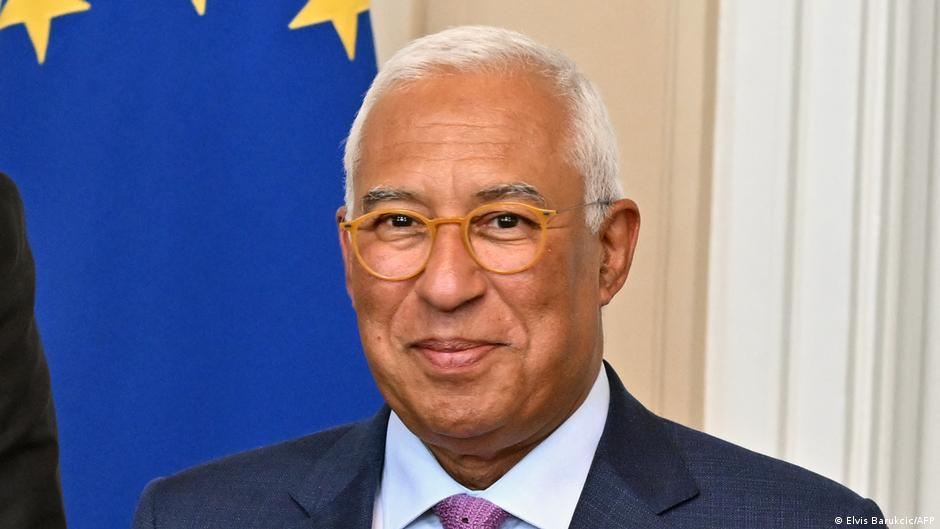
On Ukraine's Independence Day, the European Union reaffirmed its commitment to supporting Kyiv amid the ongoing conflict with Russia, signaling a long-term vision that extends beyond the current war.
EU’s Strategic Vision for Ukraine and Regional Security
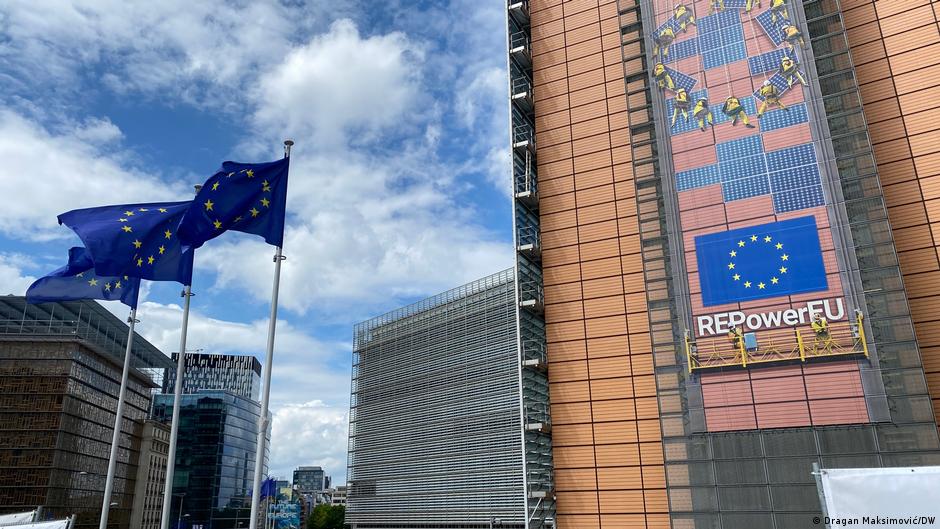
European Council President Antonio Costa underscored that "the future of Ukraine as part of the European Union is the best guarantee of security and long-term democratic stability—for Ukraine and Europe as a whole." This declaration marks a clear stance by the EU, linking Ukraine’s integration to broader geopolitical and economic stability in the region.
"We will continue to provide as much support as necessary, for as long as it takes—during the war, throughout peace negotiations, and in the rebuilding process," Costa emphasized.
The EU's approach reflects a multidimensional policy framework: maintaining pressure on Russia through sanctions while preparing for Ukraine’s eventual post-conflict recovery and deeper integration into European structures. Costa articulated the EU’s readiness to intensify sanctions until Russia ceases its military aggression and engages sincerely in peace talks.
"We will escalate sanctions pressure until Russia stops the killings, shows genuine commitment to peace, and moves from the battlefield to the negotiating table," Costa stated, reinforcing the EU's strategic use of economic measures as leverage in conflict resolution.
Implications for Global Economic and Political Dynamics
The EU's sustained support and sanctions strategy have significant macroeconomic implications. Prolonged sanctions on Russia affect global energy markets, supply chains, and geopolitical alliances, necessitating adaptive strategies by businesses and governments worldwide.
Furthermore, the EU’s commitment to Ukraine’s future membership signals potential shifts in regional trade patterns and investment flows. Integration into the EU market could accelerate Ukraine’s economic modernization, fostering opportunities for foreign direct investment and infrastructural development.
However, the path to integration poses challenges, including the need for comprehensive reforms in Ukraine’s governance and economy, and the management of complex relations with Russia and other neighboring states.
High-Level International Engagement
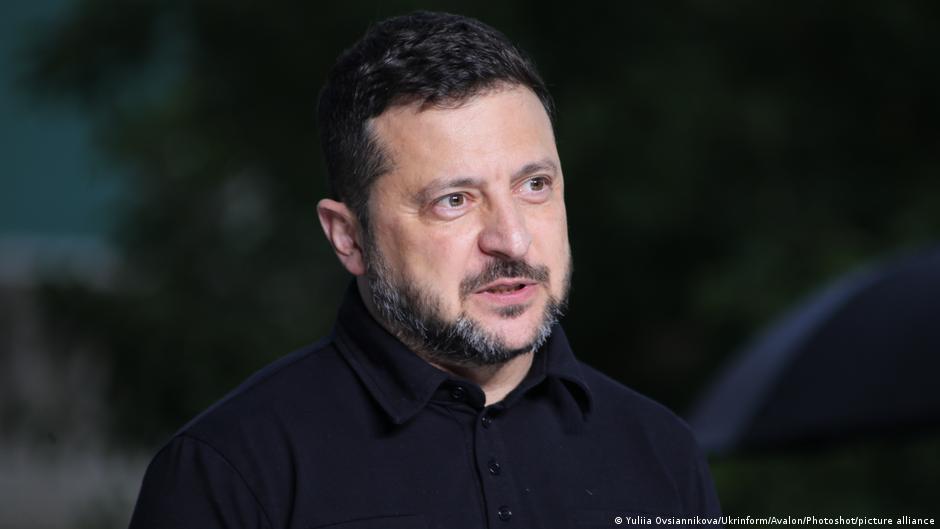
The importance of Ukraine’s Independence Day was underscored by the scheduled presence of several world leaders in Kyiv. Among them is UK Prime Minister Andy Burnham, making his first foreign visit since assuming office. Burnham is set to co-chair the "Coalition of the Willing" meeting in Kyiv and hold discussions with Ukrainian President Volodymyr Zelensky.
Other participants include German Chancellor Friedrich Merz and French President Emmanuel Macron, alongside Costa and leaders from Northern European and Baltic countries. Attendance will be a mix of in-person and virtual formats, reflecting ongoing pandemic considerations and diplomatic logistics.
This gathering highlights the international community's concerted efforts to coordinate political, economic, and security support for Ukraine, signaling a unified front amid the conflict and its aftermath.
Looking Ahead
The EU’s stance represents a significant policy shift emphasizing long-term strategic investment in Ukraine’s stability and democratic development. For senior decision-makers, this signals the need to anticipate evolving economic conditions shaped by sustained sanctions, reconstruction efforts, and the integration of new markets into the European Union.
As the conflict persists, the EU's approach underscores an intertwined security and economic agenda with global repercussions, demanding agile policy responses and international collaboration.