Lukoil Refinery Capacity Halved After Ukrainian Drone Attacks, Impacting Russian Oil Processing
Ukraine’s recent drone strikes have forced major Russian refineries, including Lukoil’s NORSI plant, to halt or reduce operations significantly.
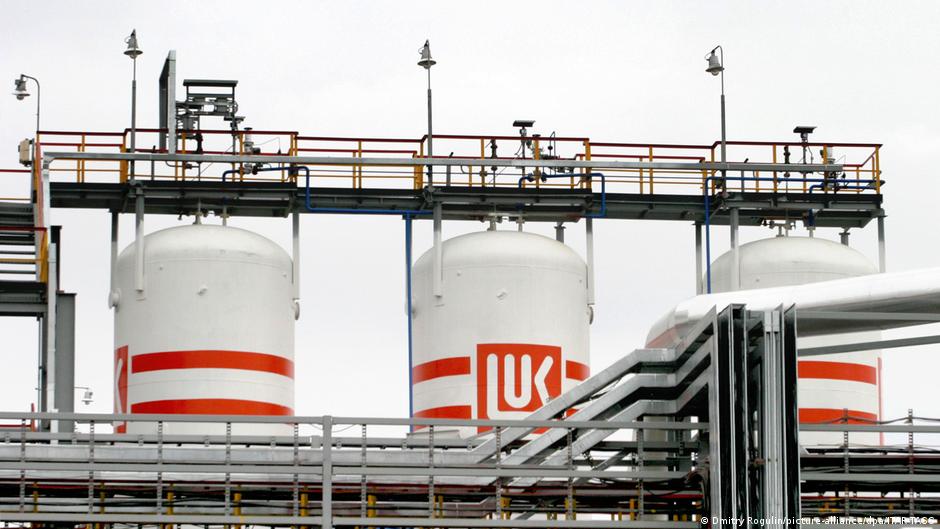
Ukraine’s strategic drone attacks in May have severely disrupted Russia’s oil refining sector, with one of the country’s largest refineries, Lukoil’s Nizhniy Novgorod refinery (NORSI), halting over half of its capacity. This marks a significant blow to Russia’s energy infrastructure amid rising geopolitical tensions and has broader implications for global energy markets and economic policies.
Operational Impact on Russia’s Oil Refining Capacity
The Nizhniy Novgorod-based NORSI refinery, ranked as the fourth largest in Russia and the country’s second biggest gasoline producer, suspended its primary oil processing unit, AVT-6, following drone strikes on the night of May 20. This shutdown accounts for 53% of the refinery's capacity, approximately 25,700 tons per day. Prior to the attack, the refinery processed around 16 million tons of oil annually, or about 320,000 barrels per day.
Oil industry sources told Reuters that the drone strikes are part of a coordinated campaign targeting key refineries across central Russia. Multiple refineries have either halted or reduced fuel production in recent weeks, with combined impacted refining capacity exceeding 83 million tons per year—a quarter of Russia's total refining output. This disruption includes over 30% of gasoline and around 25% of diesel fuel production nationwide.
The NORSI refinery had previously been targeted in early April, marking the second forced suspension within two months. While local authorities declined to confirm fires or damages initially reported via media and open-source intelligence channels, industry insiders confirm the significant operational setbacks.
"The suspension of critical primary processing units at major refineries like NORSI signals a new phase of vulnerability in Russia’s energy infrastructure," said an industry analyst familiar with the situation.
Broader Economic and Geopolitical Consequences
The scale of refinery shutdowns in central Russia not only reduces domestic fuel supply but also impacts Russia's export capabilities, potentially tightening global energy markets. Given Russia’s pivotal role as a major oil and refined product exporter, disruptions at this scale may influence global fuel prices and prompt shifts in energy trade flows. Policymakers worldwide must account for these developments as they reassess energy security and diversification strategies.
Domestically, the refinery outages could exacerbate inflationary pressures in Russia by constraining fuel availability, affecting transportation and industrial sectors, thereby challenging the government's economic management amid ongoing sanctions and conflict-related uncertainties.
In response, Russia’s Ministry of Energy has remained silent on the attacks and their impact, adding opacity to the situation. However, continued assaults on critical infrastructure may force strategic recalibrations, including increased defense spending for industrial assets and accelerated investments in alternative energy or refining technologies.
From a macroeconomic perspective, these attacks highlight the vulnerability of centralized industrial hubs to geopolitical conflict and underscore the interconnectedness of energy infrastructure security and economic stability. Global decision-makers should monitor such disruptions closely, as they carry implications for energy policy, market dynamics, and international security frameworks.
As the conflict persists, the resilience and recovery of Russian refining capacity will be a key variable shaping energy markets and economic outcomes both regionally and globally.