NATO Intelligence Reveals Russia's Underwater Nuclear Missile Deployment Program
NATO suspects Russia of developing seabed-launched ballistic missiles capable of carrying nuclear warheads, signaling potential shifts in strategic deterrence.
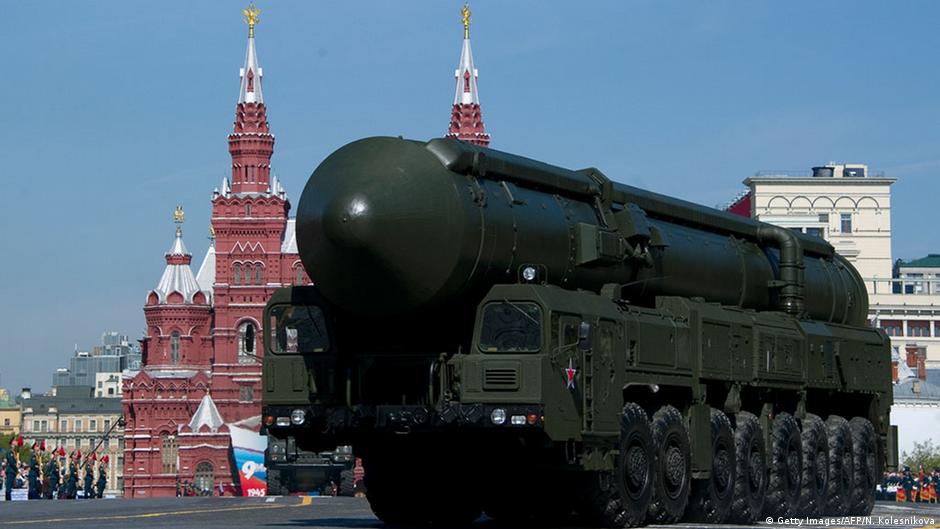
NATO intelligence has uncovered activities by the Russian Northern Fleet that suggest attempts to deploy ballistic missiles equipped with nuclear warheads on the seabed, according to investigative reports by German broadcasters ARD, WDR, and NDR.
These developments are linked to a classified Russian military initiative codenamed "Skif," involving the deployment of modified ballistic missiles on the ocean floor to enhance strategic deterrence. The program has been under scrutiny for several months with investigators analyzing satellite imagery, Russian scientific databases, historical documents, and consulting military experts.
Strategic and Economic Implications of Seabed-Launched Missiles
According to NATO sources cited in the investigations, Russia may have been developing a method for positioning ballistic missiles underwater for several years, a tactic previously unknown. This approach would render missile launch sites almost impossible to detect or neutralize, significantly altering the strategic calculus of nuclear deterrence.
"Deploying missiles on the seabed could allow Russia to maintain nuclear deterrence while reducing reliance on expensive submarine platforms," noted Helge Adrians, an expert from the Berlin-based Science and Politics Foundation (SWP).
The missile system reportedly involves a modified version of the "Sineva" missile, currently deployed on Russian submarines, adapted for seabed launch from specially constructed silos or containers situated hundreds of meters below the surface. These missiles are said to have a range of several thousand kilometers and have undergone initial tests several years ago.
Western intelligence suggests that logistical support for installing these missile silos includes the use of the vessel "Zvezdochka" and the submarine "Sarov," both stationed in Severodvinsk near the White Sea.
Technological challenges remain significant in this underwater deployment strategy, including dealing with ocean currents, sediment accumulation in missile shafts, power supply, and secure data transmission to enable remote launches. However, successful implementation could represent a cost-effective alternative to maintaining a large nuclear submarine fleet.
From an international law perspective, the 1971 Seabed Arms Control Treaty, signed by over 80 countries including the US and the USSR, prohibits placing nuclear weapons on the seabed in international waters but does not explicitly ban their placement within a nation's territorial waters. This legal nuance may inform Russia's approach to the project.
The program's strategic implications extend beyond technical innovation. If verified, such capabilities could shift global nuclear deterrence dynamics by complicating adversaries’ detection and response strategies, potentially prompting adjustments in NATO and US nuclear posture and maritime surveillance policies.
Neither NATO nor the Russian Ministry of Defense has commented on the "Skif" project. The Russian Embassy in Berlin stated it has no information regarding the matter.
In 2017, former Commander of the Russian Aerospace Forces Viktor Bondarev publicly acknowledged the inclusion of seabed-launched "Skif" missiles in Russia's military arsenal, signaling that the program is not merely conceptual but operational.
For policymakers and economic strategists, the development of such underwater nuclear missile platforms represents a critical factor in understanding Russia's long-term defense expenditures, strategic deterrence priorities, and implications for regional and global security frameworks.