US Charges Former Cuban Leader Raul Castro with 1996 Killings, Signaling Shift in Policy
The indictment of Raul Castro marks a symbolic escalation in US-Cuba tensions with implications for regional stability and economic sanctions.
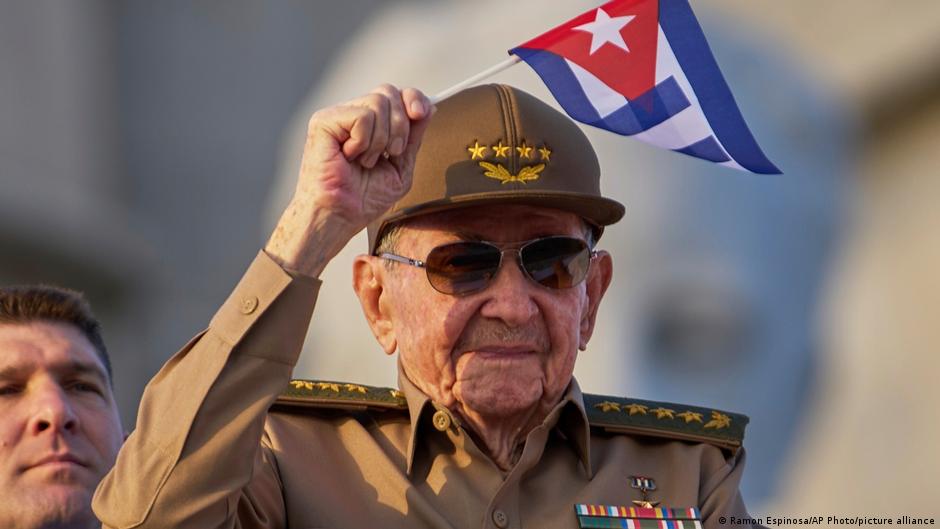
The US Department of Justice has formally charged former Cuban leader Raul Castro with conspiracy to commit murder related to the 1996 downing of two aircraft operated by Cuban exile group Brothers to the Rescue. The planes, which were aiding refugees fleeing Cuba by sea, were shot down by Cuban fighters, resulting in the deaths of four US citizens.
Raul Castro, who was Cuba’s Minister of Defense at the time, faces accusations stemming from this incident that exacerbated tensions between the US and Cuba. The Justice Department alleges that the Cuban government orchestrated the attacks on US citizens over 30 years ago. The indictment was announced by Acting US Attorney General Todd Blanche on May 20 in Miami.
Geopolitical Implications and Policy Shifts
This legal move represents a significant symbolic development amid already heightened tensions following recent US measures against Cuba. The US has intensified sanctions and imposed an energy blockade on the island nation after the ousting of Venezuelan President Nicolas Maduro, a key regional ally of Cuba. These actions reflect a broader US strategy to exert control over the Caribbean region.
Castro’s indictment implicitly challenges the historical détente achieved during the Obama administration, which notably saw a rapprochement with Cuba in 2015. This period of thaw was reversed under the Trump administration, which has taken a harder line on the island. The charges against Castro, now 94 years old, signal a potential hardening of US policy that could affect future diplomatic and economic relations.
"My message is clear," said Acting Attorney General Blanche. "The United States and President Trump will not forget their citizens."
The US government has made clear that if Raul Castro does not appear voluntarily in the United States, they intend to forcibly bring him to trial. This stance underscores the US commitment to holding foreign leaders accountable for actions against its citizens, a move that may further strain US-Cuba relations.
Meanwhile, US Secretary of State Marco Rubio, the son of Cuban exiles, addressed the Cuban people in a video urging them to reject the socialist government and embrace a new path proposed by the Trump administration. Rubio criticized Cuba’s ruling elite for exploiting the population and suppressing dissent, framing the indictment as part of a broader US effort to reshape the island’s political landscape.
Raul Castro, brother of revolutionary leader Fidel Castro, played a pivotal role in Cuba’s governance for decades and was instrumental in the brief US-Cuba thaw. His recent public appearances indicate he remains in Cuba, and there is no indication the Cuban government will extradite him.
Long-Term Economic Consequences for Cuba and the Region
The indictment and renewed US pressure come at a time when Cuba’s economy is already under significant strain due to sanctions and the energy blockade. The geopolitical rivalry with the US risks further destabilizing the island’s fragile economy, potentially leading to increased migration pressures and regional economic disturbances.
For senior economic decision-makers, this development highlights the importance of monitoring US-Cuba relations as they may impact trade flows, regional investment, and geopolitical risk assessments. The US move also reflects broader shifts in US foreign policy prioritizing accountability and strategic control in the Western Hemisphere, with potential ripple effects for Latin America’s economic and political stability.