Russia Suspends Azov-Don Canal Shipping After Drone Attacks Amid Grain Export Disruptions
Closure of key maritime route connecting Don River with Azov Sea signals heightened regional tensions and risks to global grain supply chains.
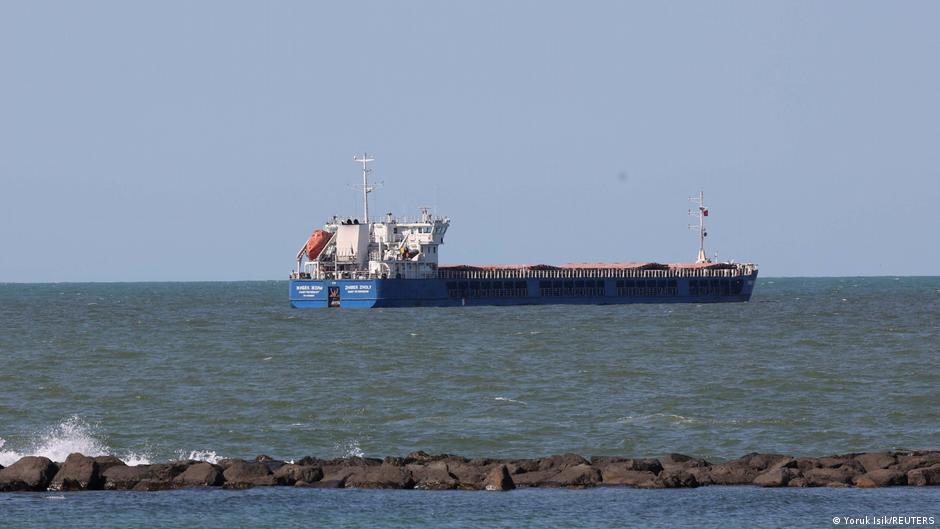
Russia has indefinitely suspended vessel passage through the Azov-Don Canal following a series of drone attacks on ships in the Sea of Azov, sources familiar with grain exports reported to Reuters. The move marks a significant escalation in regional maritime security tensions and poses challenges to global grain logistics.
The Russian Border Service, which operates under the Federal Security Service (FSB), informed shipping companies that the canal linking the Don River and the Azov Sea is closed for an unspecified period. The agency has also halted ship transit through the Kerch Strait, which connects the Black Sea and the Azov Sea. Official reasons for these restrictions have not been disclosed by Russian authorities, and neither the Agriculture nor Transport Ministries responded to media inquiries.
Strategic Maritime Disruptions Impacting Grain Exports
Earlier in July, the Ukrainian Armed Forces reported successful drone strikes on at least 25 vessels in the Sea of Azov. Most targeted ships were oil tankers and dry bulk carriers. Ukrainian drone forces commander Robert "Madyar" Brovdi indicated that some vessels were attacked multiple times. The struck tankers were identified as part of Russia's "shadow fleet," subject to international sanctions related to Russia's full-scale invasion of Ukraine.
"The attacks have forced Russia to curtail maritime traffic through crucial sea lanes, thereby complicating grain export logistics from key agricultural regions," analysts noted.
While Russian authorities have not officially commented on the surge in maritime attacks, regional officials confirmed damage to vessels. Yuri Slyusar, governor of Russia's Rostov region, reported that four tankers in Taganrog Bay sustained minor damage from drone strikes. This region, along with Krasnodar Krai, borders the Azov Sea and is among Russia's leading grain-producing areas.
The Azov-Black Sea basin serves as an essential transit corridor for Russian grain exports. With the canal and Kerch Strait closures, Russia’s ability to transport grain via these maritime routes faces immediate disruption. This has led to a spike in wheat futures on the Euronext exchange, with prices rising by over 4% within 24 hours to reach a six-week high on July 10.
These developments underscore the fragility of grain supply chains amid geopolitical tensions. The maritime restrictions raise concerns about longer-term implications for global food security, especially as Russia is a significant global grain exporter.
Macro-Economic and Policy Implications
The suspension of vessel traffic through the Azov-Don Canal could prompt shifts in regional trade patterns and grain export logistics. Alternative routes may be limited or more costly, adding inflationary pressures to global commodity markets. The geopolitical risk premium on agricultural commodities is likely to increase as conflict dynamics impede the smooth functioning of key transit corridors.
Policy makers should monitor the evolving situation closely, as prolonged disruptions could exacerbate global grain supply volatility, impacting food prices and economic stability in dependent countries. Diplomatic and security responses will be critical to mitigating cascading effects on the global agri-food sector.
In the broader strategic context, these maritime security incidents exemplify how hybrid warfare tactics—such as drone strikes on commercial shipping—can disrupt critical infrastructure and supply chains, complicating economic resilience and international trade security.