EU and Mercosur Initiate Free Trade Zone Amid Economic and Environmental Debates
The EU-Mercosur trade agreement begins provisional application, promising market expansion and industrial growth alongside regulatory challenges.

The European Union and the South American Mercosur bloc, comprising Brazil, Argentina, Uruguay, and Paraguay, have initiated a provisional free trade zone starting May 1. This landmark agreement, after more than 25 years of negotiations, aims to boost trade flows by progressively eliminating tariffs and barriers.
Economic Impacts and Industry Outlook
The agreement is expected to create a common market encompassing approximately 720 million people and significantly reduce customs duties worth billions of euros. In Germany, industry leaders view this development as a catalyst for growth in key sectors such as automotive manufacturing, mechanical engineering, and pharmaceuticals.
"Trade with South America has so far accounted for only about 1% of Germany's foreign trade turnover, but with this agreement, it gains substantial importance," said Volker Treier, head of foreign trade at the Federation of German Chambers of Commerce and Industry (DIHK).
A recent survey highlighted that 44% of internationally operating companies anticipate tangible benefits from the agreement, underlining its potential to reshape trade dynamics.
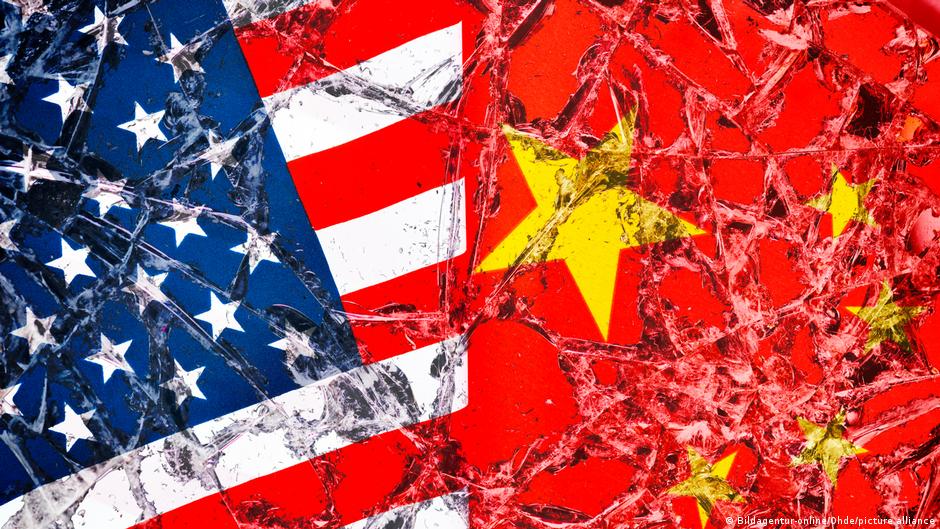
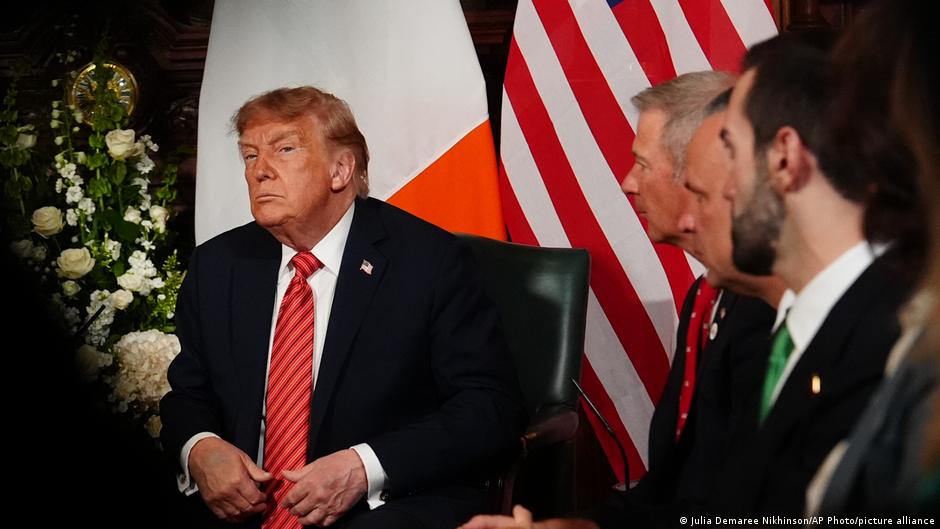
Moreover, the agreement is perceived as a strategic counterbalance to the protectionist trade policies previously advocated by the United States, signaling a shift towards more open global trade frameworks.
Legal and Political Challenges Ahead
While the trade pact has entered into provisional application, full implementation hinges on approval from the European Parliament. Some members have raised concerns about the agreement's compatibility with EU law, given its broad scope that extends beyond trade to include investment and environmental standards.
Several MEPs argue that comprehensive ratification requires additional consent from national parliaments within the EU. Consequently, the Parliament has referred the agreement to the Court of Justice of the European Union in Luxembourg for a legal review, a process expected to take several months.
Despite these hurdles, the European Commission, empowered by the European Council following ratification by Uruguay and Argentina in January 2026, has opted not to delay the activation of free trade mechanisms embedded in the deal.
Environmental and Agricultural Concerns
Opposition within the EU is notably strong from France and Austria, where fears persist that the agreement might undermine the bloc’s stringent environmental regulations and negatively impact European agriculture by exposing it to competition from cheaper South American products.
Environmental organizations have voiced warnings about potential increases in deforestation in the Amazon rainforest as a result of expanded agricultural exports, adding a critical ecological dimension to the trade debate.
As the EU balances economic opportunity against regulatory and environmental responsibilities, the Mercosur agreement emerges as a complex case study of globalization’s evolving challenges and prospects.