Italy and Germany Urge Adherence to International Law after Israel Halts Gaza Aid Flotilla
Italy and Germany call for strict compliance with international law amid Israel’s interception of a humanitarian flotilla bound for Gaza.
Italy and Germany have expressed serious concern over Israel’s recent interception of a humanitarian aid flotilla headed to the Gaza Strip, emphasizing the need for strict adherence to international law and responsible conduct. The coordinated statement from the two European countries highlights the broader implications of such actions on international humanitarian efforts and regional stability.
International Legal Framework and Humanitarian Concerns
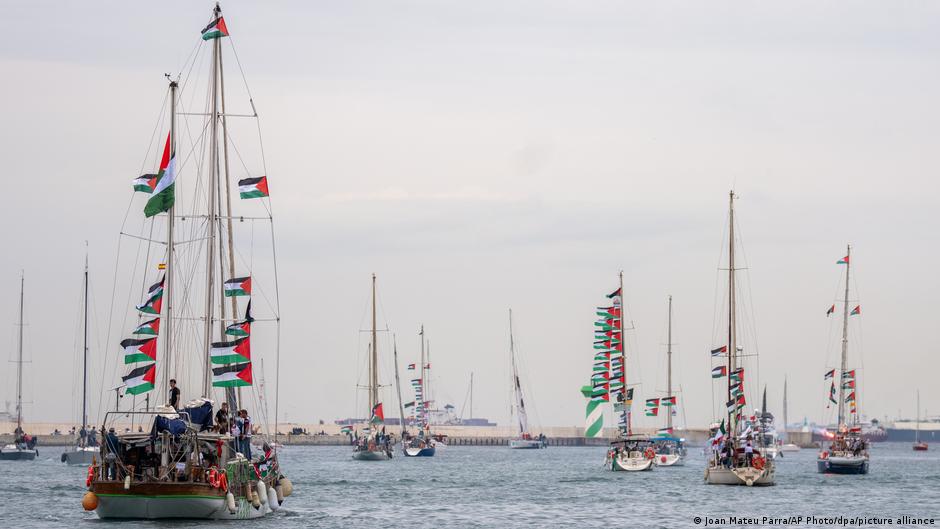
On the night of April 30, Israeli naval forces stopped more than 20 vessels of the Global Sumud Flotilla in international waters near the Greek island of Crete, detaining dozens of activists. Some ships later resumed their journey along Greece’s territorial waters. Italy and Germany’s joint statement underscores their commitment to supporting humanitarian aid delivery to Gaza in line with international legal standards.
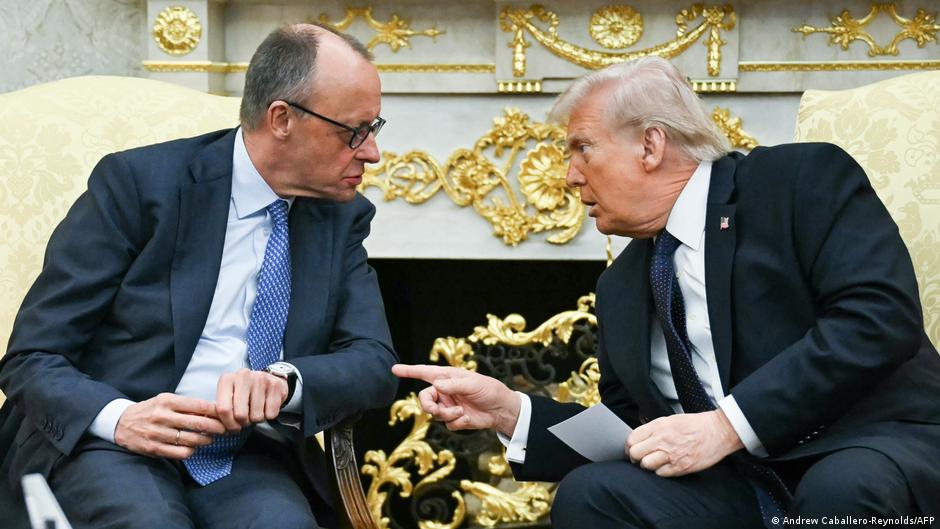
"We call for the unequivocal observance of existing international law and a rejection of irresponsible actions," the joint declaration from Rome and Berlin states.
The flotilla, which set sail from a Sicilian port on April 26, was the largest attempt to date by pro-Palestinian activists to challenge the Israeli naval blockade imposed on Gaza since 2007. Egypt also supports this blockade. The stated goal of the Global Sumud Flotilla goes beyond delivering aid; it seeks to establish a permanent humanitarian corridor into the embattled territory.
These developments occur within a complex geopolitical context. In October 2025, Israel and Hamas agreed to a ceasefire brokered under a peace plan developed by the U.S. administration during President Donald Trump’s tenure. The United States, Turkey, Qatar, and Egypt act as guarantors for the agreement’s implementation. As part of the initial ceasefire phase, Hamas released the remaining Israeli hostages in exchange for the freedom of Palestinian prisoners.
Following this, the White House announced in mid-January the commencement of the second phase of the Trump plan, which involves transferring governance of Gaza to a National Committee until the Palestinian National Authority is prepared to assume control. This political framework aims to stabilize the region but remains fragile amidst ongoing humanitarian challenges and restricted access.
Macro-Economic and Policy Implications
The situation around Gaza has significant implications for global economic stability and policy formulation. The interruption of humanitarian aid not only exacerbates the humanitarian crisis but also complicates diplomatic efforts aimed at achieving long-term peace and stability in the region. European countries’ insistence on adhering to international law reflects concerns about maintaining the integrity of global trade routes and maritime security, which are vital for international markets.
Moreover, disruptions to aid delivery can intensify economic hardships in Gaza, affecting millions of residents and potentially destabilizing neighboring economies. The blockade and associated tensions may hinder reconstruction efforts, foreign investments, and regional economic integration initiatives. Policymakers worldwide must consider these factors when crafting strategies for conflict resolution and economic development in the Middle East.
Environmental and social activists also play a critical role in drawing international attention to the humanitarian dimension, exemplified by notable figures such as Swedish eco-activist Greta Thunberg, who participated in the flotilla in August 2025. Such involvement underscores the increasing intersection of environmental advocacy and geopolitical humanitarian issues, further complicating the international response landscape.
In conclusion, the interception of the Global Sumud Flotilla by Israeli naval forces not only raises urgent questions about the enforcement of international maritime law but also signals broader challenges for international diplomacy and economic policy. Ensuring the delivery of humanitarian aid while respecting sovereign security concerns remains a delicate balance with far-reaching global economic consequences.