Uzbekistan Halts Gold Exports for Six Months, Triggering Major Export Decline
Gold export suspension in Uzbekistan causes nearly 30% drop in total exports, reshaping trade dynamics and economic outlook.
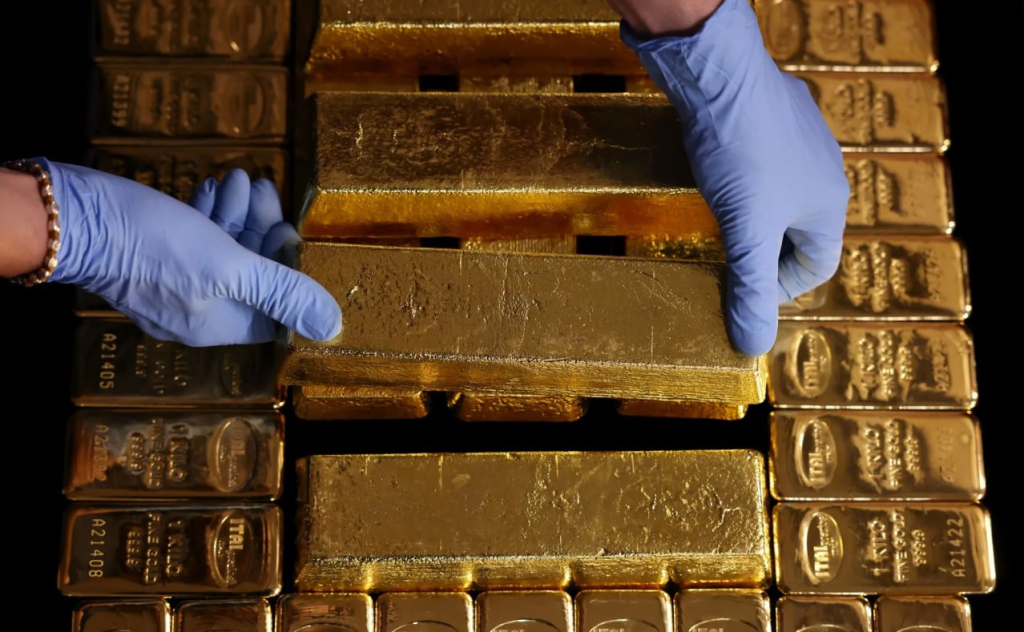
Uzbekistan has not exported gold for over six months, marking a significant shift in the country's trade profile and economic composition. This suspension has contributed to a near 30% decline in the nation's exports, the first such drop observed since 2023.
Trade Overview and Economic Implications
In the first quarter of 2026, Uzbekistan’s total foreign trade turnover reached $18 billion, reflecting a 2.7% increase compared to the same period in 2025. However, this overall growth masks a stark contrast as exports plunged by 29.3% to $5.8 billion, while imports surged by 30.8%, climbing to $12.2 billion.
The absence of gold exports, a historically important commodity, is a primary driver of this export decline. Notably, gold was last exported in September 2025, and during the first quarter of that year, gold sales had amounted to $3.6 billion. The halt in gold exports in 2026 coincides with a decrease in global gold prices—from approximately $5,300 per ounce to as low as $4,400—rendering sales less profitable.
"Maintaining high gold reserves is currently critical, as the Central Bank explains, despite the halt in gold sales to avoid adverse impacts on reserves."
The National Bank of Uzbekistan has emphasized the importance of preserving gold reserves amid this export suspension, suggesting a strategic decision to hold onto resources during a period of price volatility. This policy stance reflects a balancing act between short-term export revenue losses and long-term financial stability.
Shifting Trade Partnerships and Regional Influence
Amidst these changes, Uzbekistan’s trade relationships are evolving. China’s role as Uzbekistan’s leading trading partner is increasingly prominent, with bilateral trade amounting to $4.6 billion in the first quarter—accounting for a quarter of the country’s total foreign trade. Russia remains the second largest partner with $3.3 billion in trade, followed by Kazakhstan at $1.3 billion.
Moreover, Uzbekistan reported growth in foreign trade with its top 20 partners compared to 2025, indicating that the export decline is concentrated largely in gold-related sectors rather than a broad-based economic downturn.
Long-Term Economic Consequences and Policy Considerations
The gold export pause and resulting trade imbalances bear significant macroeconomic consequences. The steep decline in exports combined with rising imports could widen the trade deficit, potentially pressuring the national currency and fiscal stability. The country's increased dependency on imports necessitates careful policy calibration to avoid external vulnerabilities.
Strategically, Uzbekistan’s move to withhold gold sales amid unfavorable global prices could be seen as a protective measure to safeguard reserves and prepare for more advantageous market conditions. However, this approach entails short-term revenue sacrifice that could affect government budgets and investment plans.
Analysts will be closely watching Uzbekistan’s trade patterns and reserve management as indicators of broader economic resilience and policy direction. The evolving dominance of China in regional trade also underscores shifting geopolitical and economic alignments in Central Asia, which may influence Uzbekistan's strategic economic policies in the medium to long term.


