UK Expels Russian Diplomat in Retaliation Over Spy Accusations Amid Rising Tensions
London’s diplomatic response to Moscow’s expulsion of a British diplomat highlights deepening geopolitical strains and potential economic repercussions.
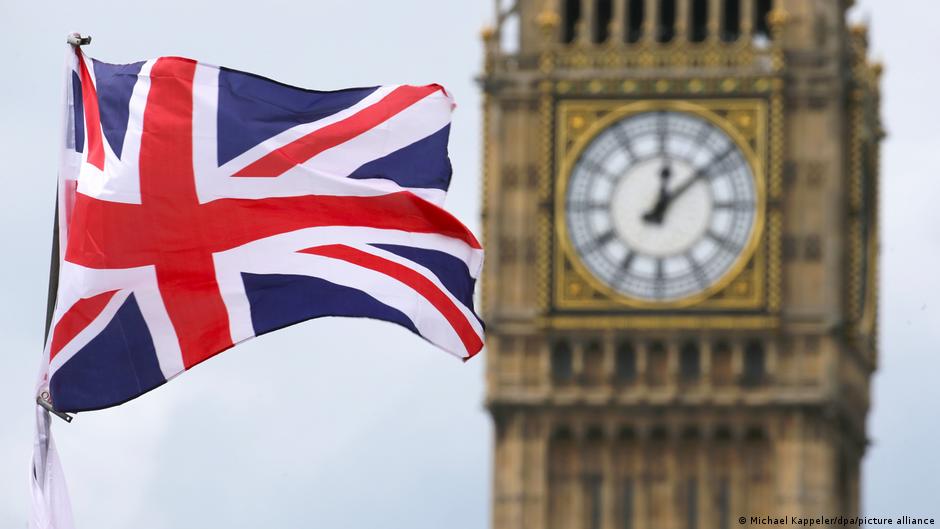
The United Kingdom’s Foreign Office has summoned the Russian Ambassador to London, Andrey Kelin, and revoked the accreditation of a Russian diplomat in a tit-for-tat response to Moscow’s recent expulsion of a British embassy staff member accused of espionage. This diplomatic tit-for-tat underscores escalating tensions between the two nations that may have broader implications for global diplomatic and economic relations.
Escalating Diplomatic Retaliations Amid Spy Allegations
On April 29, the UK government called upon Ambassador Kelin to formally announce the withdrawal of accreditation from a Russian diplomat stationed in London. This action directly responds to Moscow’s decision to expel Albertus Gerardus J. Van Rensburg, the second secretary at the British Embassy in Moscow, who was accused by Russia's Federal Security Service (FSB) of engaging in intelligence and subversive activities threatening Russian national security.
“We strongly condemn Russia’s unjustified decision to expel another British diplomat and the subsequent malicious campaign to discredit him. Such behavior is unacceptable and will not be tolerated,” a UK government representative stated.
The UK government emphasized that Russia’s repeated "unprovoked and unjustified actions" appear aimed at undermining British diplomatic efforts and constitute part of a broader pattern of aggressive conduct towards the UK. London warned that any further provocative measures by Russia would be perceived as an escalation and met with firm, proportionate responses.
Russia’s accusation against Van Rensburg, announced on March 30, alleged that the British diplomat was involved in espionage activities — a charge the UK government categorically rejected as “completely unacceptable.” The British Foreign Office stressed its commitment to protecting its diplomatic personnel from intimidation or harassment.
This episode follows a similar incident in January when Russia revoked accreditation for David Garrett Samuel, a British diplomat in Moscow, claiming he was an undisclosed intelligence officer.
Implications for Global Economic and Policy Dynamics
While these diplomatic expulsions may appear as isolated incidents within bilateral relations, they reflect deeper geopolitical fractures with important macroeconomic ramifications. Heightened tensions between the UK and Russia could disrupt cooperation on broader economic and security issues, impacting international trade flows, investment climate, and global energy markets—areas where Russia plays a pivotal role.
Moreover, the reciprocal expulsions and public recriminations contribute to an atmosphere of uncertainty, potentially deterring multinational enterprises from engaging in or expanding operations in Russia or the UK. This diplomatic friction may also influence allied countries’ policy alignments, affecting global governance frameworks and economic alliances.
For senior decision-makers, monitoring these developments is crucial as they may signal shifts in geopolitical risk assessments and necessitate recalibrations in strategic economic planning and international policy coordination.