Central Bank Maintains Key Interest Rate Amid Persistent Inflation and External Risks
Despite declining inflation, food price pressures and global uncertainties lead to interest rate stability in Uzbekistan.
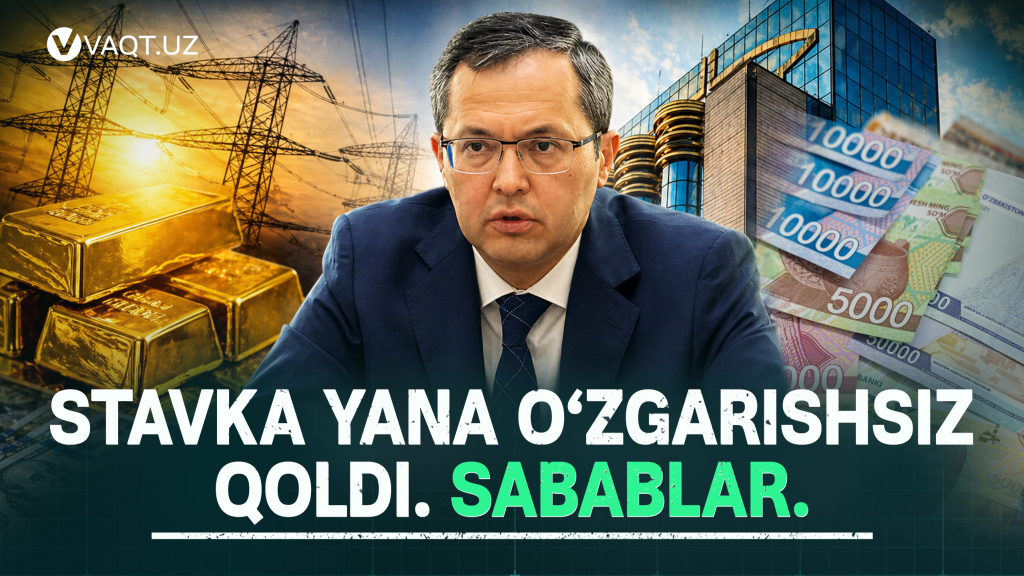
On April 29, Uzbekistan's Central Bank decided to hold its key interest rate steady at an annual 14 percent. This decision reflects careful consideration of current economic conditions, inflation trends, and external risks impacting the economy.
Balancing Inflation Control Against Growth Pressures
According to the Central Bank's data, overall inflation is showing a downward trend, with annual inflation reaching 7.1 percent in March 2024. Inflation expectations have also softened, signaling some positive momentum. However, a critical challenge remains: the persistent rapid rise in food prices. Essential consumer goods continue to experience inflation rates exceeding the general index, complicating monetary policy adjustments.
"Although inflation is easing, the process has slowed and in some segments, notably food prices, inflationary pressures persist," said Central Bank Chair Temur Ishmetov.
This situation has led the regulator to conclude that conditions are not yet suitable for lowering the key interest rate. Energy tariffs and utilities price increases, particularly a projected indexation of up to 10 percent announced earlier this year, are also factored into inflation calculations but have not been finalized.
External economic factors add further pressure. The International Monetary Fund has downgraded its global growth forecasts and highlighted ongoing inflationary risks. Volatility in energy and food prices internationally could transmit directly to Uzbekistan’s domestic market.
Meanwhile, Uzbekistan’s economy grew by an impressive 8.7 percent in the first quarter of 2024, exceeding forecasts. This robust growth boosts domestic demand, which could intensify inflationary pressures, a key consideration in the Central Bank's decision-making.
The Central Bank also continues to oversee the privatization process of state-owned banks, including Sanoatqurilishbank, Aloqabank, and Asakabank. Although the regulator is not directly managing privatizations, it participates in evaluation and analysis phases.
On the currency front, the Central Bank maintains a firm stance on a free-floating exchange rate regime, opposing artificial interventions in the foreign exchange market.
Looking ahead, the Central Bank has emphasized that future monetary policy adjustments will hinge on inflation dynamics and external risk developments. Should inflationary pressures ease further, a rate cut may be considered. Conversely, sustained or heightened risks could prompt tighter monetary measures.


