Income Inequality in Germany Widens as CEO Pay Surges Amidst Stagnant Worker Wages
Oxfam reports significant CEO salary growth in Germany while average worker wages remain below pre-pandemic levels, highlighting growing economic disparity with global repercussions.
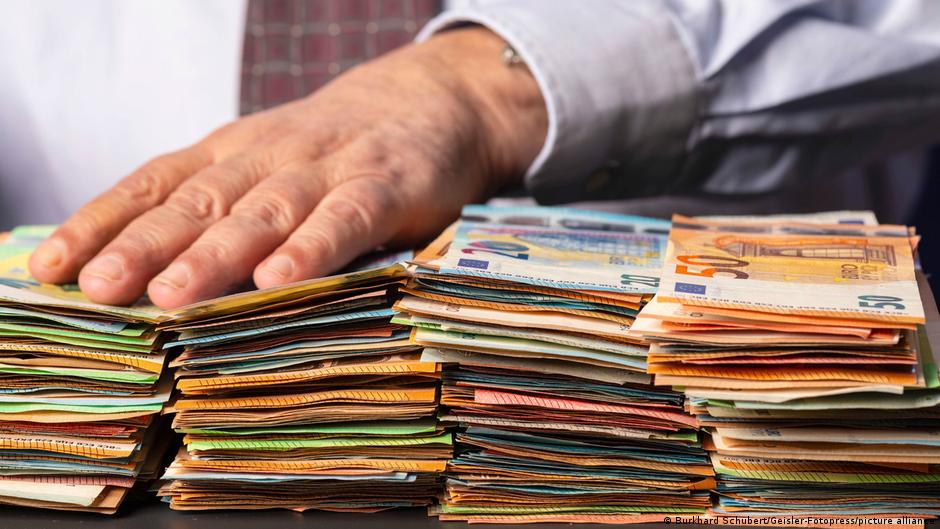
Economic inequality in Germany is intensifying as CEO compensation in major corporations experiences a sharp rise, while wages for average employees remain stagnant or decline when adjusted for inflation. This divergence raises concerns over long-term social cohesion and economic stability, according to a recent Oxfam analysis.
Surging CEO Salaries Versus Stagnant Worker Wages
Oxfam’s report reveals that since the onset of the COVID-19 pandemic, income disparity has widened significantly. From 2019 to 2025, the inflation-adjusted average CEO salary globally increased by 54%, climbing from approximately $5.5 million to $8.4 million. In Germany, the top 25 executives among DAX 40 companies saw an even greater increase of 56%, with average compensation rising from €4.5 million to nearly €7 million.
Conversely, real wages for ordinary workers have decreased by 12% globally over the same period and remain slightly below pre-pandemic levels in Germany after inflation adjustment. Many households face diminished purchasing power amid recent inflation surges, especially due to energy prices, housing costs, and food expenses.
“This growing inequality poses a threat to our democracy,” Oxfam observers warn, emphasizing the disconnect between executive earnings and the economic realities confronting most citizens.
Oxfam also highlights that nearly 1,000 billionaires analyzed globally received $79 billion in dividends in 2025 alone, often benefiting from lower tax rates than average employees. This dynamic exacerbates wealth concentration and challenges equitable fiscal policy.
Policy Implications and Global Economic Context
In light of these trends, Oxfam urges policymakers in Germany to implement stronger tax measures targeting the ultra-wealthy at both national and international levels. Additionally, the organization advocates for establishing a minimum wage of no less than €15 per hour to counteract growing social inequality.
These domestic economic challenges are compounded by external geopolitical risks. The Munich-based ifo Institute projects that the ongoing conflict involving the United States, Israel, and Iran could reduce Germany’s economic growth by at least 0.2 percentage points. Supply chain disruptions, including shipping route changes around the Persian Gulf, have increased transportation costs and delivery times for German companies.
Heightened geopolitical uncertainty further dampens investor confidence and complicates economic forecasting, underscoring the interconnected nature of global political events and domestic economic wellbeing.
For senior decision-makers, these insights emphasize the need for balanced policy responses that address income inequality while safeguarding economic growth and social stability in an increasingly complex international environment.