Russia Extends Sale of Lower-Grade Fuels Until 2027 Amid Energy Crisis
The Russian government temporarily permits production and sale of Euro-2 to Euro-4 fuels to address supply disruptions caused by infrastructure attacks.
The Russian government has authorized the production and sale of lower environmental grade fuels, classified as Euro-2, Euro-3, and Euro-4, through July 2027. This decision is part of a temporary, crisis-response measure aimed at balancing fuel quality requirements with urgent supply availability for consumers.
The Ministry of Energy announced the extension on August 5, confirming that gasoline with reduced ecological standards (classes K2–K4) will be permitted until July 1, 2027. Concurrently, the authorities revoked an earlier policy allowing the circulation of class K5 gasoline with higher sulfur content through the end of 2026.
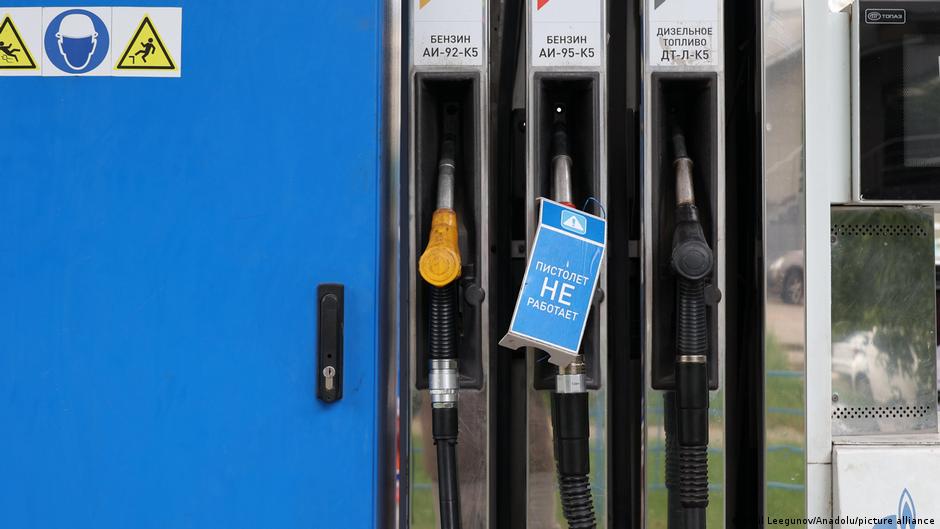
The ministry assured that information regarding fuel ecological classes will be clearly displayed at fuel stations to inform consumers. The move is explicitly described as a temporary and anti-crisis intervention to navigate the current disruptions in fuel supply.
Supply Shock Driven by Infrastructure Attacks
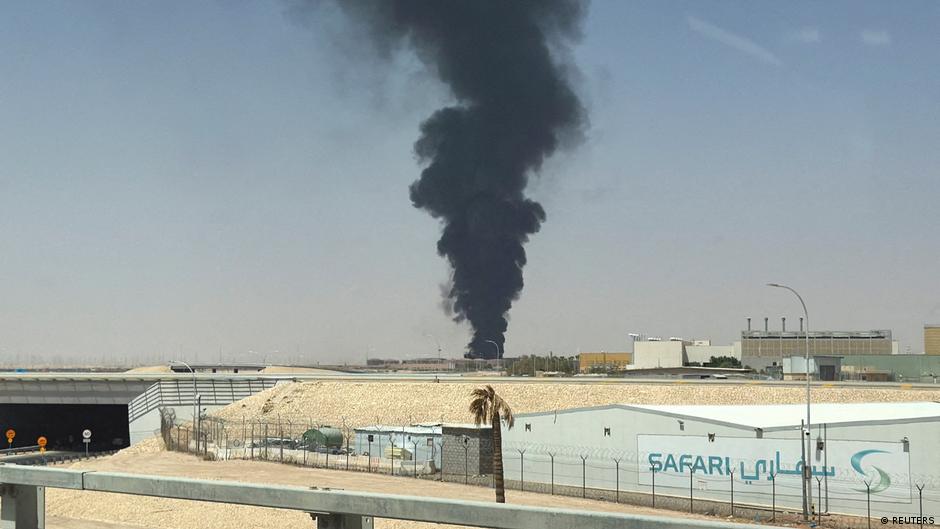
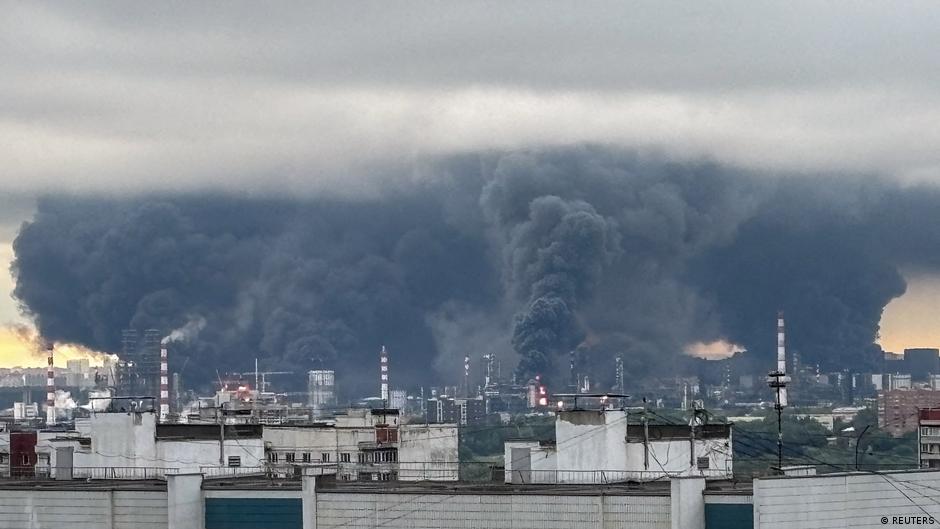
The fuel crisis in Russia stems from sustained attacks by Ukrainian armed forces on critical oil refining and energy infrastructure. The situation deteriorated sharply in late May when Moscow's Kapotnya oil refinery—responsible for approximately 40% of the capital's fuel supply—was struck twice within a week. The refinery is expected to remain non-operational until late 2026 or early 2027.
According to Reuters, Russian gasoline production in June 2026 fell by 25% year-on-year to 85,000 tons per day, while summer demand hovered around 110,000 tons daily. More than 40 regions across Russia have enacted formal restrictions on fuel sales amid the shortage.
Lowering fuel standards allows the use of crude oil with minimal refining and enables operational capacity in facilities unable to produce higher-grade fuels. NEFT Research communications director Dmitry Prokofiev estimates that this adjustment could increase gasoline output by hundreds of thousands of tons monthly. However, it is unlikely to fully offset lost volumes.
"This measure helps mitigate the immediate supply shortfall but raises concerns about compatibility and safety for many modern vehicles," said Dmitry Prokofiev.
Indeed, extensive use of lower-grade fuels may pose risks to advanced vehicle engines designed for higher environmental standards. The temporary shift represents a trade-off between immediate fuel availability and long-term environmental and technical standards.
From a macroeconomic perspective, Russia's decision underscores the significant impact of geopolitical conflict on its energy sector, disrupting production and forcing regulatory flexibility that may affect domestic consumption patterns and vehicle fleets. In the broader context, these developments could have ripple effects on global energy markets, particularly in how Russia manages export volumes and refines its product slate during prolonged infrastructure challenges.