EU Extends Sanctions Against Russia for One Year Amid Shifting Political Dynamics
European Union member states agree to lengthen sanctions duration on Russia to one year, marking a strategic shift in their approach amid changing leadership in Hungary.
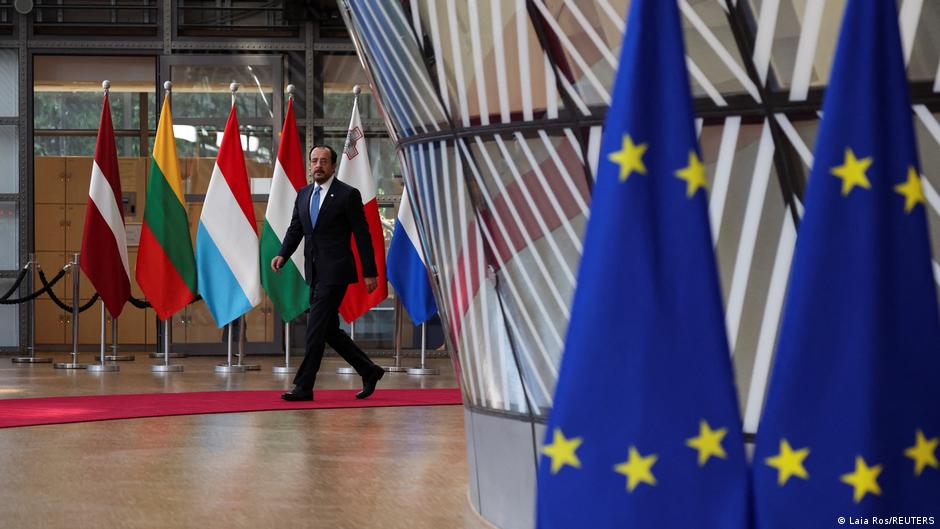
In a significant development at the EU summit held in Brussels on June 18, member states agreed for the first time to extend sanctions imposed on Russia for its war against Ukraine from six months to a full year. This marks a notable shift in the European Union’s approach to maintaining pressure on Moscow amid its ongoing military aggression.
Political Realignment Enables Longer Sanctions
Previously, efforts to prolong sanctions beyond six months were consistently blocked by Hungary's former Prime Minister Viktor Orbán, who held office from 1998 to 2002 and again from 2010 until May 2024. Orbán’s veto had stalled EU consensus on sanction extensions and related political declarations. However, the recent change in Hungarian leadership—with the appointment of Prime Minister Péter Medgyár in May—has removed this obstacle. The new Hungarian government has endorsed the sanctions extension, enabling the EU to move forward.
“We aim to intensify pressure on Russia and further weaken its military economy to compel an end to its brutal war and encourage substantive peace negotiations.”
This declaration, supported unanimously by all 27 EU member countries for the first time since December 2024, articulates the bloc’s strategic intent to escalate economic and political pressure on Russia. The statement emphasizes the importance of reducing Russia’s revenues from energy exports—including combating the use of the so-called “shadow fleet” involved in evading sanctions—and anticipates the rapid adoption of a 21st EU sanctions package.
Implications of the 21st Sanctions Package
Specific details of the upcoming 21st package remain undisclosed, but reports suggest it may include travel bans targeting Russian military personnel engaged in the Ukraine conflict. Additionally, the package is expected to impose restrictions on significant figures such as Patriarch Kirill, head of the Russian Orthodox Church, and Arkady Dvorkovich, president of the International Chess Federation (FIDE). For the first time, sanctions are also likely to extend to sectors such as energy, finance, trade, and even fisheries.
Despite the general consensus, Bulgaria’s Prime Minister Rumen Radev has announced his country’s intention to veto the forthcoming sanctions package, citing economic concerns and opposition to restrictions on Patriarch Kirill. Nevertheless, Radev reaffirmed Bulgaria’s support for Ukraine’s EU accession negotiations, highlighting the complex balancing act many EU countries face between geopolitical strategy and national economic interests.
Broader Economic and Strategic Consequences
The EU’s decision to extend sanctions for a full year reflects a strategic recalibration that recognizes the protracted nature of the Russia-Ukraine conflict and its broader geopolitical risks. By committing to longer sanction periods, the EU signals a readiness to sustain economic pressure over the long term, aiming to exhaust Russia’s military and economic capabilities.
This move also underscores evolving dynamics within the EU, where shifting domestic political landscapes directly influence collective foreign policy. The change in Hungarian leadership demonstrates how internal politics can impact the bloc’s cohesion and the implementation of its strategic agenda.
From a macroeconomic viewpoint, prolonged sanctions will likely continue to affect global energy markets, especially with the EU’s ongoing emphasis on reducing Russian energy revenues. The anticipated extension and expansion of sanctions into new sectors could increase economic discomfort within Russia, potentially accelerating shifts in global trade patterns and energy sourcing strategies.
As the EU prepares to formalize the 21st sanctions package in the coming weeks, policymakers worldwide will be closely monitoring the developments for their implications on international economic stability, energy security, and geopolitical alignments.