Ifo Institute Warns of German Recession Risk Amid US-EU Auto Tariff Escalation
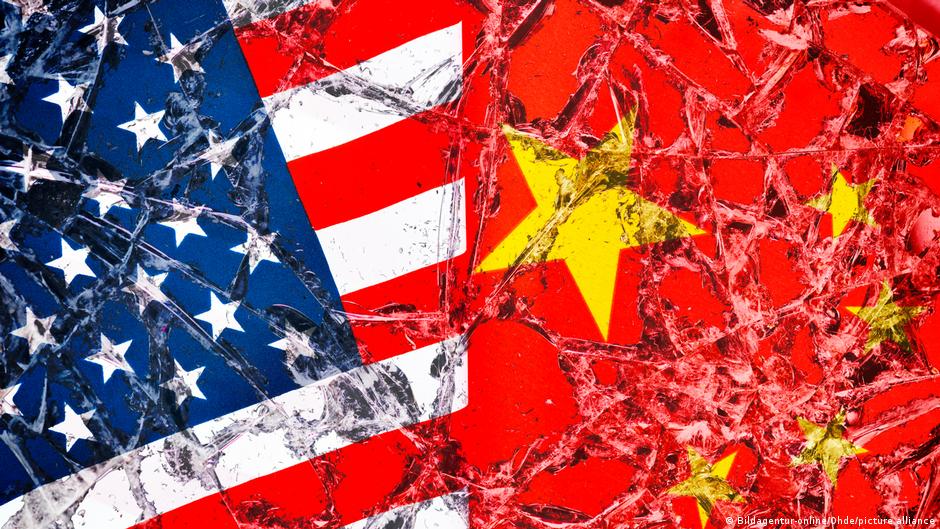
Rising US tariffs on EU automobiles could trigger a 2026 recession in Germany if retaliatory measures escalate a transatlantic trade war.
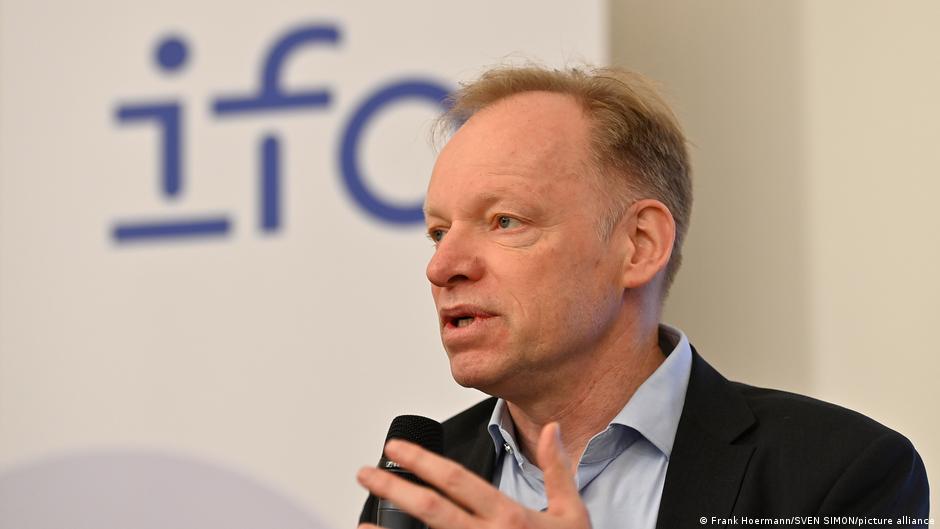
The Munich-based ifo Institute for Economic Research has issued a stark warning about the potential economic fallout for Germany following the United States' announcement of increased import tariffs on European Union automobiles. Should the EU respond with retaliatory duties on American goods, the institute predicts Germany could face a recession as early as 2026.
Implications of US-EU Trade Tensions on Germany's Economy
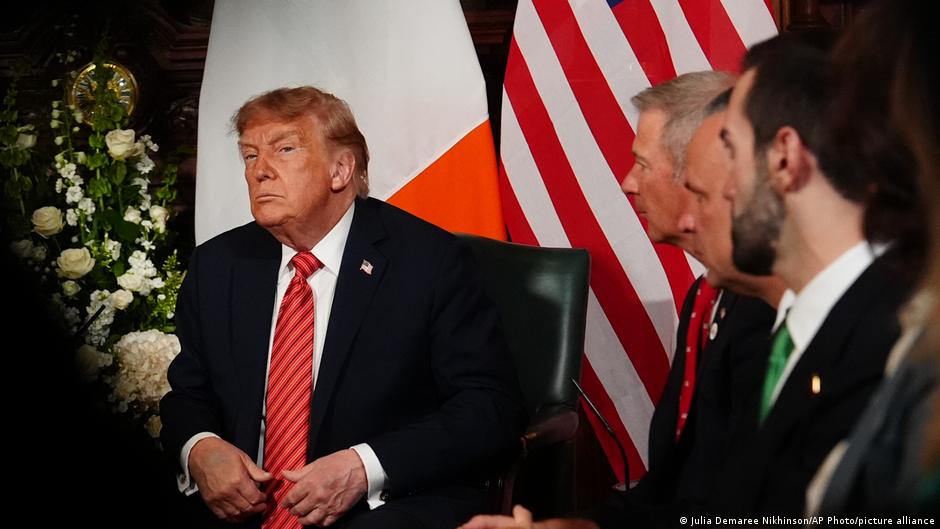
President Donald Trump announced on May 1 the imposition of tariffs of up to 25 percent on passenger and commercial vehicles imported from the EU into the US. This move targets the EU's automotive sector, a key pillar of Germany's export economy. Clemens Fuest, president of the ifo Institute, expressed concerns that the elevated tariffs would worsen an already challenging situation for Germany's automotive industry. He warned that if these tariffs trigger a trade war with retaliatory EU measures, the negative impact on economic growth could push Germany into a recession by 2026.
Ferdinand Dudenhöffer, a noted German automotive expert, echoed this sentiment, describing the tariff hike as "the start of an economic war against Germany." Given that Germany accounts for a substantial portion of the EU's automobile exports, the proposed 25 percent tariff significantly raises the stakes for German manufacturers and the broader economy.
Jens Südekum, advisor to German Finance Minister Lars Klingbeil, provided a more measured perspective. He advised Brussels to wait for the actual implementation of the tariffs before enacting any countermeasures. His stance underscores the delicate balancing act EU policymakers face between protecting economic interests and avoiding escalation of the transatlantic dispute.
The decision to raise tariffs comes against a backdrop of longstanding US grievances toward the EU's trade practices. Trump cited alleged breaches of prior agreements as justification for the tariffs, although specific clauses referenced remain unclear. Notably, the tariffs exclude vehicles produced in US plants, signaling a strategic focus on imports from European factories.
In September 2025, the US and EU had reached a comprehensive trade agreement aimed at reducing tariffs retroactively on European car exports from 27.5 percent to 15 percent, while the EU agreed to eliminate tariffs on a wide range of American industrial and agricultural goods. The recent tariff hike represents a significant reversal of that progress, threatening to destabilize transatlantic trade relations.
Broader Economic and Political Context
The tariff escalation coincided with heightened diplomatic tensions between Washington and Berlin. Just days prior, President Trump publicly criticized German Chancellor Friedrich Merz, urging him to focus on ending the war in Ukraine rather than involving himself in US-Iran policy matters. Merz had earlier condemned the US and Israeli military actions against Iran, highlighting their adverse effects on the German economy.
"If this leads to a renewed trade war, Germany faces a recession in 2026," warned Clemens Fuest, president of the ifo Institute.
These overlapping geopolitical and economic disputes underscore the interconnected risks facing Germany and the EU. The threat of a trade war with the US adds to uncertainties already posed by global supply chain disruptions, geopolitical conflicts, and energy market volatility.
For senior policymakers, the current situation demands careful navigation. Defensive trade measures risk spiraling into broader economic conflict, undermining growth prospects for Germany—the EU’s largest economy—and its key industries. Conversely, acquiescing to unilateral tariff hikes could weaken domestic manufacturing and employment.
Long-term, the episode highlights the fragility of global trade frameworks and the challenges of maintaining cooperative economic relations amid shifting geopolitical priorities. German and EU leaders must weigh immediate defensive responses against sustained efforts to preserve transatlantic trade stability and secure diversified economic resilience.