US Plans Significant Reduction of Military Presence in Germany Amid NATO Tensions
President Trump announces plans to cut US troop numbers in Germany far beyond initial estimates, signaling shifts in transatlantic defense posture.
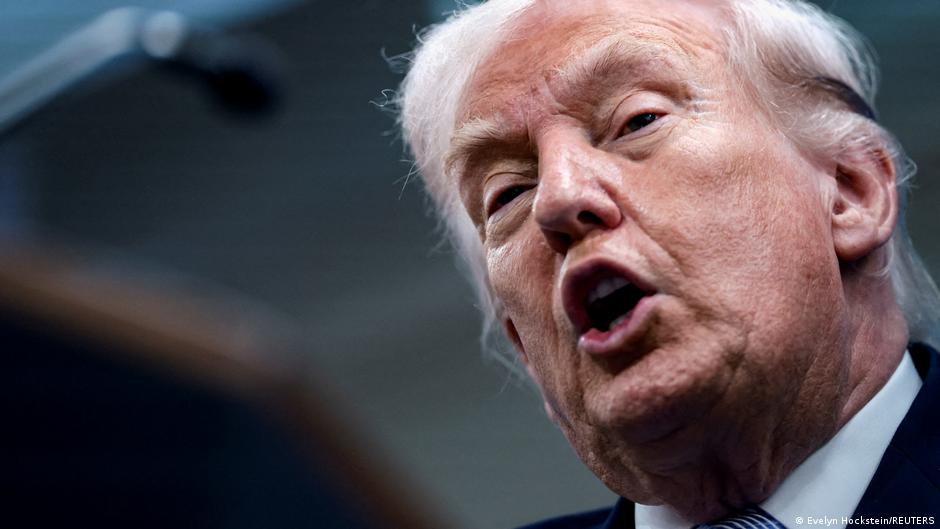
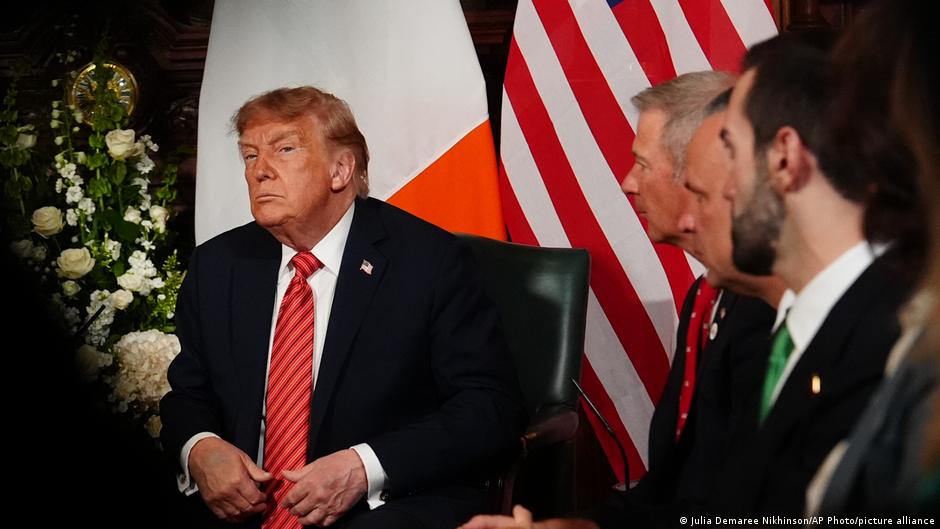
The United States is set to significantly reduce its military presence in Germany, exceeding earlier announced troop reductions. President Donald Trump disclosed plans to withdraw "much more than 5,000" soldiers, a move that underscores evolving US defense priorities and raises questions about NATO's future cohesion.
Strategic Reassessment of US Troop Deployment in Europe
The initial directive from the US Department of Defense called for the withdrawal of approximately 5,000 troops from Germany, roughly one-seventh of the total US forces stationed there. This figure was already notable given that Germany hosts the largest share of US troops in Europe—about 36,400 out of 68,000 across the continent as of late 2025.
However, speaking in Florida on the night of May 3, President Trump indicated that the planned reduction would be far greater. "We will be significantly reducing our forces in Germany—much more than 5,000 soldiers," he said, indicating a substantial recalibration of US military commitments.
Beyond Germany, Trump also issued veiled threats to cut troop levels in Spain and Italy, criticizing the latter for a lack of cooperation and calling Spain's support "absolutely terrible." These remarks reflect growing US frustration with European allies' roles in conflicts involving Iran and broader Middle East security.
"Italy didn’t help us at all, and Spain was terrible, absolutely terrible," Trump stated, highlighting his discontent with allied cooperation in the US-Israel conflict against Iran.
The US Secretary of Defense, Pete Hegseth, authorized the initial troop withdrawal order with a timeline of 6 to 12 months, confirming the decision followed a thorough review of the US military footprint in Europe. Pentagon spokesperson Sean Parnell reiterated that the move is part of a strategic transition toward a "stronger Europe within a stronger NATO."
In response, NATO spokesperson Allison Hart emphasized ongoing collaboration with the US to understand the decision's details, affirming the Alliance’s commitment to deterrence and defense amid the transition.
Historically, US troop numbers in Germany have undergone significant changes—from a peak of 250,000 during the Cold War in 1985 to current levels reflecting post-Cold War realignments. The proposed reductions could reshape the US military’s strategic posture on the continent, potentially affecting NATO's operational readiness and geopolitical balance.
Implications for Transatlantic Security and Policy
The announcement comes amid heightened tensions between Washington and Berlin. German Chancellor Friedrich Merz recently criticized the US for lacking a coherent strategy regarding the conflict with Iran. In turn, Trump accused Merz of supporting Iran’s nuclear ambitions, further straining diplomatic relations.
This troop reduction threat is not unprecedented; Trump had previously raised similar proposals during his first term, although troop levels ultimately increased. However, given the current political context and the US Congress's limitations on troop withdrawals, the actual implementation of such cuts remains uncertain.
The strategic recalibration signals a broader shift in US foreign and defense policy, with possible long-term economic and geopolitical consequences for Europe and the global security architecture. Reduced US presence may compel European nations to re-evaluate defense spending and capabilities, potentially accelerating moves toward greater European strategic autonomy.
As the US reconsiders its military footprint, senior decision-makers must closely monitor the evolving dynamics within NATO and transatlantic relations, assessing the implications for regional stability, defense industry sectors, and global power balances.