US to Reduce Troop Presence in Germany by 5,000 Amid Strategic Military Reassessment
Pentagon orders withdrawal of 5,000 US troops from Germany within a year, signaling shifts in transatlantic defense posture.
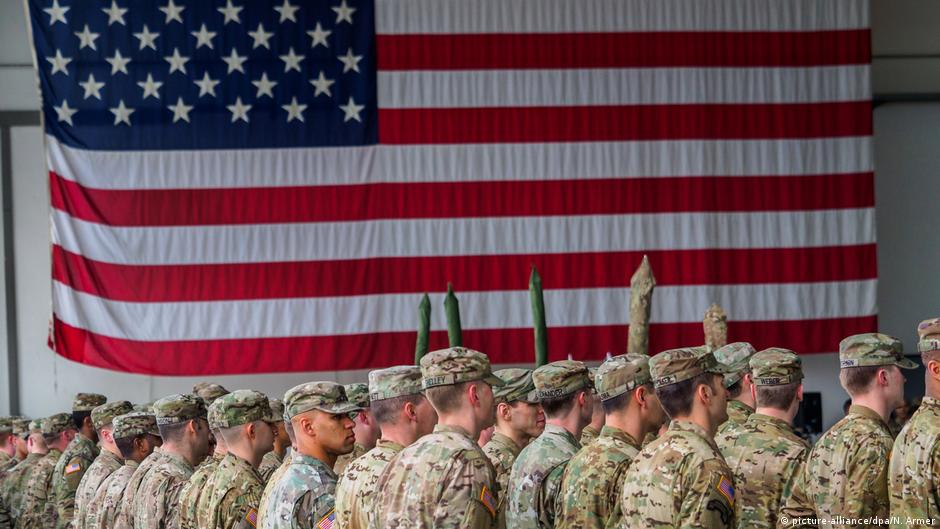
The United States Department of Defense has ordered the withdrawal of approximately 5,000 American troops from Germany within the next twelve months, marking a notable adjustment in US military deployment in Europe. The decision, announced by Defense Secretary Pete Hegseth, comes after a comprehensive review of the US defense posture across the continent.
Currently, Germany hosts more than 35,000 US soldiers, the largest American military presence in any European Union country. This troop reduction reflects evolving strategic priorities and operational requirements, with the Pentagon highlighting the need to balance force distribution according to regional demands.
Context and Implications of Troop Withdrawal
According to Pentagon spokesperson Sean Parnell, "We expect the troop withdrawal to be completed within the next six to twelve months." This decision stems from a thorough assessment of US military presence in Europe, factoring in both operational mandates and on-the-ground conditions.
"The troop redeployment considers operational requirements and local circumstances to optimize our strategic footprint in Europe," said Parnell.
As of December 2025, approximately 68,000 US troops were stationed across European bases, with around 36,400 in Germany alone. Historically, the US military presence in Germany was significantly larger, peaking at 250,000 troops in 1985 during the Cold War era before the fall of the Berlin Wall.
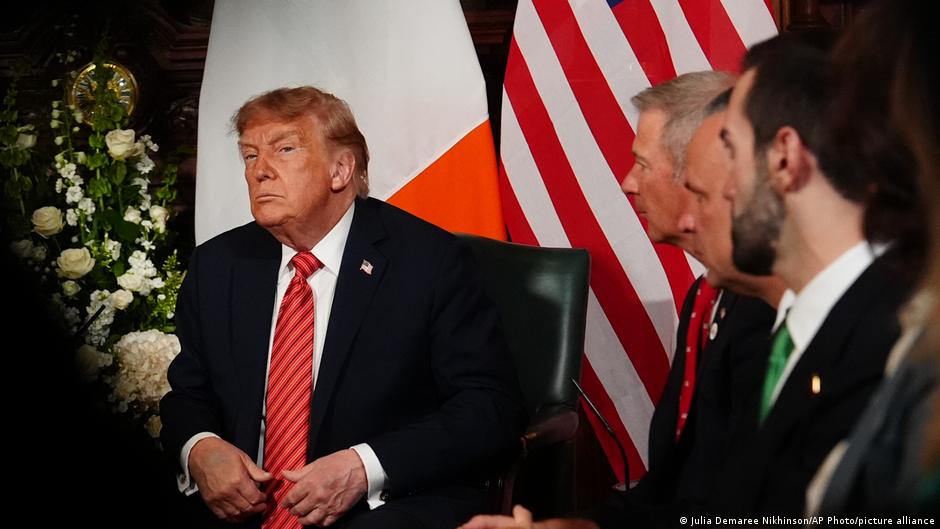
Despite previous announcements and political rhetoric, this reduction is the first concrete step to lower troop levels in Germany since the Cold War. US President Donald Trump had previously signaled intentions to reduce the European military footprint, but troop numbers had generally increased until now.
The German government has responded calmly to the announcement. Chancellor Friedrich Merz, during a visit to a military training ground in Munster, Lower Saxony, affirmed the importance of the US military presence in Germany. He emphasized that the American forces operate "shoulder to shoulder, in deep transatlantic cohesion" on strategically critical sites, underscoring mutual benefits.
The announcement follows recent diplomatic tensions between the US and Germany, including disagreements over strategies concerning the conflict involving the US, Israel, and Iran. Chancellor Merz criticized the US for lacking a clear approach to the war, while President Trump accused the German government of supporting Iran's nuclear program.
Macro-Economic and Geopolitical Considerations
The planned reduction of US troops in Germany represents more than a military adjustment; it carries broader implications for transatlantic relations, defense spending, and regional security dynamics. The US presence has long played a stabilizing role in Europe, serving as a deterrent amid shifting global power balances.
From an economic standpoint, the drawdown may affect local economies dependent on US military bases, including employment and service industries. Furthermore, the redeployment could signal a strategic pivot toward other regions or a realignment of defense budgets in response to evolving global threats.
Congressional scrutiny remains a significant factor, as legislative restrictions have historically constrained unilateral troop withdrawals. The interplay between executive decisions and congressional oversight will likely shape the pace and scope of future military adjustments in Europe.
This move also invites broader questions about NATO’s evolving role, European defense autonomy, and the strategic recalibration of US foreign policy amid rising geopolitical competition from Russia, China, and other actors.
As senior policymakers digest this development, it will be important to monitor the long-term impacts on alliance cohesion, defense industrial cooperation, and the geopolitical equilibrium that has underpinned transatlantic security since World War II.