Iran Submits 14-Point Peace Plan to US Amid Ongoing Middle East Conflict
Tehran outlines comprehensive conditions for ending hostilities, while Washington remains skeptical of the proposal’s viability.
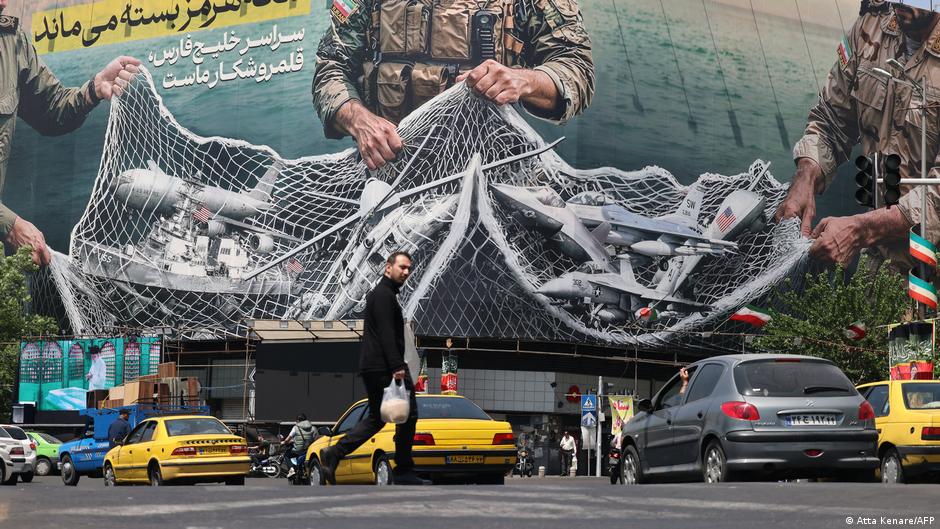
In a significant diplomatic development, Iran has presented the United States with a 14-point peace plan outlining Tehran’s key conditions for ending the ongoing military conflict in the Middle East. This initiative comes amid persistent tensions and a fragile ceasefire between the two nations and their allies.
Key Terms and Strategic Implications
The plan, delivered to Washington, builds on a prior US proposal that suggested a two-month truce. Iran’s response emphasizes the necessity of resolving all outstanding issues within a month, insisting that the focus should be on ending the war rather than merely extending a ceasefire.
According to reports, Tehran’s demands include guarantees from the US to refrain from future attacks, a full withdrawal of American troops from border areas, lifting of the naval blockade, and the unfreezing of Iranian assets held abroad. Additionally, Iran calls for reparations for damages incurred, the cancellation of sanctions, cessation of hostilities including Israeli strikes on Lebanon, and the establishment of a new operational framework for the strategically vital Strait of Hormuz.
"The emphasis must be on ending the war, not prolonging a ceasefire," states the Iranian response, highlighting the urgency of comprehensive settlement.
These terms, if accepted, would mark a profound shift in US-Iran relations and regional security architecture, potentially easing longstanding geopolitical frictions. The demand for reparations and the lifting of sanctions signals Tehran’s intention to seek not only military but also economic redress, aiming to restore its regional influence and stabilize its economy.
US Reaction and Broader Economic Consequences
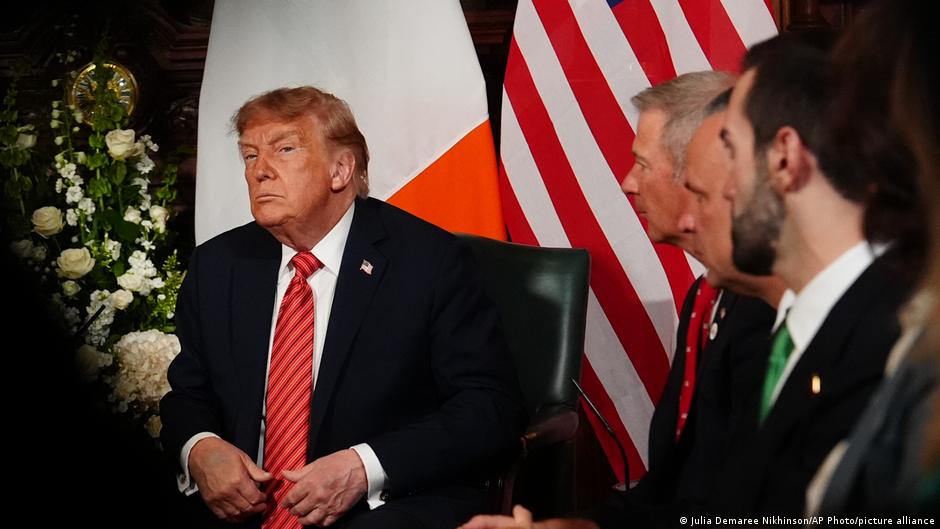
US President Donald Trump has acknowledged receipt of the peace plan but expressed doubt about its acceptability. He cited Iran’s historical actions over the past 47 years as reasons for skepticism and emphasized that Iran has not yet paid an adequate price for its conduct.
Trump’s remarks underscore the deep mistrust between the two countries, complicating prospects for swift resolution. The ongoing conflict, which began with US and Israeli strikes on Iranian territory in late February 2026, has since involved retaliatory attacks by Iran on Israel, Gulf states, and American assets. Although a ceasefire took effect in early April, substantive progress in peace negotiations remains elusive.
Strategically, the continuing blockade of the Strait of Hormuz by Iranian forces, opposed by a US naval blockade of Iranian ports, maintains significant pressure on global energy markets. The strait is a critical artery for global oil shipments, and disruptions have potential to exacerbate volatility in energy prices, affecting global economic stability.
The US administration has signaled its intent to sustain economic pressure, with preparations underway for a prolonged maritime blockade aimed at crippling Iran’s oil exports. Such actions could further strain global oil supply chains, impacting energy-importing countries worldwide and influencing inflationary trends.
Additionally, Trump’s notification to Congress declaring the cessation of military operations while cautioning that the threat from Iran remains significant points to a complex and protracted conflict environment with uncertain long-term outcomes.
Global Economic and Policy Implications
The interplay between military action and economic sanctions against Iran reflects broader shifts in US foreign policy strategies that prioritize economic leverage alongside traditional military measures. The efficacy and consequences of these tactics will be closely watched by global markets and policymakers.
Should negotiations eventually lead to a comprehensive peace agreement including the lifting of sanctions and normalization of trade relations, there could be substantial positive impacts on global energy supply and regional economic integration. Conversely, any failure to resolve the conflict risks sustained instability in a critical geopolitical region, with ripple effects on global trade, security policies, and economic growth.
For senior decision-makers, understanding the evolving dynamics of US-Iran relations is essential for anticipating shifts in energy markets, adjusting geopolitical risk assessments, and formulating responsive economic and foreign policies that mitigate risks and exploit emerging opportunities in the Middle East.