Renewed Russian Drone Attacks on Multiple Ukrainian Regions Signal Escalating Conflict Risks
Russian forces launched extensive drone strikes targeting Ukraine’s energy and port infrastructure, intensifying regional instability with broad economic implications.

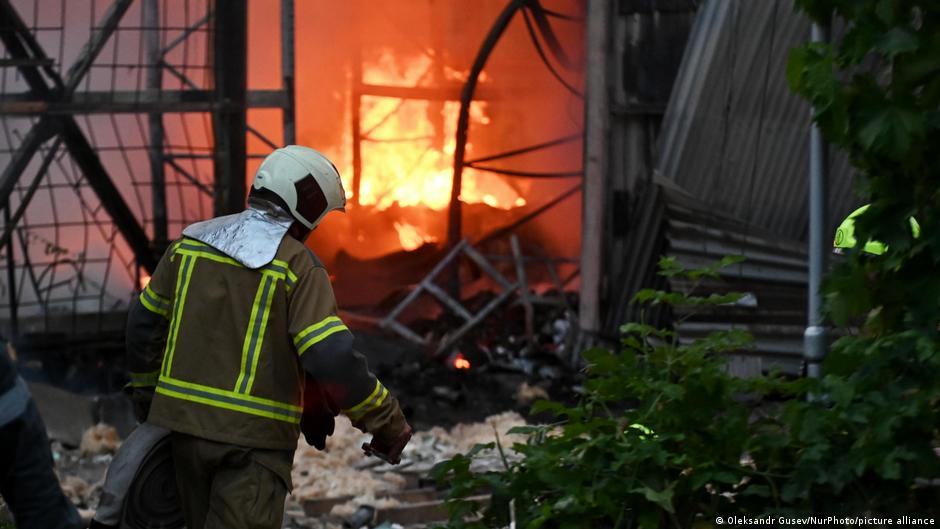
On the night of May 2, Russian military forces conducted a series of coordinated drone attacks across multiple regions of Ukraine, targeting critical infrastructure and residential areas. The assaults represent an escalation with significant ramifications for regional security and economic stability.
Targeted Attacks on Energy and Infrastructure
According to local officials, the city of Mykolaiv experienced strikes on its energy infrastructure, causing concerns about potential disruptions in power supply. Vitaliy Kim, head of the regional military administration, confirmed drone assaults but reported no casualties so far.
In Kharkiv, a Shahed drone struck a 12th-floor residential building in the Shevchenkivskyi district, injuring a civilian with shrapnel wounds to the chest. Mayor Ihor Terekhov noted that the drone failed to detonate, which likely prevented more severe damage and casualties.
Explosions were also reported in Sumy and Kherson, marking the third successive series of strikes in Kherson within 24 hours. Ukrainian Air Force units noted ongoing drone movements toward Chernihiv, Zaporizhzhia, Odesa, and the surrounding Odesa region.
"The air defense forces operated effectively, intercepting the majority of hostile drones and minimizing damage to the port infrastructure in Izmail," local authorities stated.
The port city of Izmail was among the targets, though effective air defense responses resulted in minimal damage. This highlights a persistent threat to critical transport and logistics hubs within Ukraine, which could have broader consequences for regional trade and supply chains.
Human and Economic Toll of the Strikes
More than 50 Shahed drones targeted Ternopil in western Ukraine, resulting in over 20 explosions and injuries to at least 12 individuals, including civilians, according to the regional police chief Serhiy Zybanenko. The intensification of attacks in western Ukraine signals an expansion of the conflict's geographic scope, potentially destabilizing previously less-affected areas.
In the Dnipropetrovsk region, nearly 50 strikes were recorded across the Nikopol and Kryvyi Rih districts within a single day, injuring four people. Alexander Ganja, head of the local military administration, detailed hospitalization and ongoing medical treatment for some victims.
These strikes not only exacerbate humanitarian concerns but also threaten Ukraine’s industrial and agricultural heartlands, impacting production capacity and economic output in the medium to long term.
Wider Economic and Policy Implications
The renewed and geographically dispersed drone attacks underscore the evolving nature of warfare in the Ukraine conflict, where unmanned aerial vehicles are increasingly used to target critical infrastructure. This trend raises pressing questions about the vulnerability of energy grids, transport networks, and urban centers in conflict zones.
For global economic observers and policymakers, the intensification of such attacks signals potential disruptions to Ukraine’s export capabilities, particularly in agricultural commodities and industrial goods pivotal to global supply chains. These disruptions could exacerbate inflationary pressures and contribute to volatility in commodity markets worldwide.
Furthermore, the ability of air defense systems to mitigate damage demonstrates the importance of sustained investment in military technology and intelligence-sharing among allied nations. The conflict’s ongoing escalation may prompt shifts in defense policies and budget allocations across Europe and beyond, influencing geopolitical alignments and economic strategies.
As the conflict persists, monitoring the intersection of military developments and economic repercussions remains critical for senior decision-makers seeking to navigate the complexities of global economic security and stability.