Russian Missile Strikes on Kyiv and Kharkiv Cause Civilian Casualties and Infrastructure Damage
Recent missile attacks on Ukraine’s capital and Kharkiv resulted in fatalities, significant cultural heritage damage, and widespread power outages.
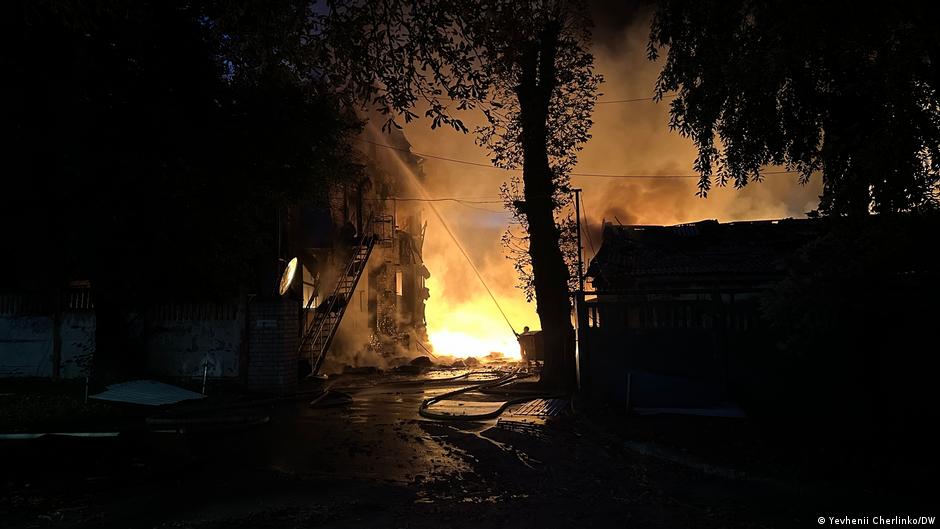
In the early hours of June 15, Russian military forces launched a series of missile strikes targeting Kyiv, Ukraine’s capital, and the northeastern city of Kharkiv. These attacks resulted in at least nine fatalities, including four civilians in Kyiv and five emergency responders in Kharkiv, while causing extensive damage to residential buildings, critical infrastructure, and cultural heritage sites.
Damage to Cultural Heritage and Civil Infrastructure
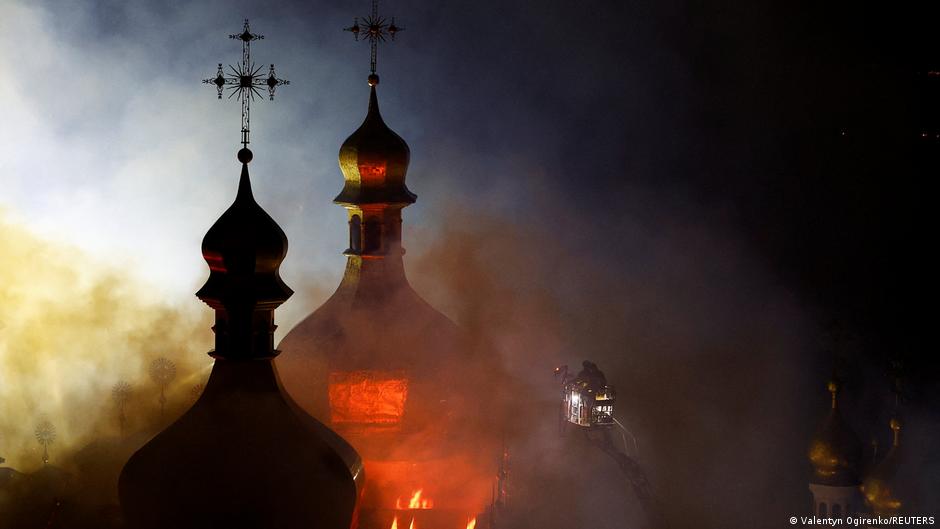
Among the impacted sites in Kyiv was the Kyiv Pechersk Lavra, a UNESCO World Heritage site and one of the most significant religious complexes in Eastern Europe. The mayor of Kyiv, Vitali Klitschko, confirmed that the roof of the Uspensky Cathedral, the main church within the Lavra complex, caught fire following the missile strike. Footage shared on social media showed the intense blaze consuming part of the historic structure.
Timur Tkachenko, head of Kyiv’s military administration, noted that the Lavra has suffered multiple damages since the onset of the full-scale war, including significant harm to the gallery leading to the remote caves, a sacred part of the complex. The ongoing attacks highlight the increasing vulnerability of Ukraine's cultural heritage amid persistent military aggression.
In addition to cultural sites, the missile strikes hit multiple residential buildings across Kyiv’s districts, including Pechersky, Solomensky, Obolonsky, and Shevchenkivsky. The impacts caused partial collapses and damage to civilian infrastructure including markets and grocery stores. Power lines in northern Kyiv were also damaged, leading to outages affecting approximately 140,000 customers, exacerbating humanitarian challenges in the city.
“The attacks not only inflict tragic human losses but also endanger national heritage and critical urban infrastructure, undermining Ukraine’s socio-economic stability,” said a defense analyst.
Human Cost and Emergency Response Challenges
The Ministry of Internal Affairs of Ukraine reported that the missile strikes killed at least four civilians in Kyiv and injured 25 others. In Kharkiv, the situation was further complicated by secondary missile strikes during firefighting efforts. Five firefighters lost their lives battling blazes caused by the attacks, and at least five more were wounded. These losses severely impact emergency response capabilities and highlight the risks faced by first responders in conflict zones.
This escalation follows a broader pattern of attacks on urban centers and critical infrastructure, posing significant challenges for Ukraine’s government and international partners. Since Russia’s full-scale invasion began, more than 1,600 cultural heritage sites in Ukraine have been damaged or destroyed, intensifying concerns about the long-term preservation of the country's historical and cultural assets.
Broader Economic and Policy Implications
The recurrent strikes on civilian infrastructure and cultural landmarks have profound macroeconomic implications. Damage to power grids and residential housing disrupts urban economic activity and essential services, while losses of cultural heritage sites impair tourism and cultural sectors critical to Ukraine’s post-war recovery.
The international community’s recognition of damage to UNESCO World Heritage sites underlines the geopolitical stakes involved, influencing global diplomatic pressure and potential policy responses. Continued targeting of civilian infrastructure may prompt enhanced sanctions, increased military aid, and expanded international support for Ukraine’s reconstruction efforts.
Strategically, these attacks underscore the need for resilient infrastructure investments, improved civil defense mechanisms, and a recalibration of economic policies to mitigate wartime disruptions. For senior policymakers, the evolving conflict dynamics necessitate adaptive strategies balancing immediate humanitarian needs with long-term economic stability and cultural preservation.