US Imposes Sanctions on Cuba’s State Oil Company Amid Rising Geopolitical Tensions
Washington targets Cuban state-owned oil firm CUPET to curb regime’s leverage over energy trade and deepen economic pressure.
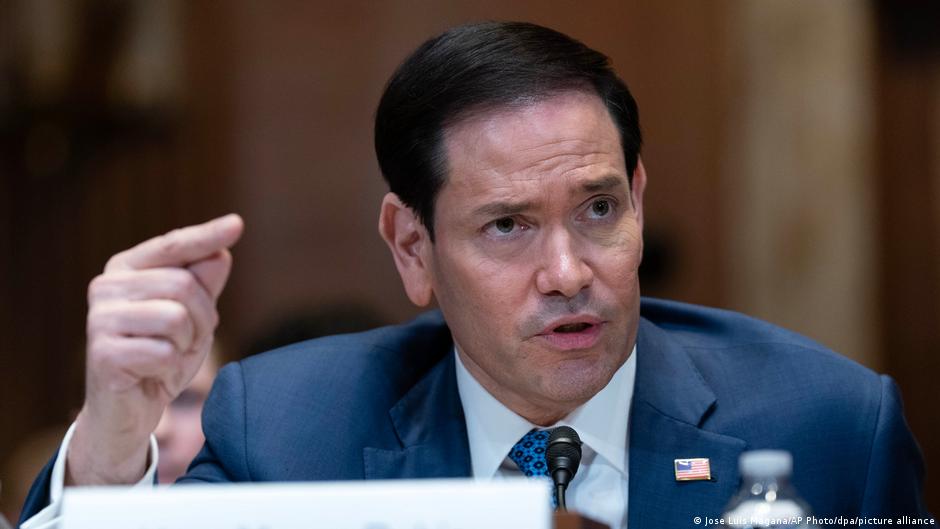
The United States has announced new sanctions against Cuba's state-owned oil and gas company, Union Cuba Petroleo (CUPET), marking a significant escalation in its strategy to intensify economic and political pressure on Havana. The move, declared by US Secretary of State Marco Rubio on June 11, aims to restrict the Cuban government's ability to exploit energy resources as a tool for social control and kleptocratic enrichment.
Sanctions as a Lever Against Cuba’s Economic and Political Control
Marco Rubio explained the rationale behind the sanctions on the social media platform X, emphasizing that the Cuban communist elite uses control over energy supplies to maintain its grip on power and enrich itself at the expense of the Cuban people. CUPET has been added to the US Treasury's Specially Designated Nationals (SDN) list, effectively prohibiting US persons from conducting business with the company. Furthermore, non-US persons and entities face potential secondary sanctions if they engage in transactions with CUPET.
"Until the Cuban people gain greater economic and political freedom, the US will continue to impair the regime’s ability to exploit energy trade for corrupt and repressive purposes," Rubio stated.
This measure forms part of a broader US campaign launched in recent months to tighten its economic embargo and isolate Cuba internationally. Earlier in June, the White House imposed sanctions against Cuban President Miguel Díaz-Canel, members of former leader Raúl Castro’s family, and other regime figures. These sanctions extend to Díaz-Canel’s immediate family and several key individuals associated with the ruling elite.
Broader Implications for Regional Energy Dynamics and Political Stability
The intensification of sanctions occurs against a backdrop of Cuba’s deepest economic crisis since the collapse of the Soviet Union. The island suffers from chronic fuel shortages and power outages, exacerbated by Washington’s efforts to curtail imports of Venezuelan oil, previously Cuba’s main energy supplier. The US’s capture of Venezuelan President Nicolás Maduro in January and the subsequent disruption of Venezuelan oil shipments have severely constrained Cuba’s energy access.
These developments are likely to have long-term implications not only for Cuba’s fragile economy but also for regional geopolitical dynamics. Cuba’s reliance on energy imports makes it especially vulnerable to external pressures, and further disruptions could destabilize the regime or provoke humanitarian consequences.
US policymakers appear to be deliberately leveraging energy sanctions as a strategic tool to undermine the Cuban government’s financial foundations and signal increased US resolve in the Western Hemisphere. The move also reflects broader shifts in US foreign policy that prioritize economic coercion as a means of advancing political objectives in Latin America.
Conclusion
The latest sanctions against Cuba’s state oil company underscore a marked escalation in US efforts to isolate Havana economically and politically. By targeting CUPET, Washington aims to choke off the Cuban regime’s access to vital energy resources, thereby limiting its ability to maintain control and pursue its political agenda. These measures contribute to an already tense geopolitical environment in the Caribbean, with potential ripple effects on energy stability and political order across the region.