Uzbek Banks See Rapid Deposit Growth in Q1 2026, Signaling Increased Economic Liquidity
Most Uzbek banks reported significant deposit growth in early 2026, reflecting rising trust and liquidity in the economy amid shifting financial dynamics.
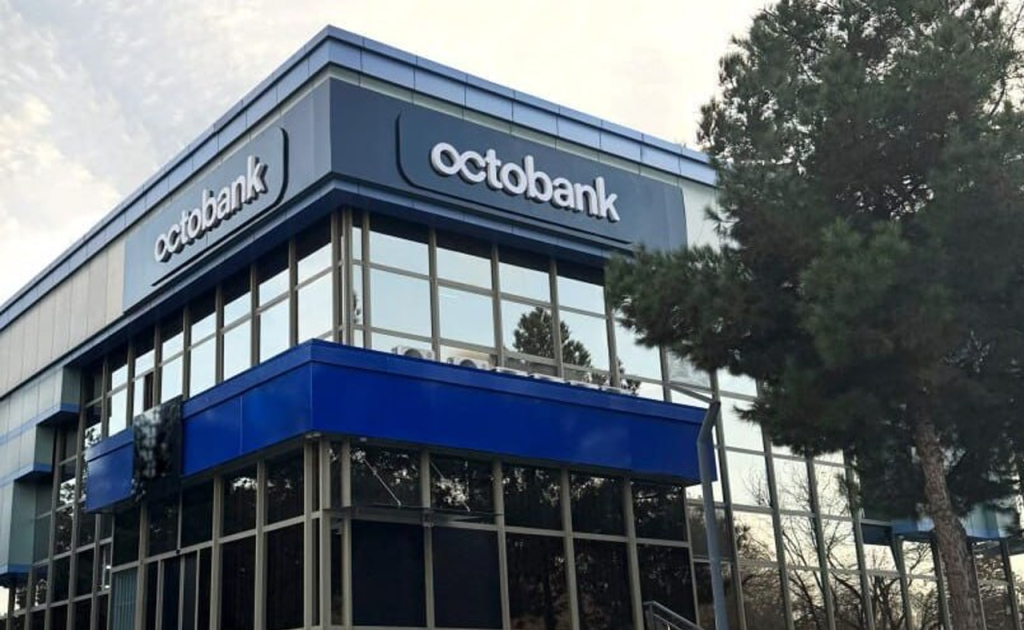
In the first quarter of 2026, the majority of Uzbekistan's banking sector experienced robust growth in deposit portfolios, highlighting increased confidence among both households and businesses. Excluding Orient Finans Bank, all banks showed rising deposits, with Octobank leading in percentage growth.
Key Drivers of Deposit Expansion and Market Shifts
According to recent financial data, total bank deposits in Uzbekistan surged by 30.88% year-on-year from 324.1 trillion soums in Q1 2025 to 424.2 trillion soums in Q1 2026. This substantial increase indicates not only enhanced liquidity in the economy but also a marked improvement in public and corporate trust in the banking system.
Among the largest contributors, Milliy Bank retained its position as the deposit leader, with its portfolio rising from 38 trillion to 53.4 trillion soums. Close behind, Kapitalbank maintained second place with deposits totaling 44.9 trillion soums. Notably, Agrobank saw a significant rise from 21.5 trillion to 34.9 trillion soums, climbing from sixth to third place in the rankings.
However, the most striking performance came from Octobank, which recorded a staggering 416% increase in deposits, growing to 13.9 trillion soums. This surge propelled the bank up the rankings from 22nd to 12th place. The growth was primarily driven by corporate deposits, which soared from 2 trillion to 13.4 trillion soums within one year.
"The surge in corporate deposits at Octobank underscores a growing business sector confidence, signaling shifts in the corporate financial landscape," analysts note.
Significant absolute increases in deposit amounts were also observed at Milliy Bank (+15.4 trillion soums) and Agrobank (+13.3 trillion soums), reflecting deepening engagement with their client bases. Uzum Bank, leveraging digital ecosystem opportunities, boosted its deposit holdings from 72.7 billion to 1.2 trillion soums, signaling the impact of fintech expansion on banking growth.
Other regional banks, including Avo Bank, Garant Bank, Hayot Bank, and Apex Bank, also reported marked deposit growth compared to the previous year, illustrating a broad-based strengthening of the banking sector.
Conversely, Orient Finans Bank was the sole institution to experience a deposit decline, with a 9.6% reduction equating to approximately 1.1 trillion soums, signaling potential challenges in maintaining depositor confidence.
Implications for Uzbekistan's Economic Policy and Regional Stability
The rapid expansion of deposit portfolios among Uzbek banks has multiple macroeconomic implications. Firstly, it indicates a growing monetary base and enhanced liquidity, which may fuel credit expansion and economic growth if channeled effectively. Policymakers must balance this liquidity expansion with inflation control and financial stability objectives.
Secondly, the notable shift towards corporate deposit growth, especially in banks like Octobank, suggests evolving business confidence and possibly increased investment activity. This trend could support broader economic diversification and development goals prioritized by Uzbekistan's government.
Finally, the integration of digital banking platforms, as demonstrated by Uzum Bank's growth, points to transformative trends in the financial sector that may enhance access and efficiency but also require updated regulatory frameworks to manage new risks.
In summary, Uzbekistan's banking sector developments in early 2026 reflect positive systemic trends with significant implications for monetary policy, economic growth prospects, and regional financial stability.