EU Leaders Prepare for Potential Talks with Russia Amid Global Geopolitical Shifts
European Union leaders are coordinating strategies for possible negotiations with Russia, signaling shifts in diplomatic approaches amid ongoing conflicts.
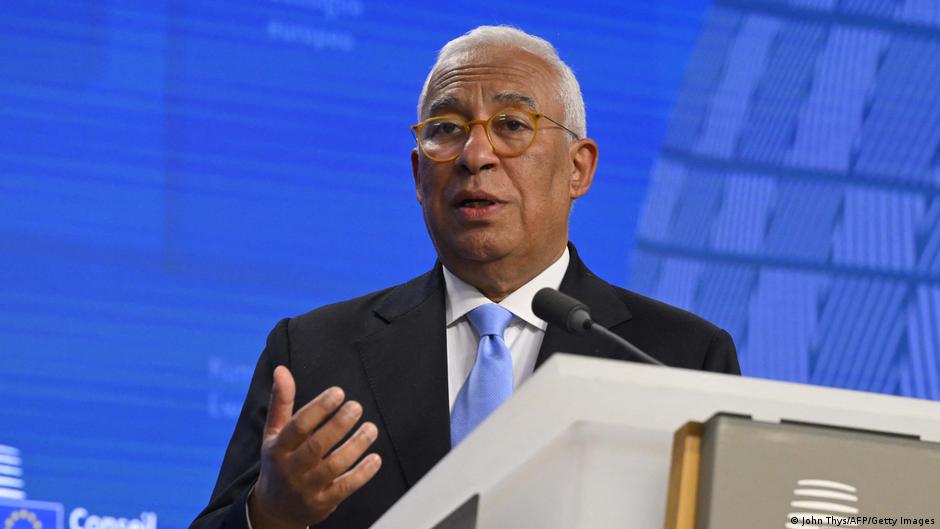
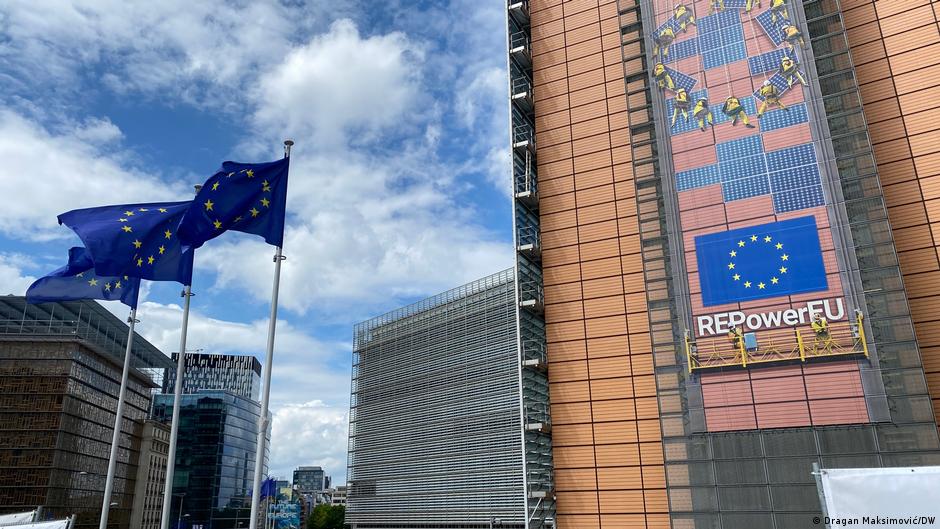
European Union leaders are actively preparing for potential negotiations with Russia, reflecting a cautious yet strategic recalibration in the EU's diplomatic posture amid complex geopolitical dynamics. European Council President António Costa emphasized ongoing consultations with the leaders of all 27 EU member states to define the framework and agenda should talks with Russia materialize.
Strategic Coordination and the Prospect of Dialogue
Speaking at the European University Institute in Florence, Costa highlighted that while there is a window of opportunity for discussions with Russian President Vladimir Putin, no clear signals of Moscow’s readiness for serious and effective engagement have yet been observed. Costa stated, "I am negotiating with the leaders of the 27 member states to determine how best to organize ourselves and what exactly we need to discuss with Russia when the right moment arrives." He also stressed that the EU does not intend to obstruct separate negotiations conducted by the United States.
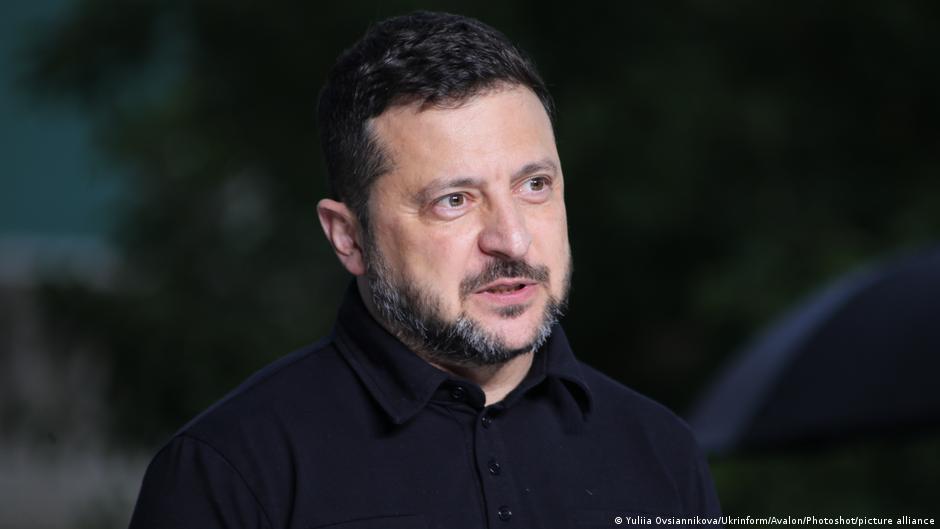
The EU’s preparations come amid calls from Ukrainian President Volodymyr Zelensky for European leaders to be ready to contribute positively to negotiations. High-level Ukrainian officials have underscored the need for tighter coordination at the European level, suggesting that the EU could assume a leadership role in representing the continent’s collective interests during any negotiations.
"The EU could act as a leader representing all Europeans in potential talks," a senior Ukrainian official affirmed.
The last significant dialogue between Europe and Russia occurred in early February 2026, when French presidential advisors visited Moscow to explore EU participation in peace negotiations related to the Ukraine conflict. However, these overtures were reportedly rejected by Russian authorities, with President Putin signaling willingness for constructive dialogue only if reciprocated.
Reports from March indicated a deterioration in communication, including an incident where Putin’s aide used profane language to dismiss French proposals. The Kremlin’s press secretary noted the absence of positive signals from the French side, justifying the lack of a constructive response from Moscow.
Impact of Broader Geopolitical Tensions and the Role of the United States
Geopolitical developments beyond Europe have also influenced the negotiation landscape. The outbreak of new military confrontations in the Middle East, particularly involving the United States and Israel against Iran, has redirected the focus of key US envoys—such as Special Envoy Stephen Biegun and Jared Kushner—from Ukrainian peace efforts to Middle East diplomacy. This shift has stalled planned trilateral talks involving Russia, the US, and Ukraine.
In the coming days, US Special Envoy Stephen Biegun is scheduled to meet with Ukrainian National Security Secretary Rustem Umerov in Miami, marking the first direct engagement between the two countries’ representatives since the escalation in the Middle East. These developments underscore the interconnected nature of global conflicts and their impact on diplomatic strategies concerning Russia and Ukraine.
Despite these challenges, Ukrainian presidential office chief Kirill Budanov has expressed cautious optimism that Moscow and Kyiv are moving closer to a peace agreement. He noted that while both parties have maintained maximalist positions during negotiations so far, compromises may soon be reached, potentially shortening the timeline for conflict resolution.
Long-Term Economic and Policy Implications
The EU’s readiness to engage in dialogue with Russia signals a pragmatic shift in European foreign policy, acknowledging the necessity of diplomatic channels even in the face of stalled communications and ongoing warfare. Should negotiations proceed, they may reshape economic sanctions frameworks, energy supply considerations, and broader trade relations, which have been significantly disrupted since the conflict's onset in Ukraine.
The evolving diplomatic landscape also underscores the importance of coordinated policy responses across the EU and with transatlantic partners. As the EU positions itself to potentially lead European interests in negotiations, careful balancing of economic sanctions, security assurances, and political incentives will be critical to managing long-term stability in the region.
In a broader macroeconomic context, successful dialogue could alleviate energy market uncertainties triggered by the conflict, stabilizing supply chains and reducing inflationary pressures across Europe. Conversely, failure to initiate meaningful negotiations may prolong economic disruptions, with ripple effects extending to global markets.