US and Iran Near Agreement to End Long-Standing Conflict, Trump Announces
President Trump reports promising negotiations with Iran and potential deal to halt nuclear development and ease tensions.
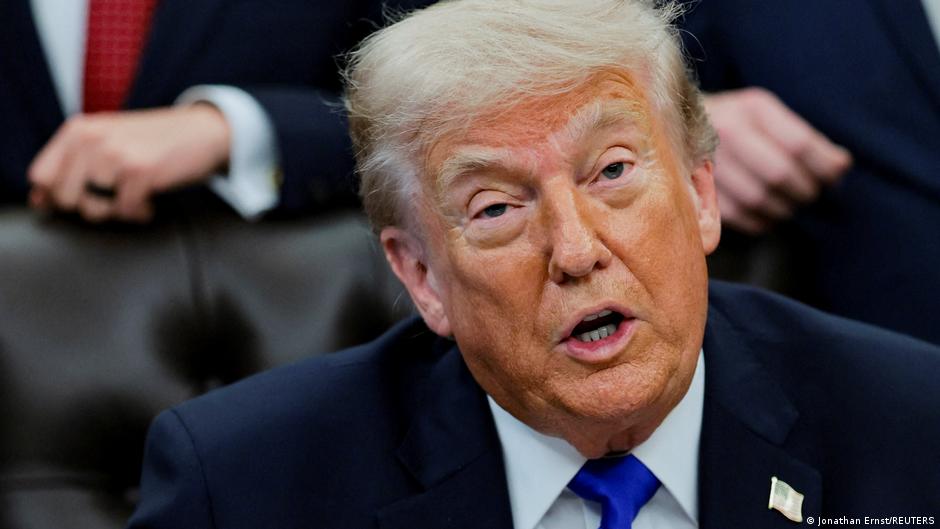
The United States and Iran are reportedly close to resolving their protracted conflict, according to US President Donald Trump during a White House press conference on May 6. Trump described the negotiations as "very good" and expressed cautious optimism about an imminent deal that could mark a strategic turning point in US-Iran relations.
"Things are going well," Trump stated. "We expect to get what we need. If we don't, we'll have to take a bigger step. But they want to make a deal." This signals a potential shift in Washington’s approach after years of heightened tensions and economic sanctions aimed at curbing Tehran's nuclear program.
Prospective Agreement and its Economic and Geopolitical Implications
Central to the negotiations is Iran's tentative agreement to halt activities related to nuclear weapons development — a critical US demand to ensure regional and global security. Although Iranian authorities have yet to publicly confirm these developments, they are reportedly reviewing the US proposal and are expected to communicate their response via Pakistan, serving as an intermediary in the talks.
"The prospect of a peaceful resolution opens pathways for stability in the Middle East and potential recalibration of global energy markets," experts note.
Recent reports from Axios indicate that the US and Iran are close to signing a one-page memorandum of understanding. This memorandum would establish a framework for a 30-day negotiation period addressing key issues such as the status of the Strait of Hormuz, Iran's nuclear program, and the lifting or easing of US sanctions.
The economic ramifications of such an agreement could be profound. The Strait of Hormuz is a strategic chokepoint through which a significant portion of the world's petroleum passes. Stabilizing this passage could reduce volatility in global oil prices, improving market predictability for energy-importing nations and fostering a more stable environment for international trade.
Moreover, the potential easing of sanctions on Iran would open avenues for the country’s reintegration into global markets, impacting sectors ranging from petroleum exports to manufacturing and finance. This reintegration could alter global supply chains and investment flows, particularly benefiting European and Asian economies eager to engage with Iran's sizable market.
From a macroeconomic perspective, the tentative deal may encourage a reassessment of risk premiums associated with Middle Eastern geopolitical instability. Financial markets, foreign direct investment, and global trade routes could respond favorably to reduced uncertainty. However, policy-makers and investors will likely weigh these optimistic signals against the durability of any final agreement and Iran's adherence to its commitments.
In summary, the potential US-Iran agreement represents a significant policy shift with wide-reaching consequences for global economic stability and geopolitical dynamics. Senior decision-makers should monitor developments closely, as they may herald new opportunities and challenges in international economic relations.