US Department of State Approves $373.6M Sale of Precision Bomb Kits to Ukraine
The approved sale of JDAM-ER kits aims to enhance Ukraine’s aerial strike range and accuracy amid ongoing conflict tensions.
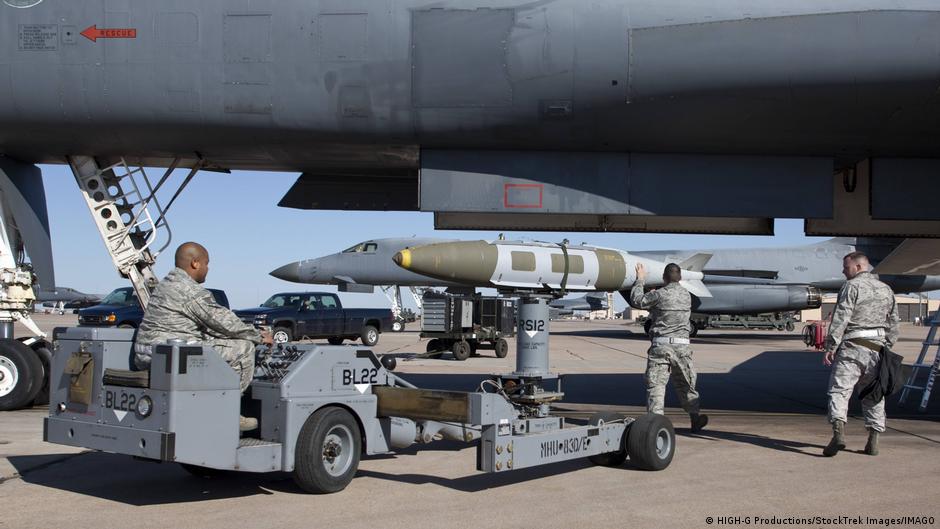
The U.S. Department of State has authorized a potential $373.6 million sale of Joint Direct Attack Munition Extended Range (JDAM-ER) kits to Ukraine, designed to significantly increase the range and precision of aerial bombs used in the conflict with Russia. This approval marks a notable policy shift, signaling continued U.S. military support amid heightened geopolitical tensions in Eastern Europe.
Strategic and Economic Implications of the JDAM-ER Sale
The JDAM-ER kits are aerodynamic tail attachments that extend the operational range of standard guided bombs by approximately 70-80 kilometers, thereby allowing Ukrainian forces to strike targets from safer distances. According to the Department of State, Ukraine has requested 1,532 units of these kits, along with related maintenance equipment, spare parts, software, and logistical services. The prime contractor for this deal will be Boeing, an American aerospace giant.
While the authorization represents a formal approval for export, it does not guarantee immediate delivery. The process involves subsequent commercial contract finalization and production phases before the equipment reaches Ukrainian forces. Initial shipments of JDAM-ER kits were reportedly delivered in 2023 as part of a broader $1.85 billion U.S. military aid package approved in the first year of Russia’s full-scale invasion.
"The JDAM-ER’s enhanced range capabilities not only increase operational flexibility but also underscore the evolving nature of U.S. military assistance, which increasingly focuses on precision and standoff engagement to adapt to contested airspace scenarios."
However, operational challenges have been reported. Some JDAM-ER kits delivered earlier became nonfunctional in spring 2023, potentially due to improper fuze installations. Additionally, Russian electronic warfare (EW) tactics have frequently interfered with GPS signals guiding the bombs, limiting their effectiveness. These setbacks highlight the complex interplay of technological, logistical, and electronic warfare factors shaping the conflict’s military dynamics.
From a macroeconomic perspective, this arms sale represents not only a direct financial investment in defense manufacturing capabilities but also a strategic reinforcement of U.S. geopolitical influence. The contract supports the American defense industrial base—anchoring jobs and technological innovation within premier companies like Boeing—while simultaneously reinforcing alliances and military partnerships in strategically critical regions.
Furthermore, the ongoing provision of advanced precision munitions signals a long-term commitment to sustaining Ukraine’s defensive posture. This sustained military engagement could influence regional security architectures, prompt recalibrations in global defense procurement policies, and affect broader economic considerations tied to international arms trade regulations.
For senior decision-makers, understanding the implications of such sales extends beyond the immediate military utility. It encompasses evaluating supply chain resilience, geopolitical risk management, and the economic ripple effects through defense sectors and allied economies. The evolving conflict demands agility in aligning defense production capabilities with shifting strategic requirements—a delicate balance with substantial economic and policy consequences.