Global Oil Reserves Shrink at Record Pace Amid Middle East Conflict and Supply Disruptions
April saw a historic 200 million barrel decline in global oil stocks despite falling demand, signaling tightening markets and potential price surges.
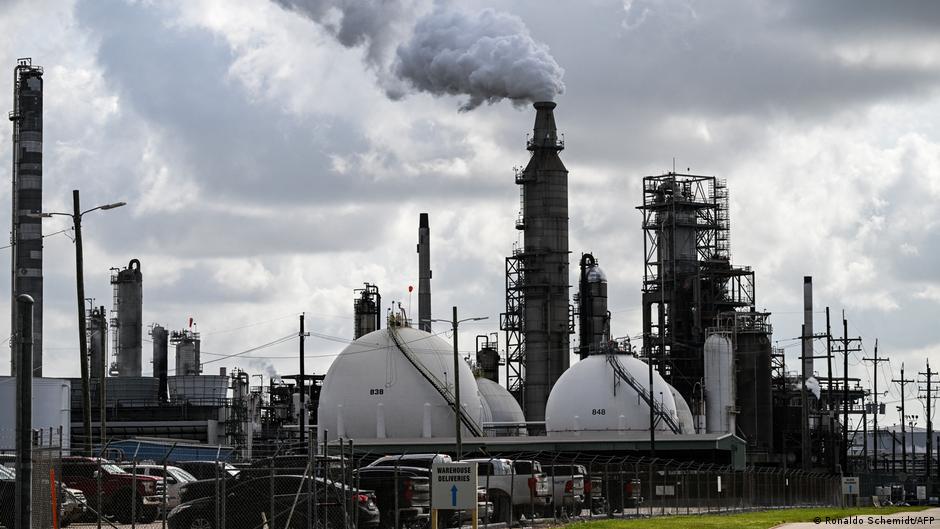
Global oil inventories contracted by a staggering 200 million barrels in April, marking the fastest depletion rate on record. This sharp decline occurred despite a significant drop in demand, driven largely by geopolitical tensions stemming from recent conflicts involving the United States, Israel, and Iran.
Supply Constraints Outpace Demand Decline
Analysts from S&P Global Energy and Goldman Sachs reported that global oil stocks fell by approximately 6.6 million barrels per day last month. This reduction happened even as consumption plunged by 5 million barrels per day, a collapse only surpassed historically during the COVID-19 pandemic. The rapid drawdown has pushed inventories to their lowest level in nearly eight years.
Regional data further underline the tight supply conditions. In Northern Europe, aviation fuel reserves dropped to a six-year low in April, according to Argus Agency. Meanwhile, the United States is on track to face historically low gasoline inventories heading into the summer vacation peak, raising concerns about domestic fuel availability during a critical consumption period.
“These are huge volumes, far exceeding the usual range,” said Jim Burkhard, head of oil market research at S&P Global Energy. “The market has not yet responded to the record pace of inventory drawdowns, so further upward pressure on oil prices is likely ahead.”
The ongoing Middle East conflict has severely constrained supply, including the effective blockage of the Strait of Hormuz, a vital artery for global oil shipments. This disruption has removed approximately 1 billion barrels of oil from the market since hostilities intensified. Traders warn that global reserves are nearing a critical threshold that could materialize within weeks, potentially triggering further market volatility.
Implications for Global Energy Security and Policy
With global oil reserves dwindling to around 4 billion barrels, much of which is tied up in operational buffers crucial for refinery and pipeline functions, the tightening supply raises significant concerns for energy security worldwide. This situation challenges policymakers to reevaluate strategic petroleum reserves and consider new measures to mitigate the risk of supply shocks.
The combination of geopolitical turmoil and constrained inventories underscores the vulnerability of global oil markets to rapid price escalations. For senior economic decision-makers, this demands a reassessment of energy policies, investment in alternative energy sources, and contingency planning to buffer against potential economic fallout from sustained high energy prices.
As the market braces for likely price increases, the broader impact could ripple through inflation, trade balances, and economic growth across both advanced and emerging economies. Effective responses will require coordinated international strategies to stabilize supply chains and promote energy resilience in an increasingly uncertain geopolitical landscape.