Renewed Iranian Missile and Drone Strikes on UAE Signal Regional Tensions Amid Fragile US-Iran Truce
Iran's recent attacks on the UAE challenge the fragile ceasefire with the US, raising concerns over regional stability and global energy security.
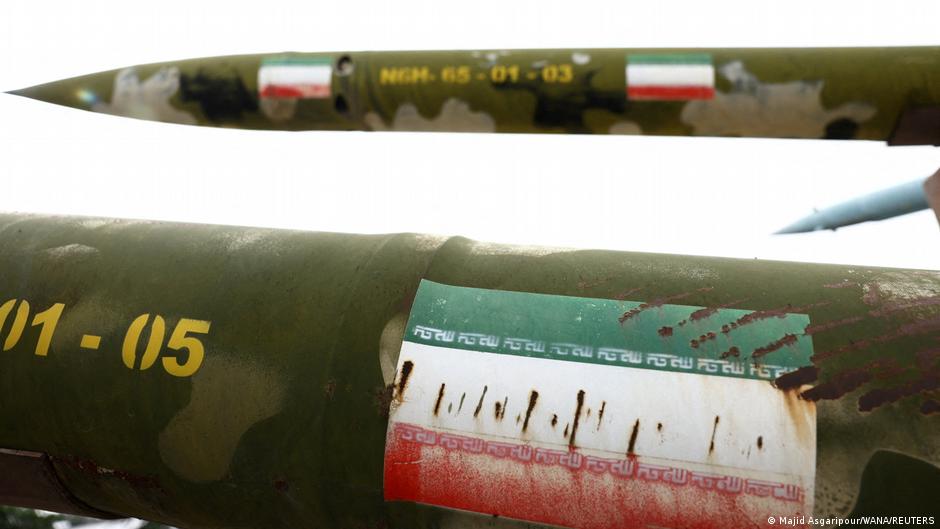
In a significant escalation of regional tensions, Iran launched a series of missile and drone attacks against the United Arab Emirates (UAE) on May 4, marking the first such strikes since the recent ceasefire agreement between Washington and Tehran.
The UAE's air defense forces intercepted a total of 19 projectiles, including 12 ballistic missiles, three cruise missiles, and four unmanned aerial vehicles (UAVs), all reportedly launched from Iranian territory, the UAE Ministry of Defence confirmed via social media.
Impact and Responses
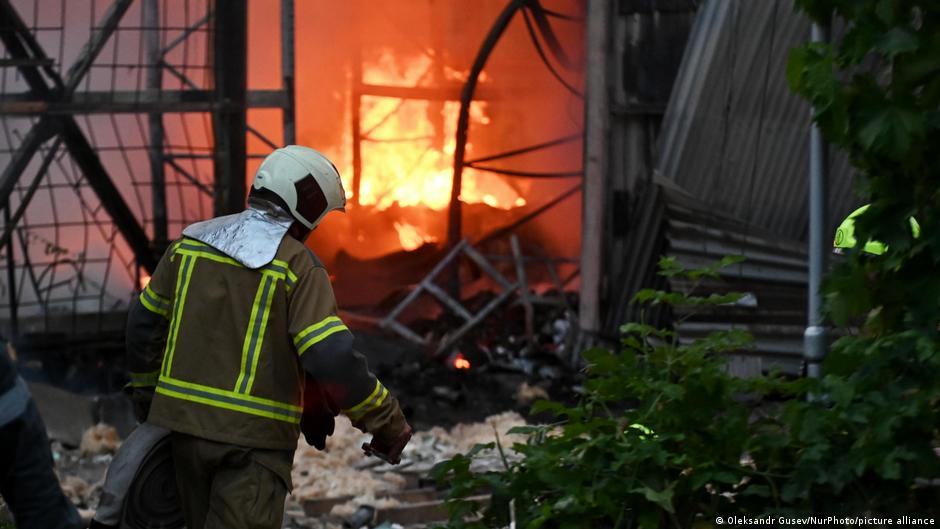
The attacks targeted key infrastructure, notably the oil industrial complex in Al-Fujairah, where an Iranian drone strike ignited a fire. The assault resulted in injuries to three Indian nationals who were hospitalized. In response to security concerns, educational institutions across the UAE shifted to online learning from May 5 to May 8.
The UAE government condemned the attacks as a "dangerous escalation," asserting its sovereign right to respond appropriately. The Ministry of Foreign Affairs emphasized that the nation reserves the full legal right to retaliate against these assaults, underscoring the serious implications for regional security.
"The UAE leaves for itself the full and legitimate right to respond to these attacks," the UAE Foreign Ministry stated.
Contrastingly, Iranian state media cited a senior military official denying any plans to attack the UAE, adding complexity to the narrative amid ongoing hostilities.
Meanwhile, Oman reported an attack on the border city of Bukha, with damage to a residential building and injuries to two expatriate workers, further indicating the spread of violence beyond the immediate conflict zone.
Broader Geopolitical Implications
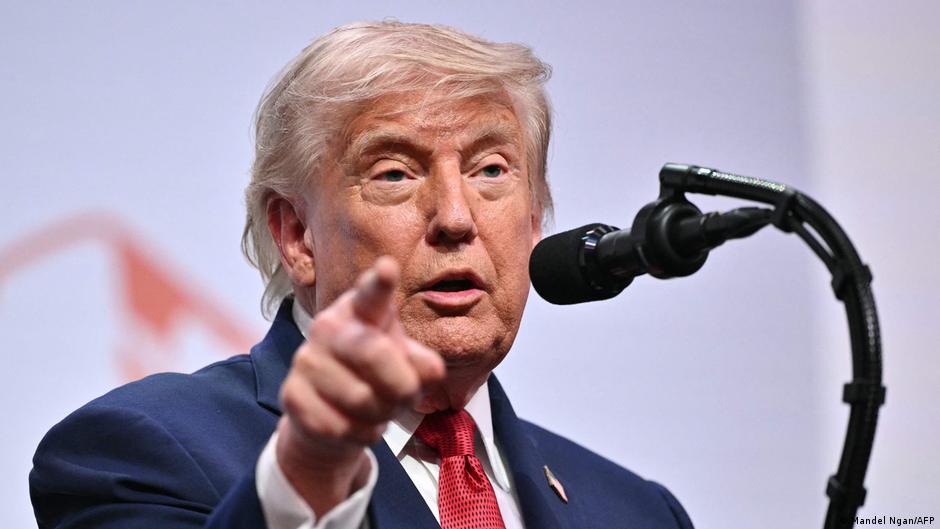
Former U.S. President Donald Trump commented on the situation via the social network Truth Social, noting Iranian strikes included attacks on a South Korean vessel in the strategically vital Strait of Hormuz. He claimed that U.S. forces had neutralized seven Iranian boats, highlighting the constrained maritime power Iran currently wields.
In parallel, the United States initiated "Project Freedom," a naval operation aimed at escorting commercial vessels through the Strait of Hormuz to ensure freedom of navigation. Iranian authorities viewed this move as a violation of the ceasefire agreement effective since April 8, warning that such interventions exacerbate tensions.
German Chancellor Friedrich Merz expressed strong solidarity with the UAE, condemning the Iranian attacks unequivocally. He called for Tehran's return to negotiation tables and stressed the urgency of halting disruptions in the Strait of Hormuz and curbing Iran's nuclear ambitions.
Merz urged: "The blockade of the Strait of Hormuz must end. Tehran must not develop nuclear weapons. There must be no further threats or attacks against our partners." His statement reflects broader European concerns about stability in the Gulf, a critical juncture for global energy supplies.
Long-term Economic and Security Consequences
The resumption of Iranian attacks marks a critical juncture, threatening to derail fragile diplomatic efforts and destabilize a region pivotal to global oil markets. Disruptions in the Strait of Hormuz, through which approximately 20% of the world’s petroleum passes, could lead to significant volatility in energy prices and global supply chains.
The UAE’s swift defensive actions demonstrate its commitment to safeguarding critical infrastructure, but the risk of escalation threatens regional economic stability and investor confidence. Ongoing hostilities may prompt policymakers worldwide to reassess risk premiums on energy imports and accelerate diversification strategies.
In sum, Iran's renewed aggression against the UAE underscores persistent geopolitical fragilities in the Gulf. The international community’s response, balancing deterrence with diplomacy, will be crucial in shaping the trajectory of regional peace and the global economic outlook.