Russian Attacks on Ukraine Persist Despite Proposed Ceasefire Ahead of Victory Day
Russia continues military strikes on Ukrainian regions despite Ukraine’s unilateral ceasefire offer before May 8-9 Victory Day celebrations.
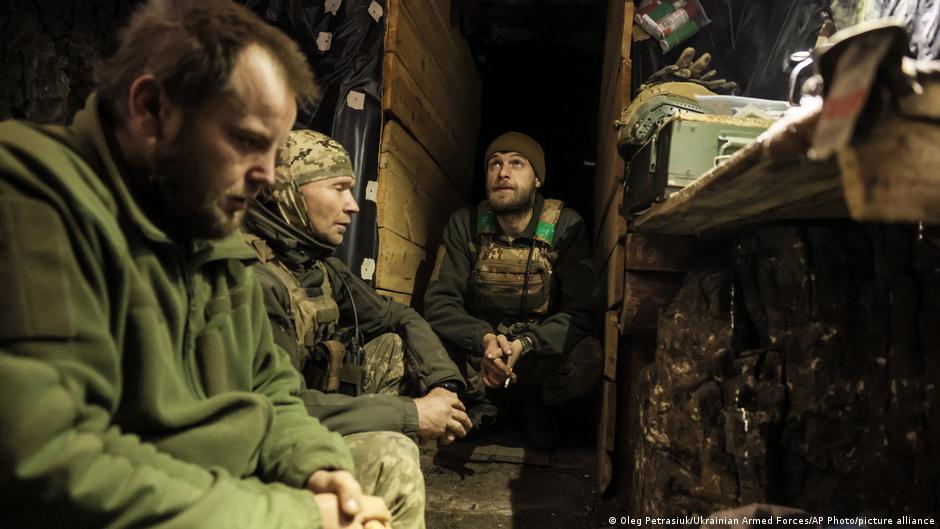
On the night of May 6, Ukraine implemented a unilateral ceasefire initiative proposed by President Volodymyr Zelensky as an alternative to Russia’s announced truce only for May 8-9. Despite this effort, Russian armed forces continued offensive operations against multiple Ukrainian regions.
Continued Hostilities Amid Attempts at Temporary Truce
The ceasefire began overnight on Wednesday, May 6, intended to de-escalate tensions during the period surrounding the Victory Day commemorations, which Russia declared it would observe with an 8-9 May truce. However, the Russian military launched attacks on Ukrainian territories including the Zaporizhzhia region, where an industrial facility was targeted according to Ivan Fedorov, head of the local military administration.
Ukrainian Air Force reports indicated the use of cruise air bombs in strikes on Zaporizhzhia, Kharkiv, Sumy, and Donetsk regions. Additionally, Russian drones were observed over Kharkiv and Dnipropetrovsk oblasts, signaling continued reconnaissance or offensive activities.
Ukrainian authorities have yet to publicly respond to the recent strikes, although President Zelensky had previously pledged a mirrored response if attacks resumed despite the ceasefire initiative.
Diplomatic and Military Context Surrounding the Ceasefire Proposal
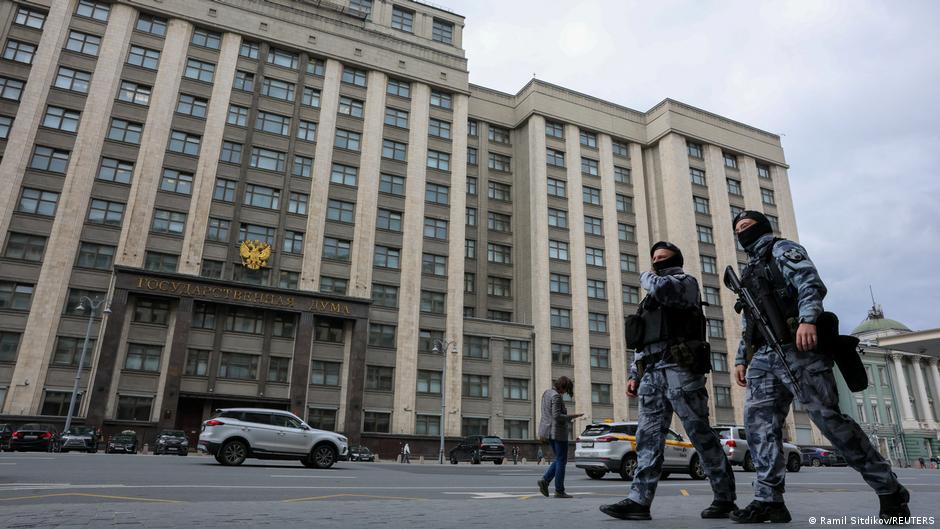
Earlier in the week, the Russian government declared a unilateral ceasefire for Victory Day on May 8-9, as announced by the Ministry of Defense. The statement included a warning that any Ukrainian attempts to disrupt the celebrations would provoke a "massive retaliatory missile strike on central Kyiv." This ultimatum was met with Ukraine's counteroffer to cease fire starting at midnight on May 6, conditional on Russia reciprocating the halt in hostilities.
President Zelensky emphasized the primacy of human life over symbolic celebrations, stating:
"I consider human life incomparably more valuable than any anniversary 'celebration.'"
Furthermore, Kirill Budanov, head of Ukraine’s presidential office, affirmed Kyiv’s readiness to maintain the ceasefire if Russia refrains from attacks beyond the Victory Day period.
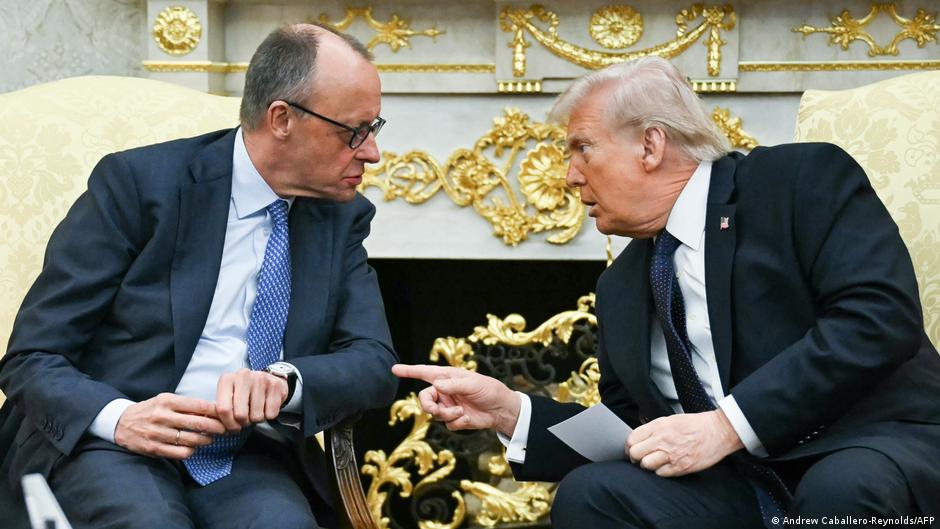
Insights into the origin of the temporary ceasefire idea reveal it was first discussed by Russian President Vladimir Putin in a conversation with former US President Donald Trump, as reported by Putin’s aide Yuri Ushakov on April 29. Officially, Russia also notified Ukraine of its intent to pause hostilities during Victory Day.
Human and Economic Toll Amid Ongoing Conflict
Despite ceasefire propositions, May 5 saw a surge in Russian strikes on Ukrainian cities including Dnipro, Zaporizhzhia, and Kramatorsk, resulting in over 20 civilian fatalities. These attacks underscore the persistent volatility and human cost of the conflict, even as diplomatic gestures for temporary peace are made.
In a related incident, Sergey Aksyonov, the Russian-installed head of annexed Crimea, reported that a Ukrainian drone attack on the city of Dzhankoi caused five civilian deaths. This claim followed shortly after Ukrainian drone operations were publicly noted on May 5. Ukrainian authorities have not commented on the incident in Crimea.
The continuation of hostilities despite ceasefire offers highlights the complex dynamics at play, with significant implications for regional stability and global economic conditions. The persistence of conflict disrupts supply chains, energy markets, and international diplomatic relations, factors crucial to senior decision-makers monitoring geopolitical risk and economic forecasts.