US Announces New Phase in Iran Negotiations Amid Military Posturing
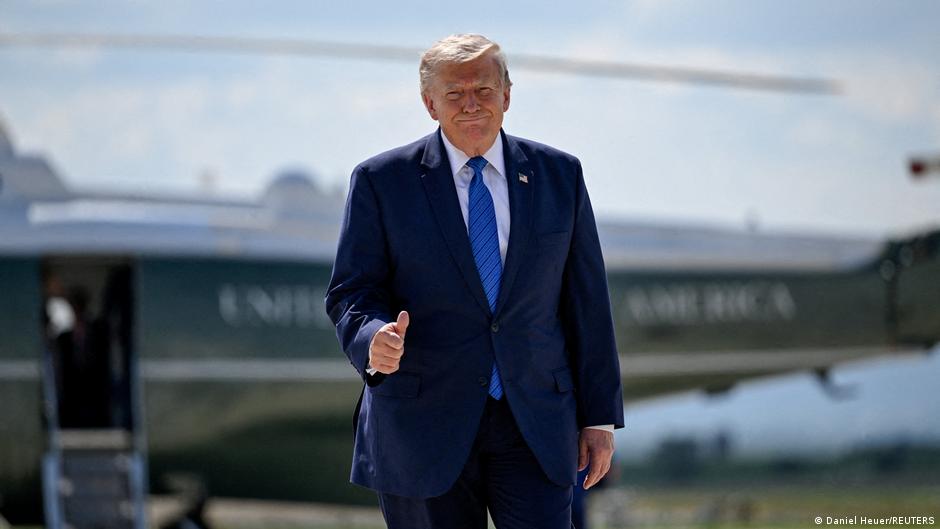
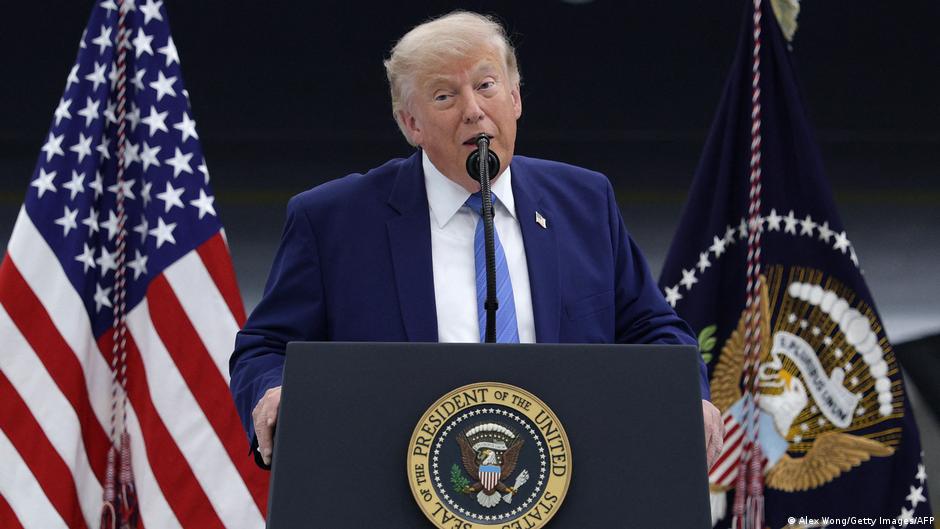
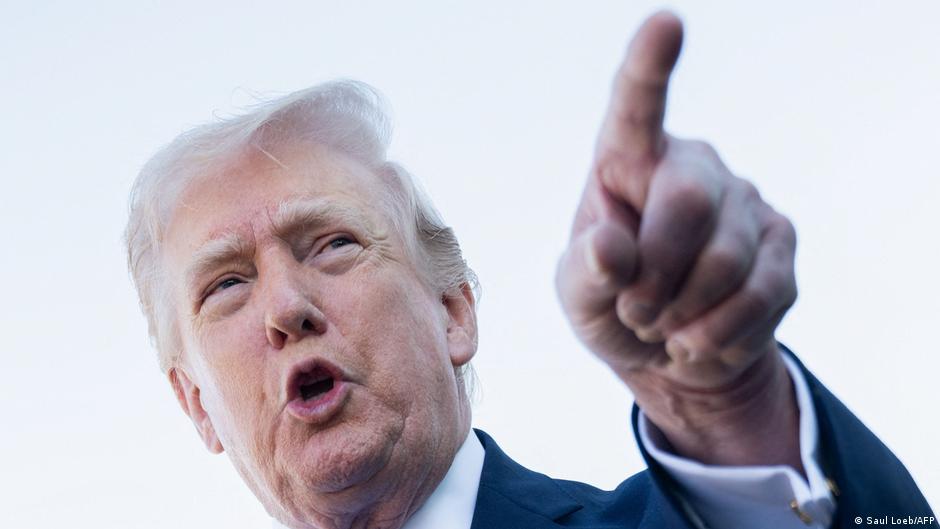
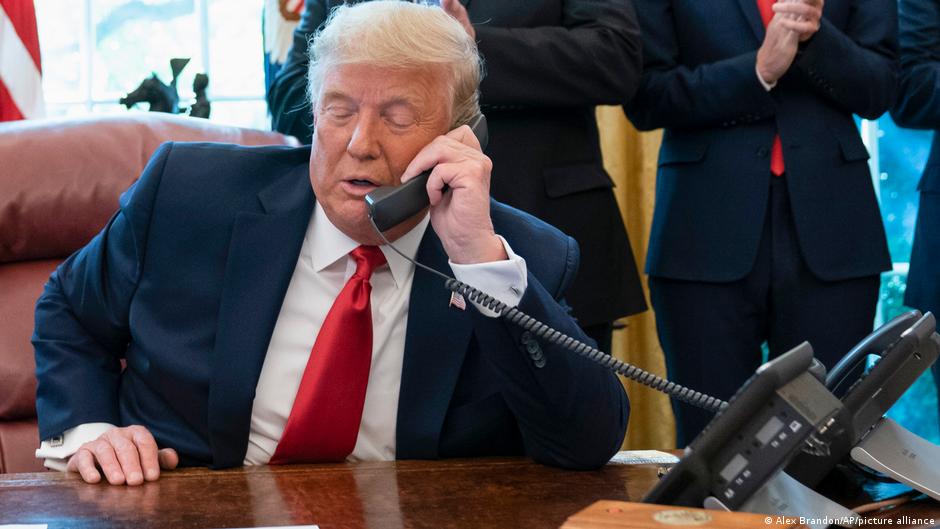
President Trump announced new talks with Iran starting August 3, delaying further military strikes and signaling a potential shift toward diplomacy amidst Middle East tensions.

President Trump announced new talks with Iran starting August 3, delaying further military strikes and signaling a potential shift toward diplomacy amidst Middle East tensions.

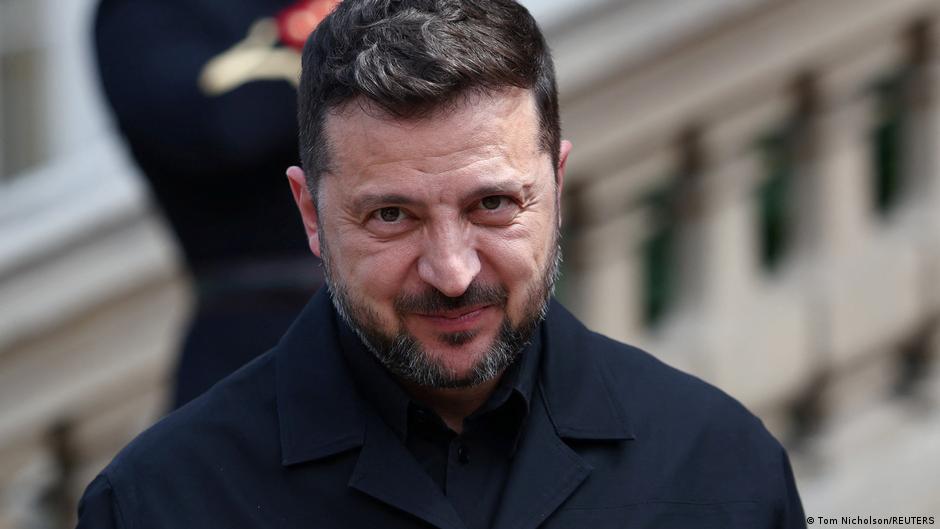
President Zelensky visits Washington to meet all U.S. Senators as the Senate prepares to vote on new sanctions against Russia amid ongoing geopolitical and economic tensions.

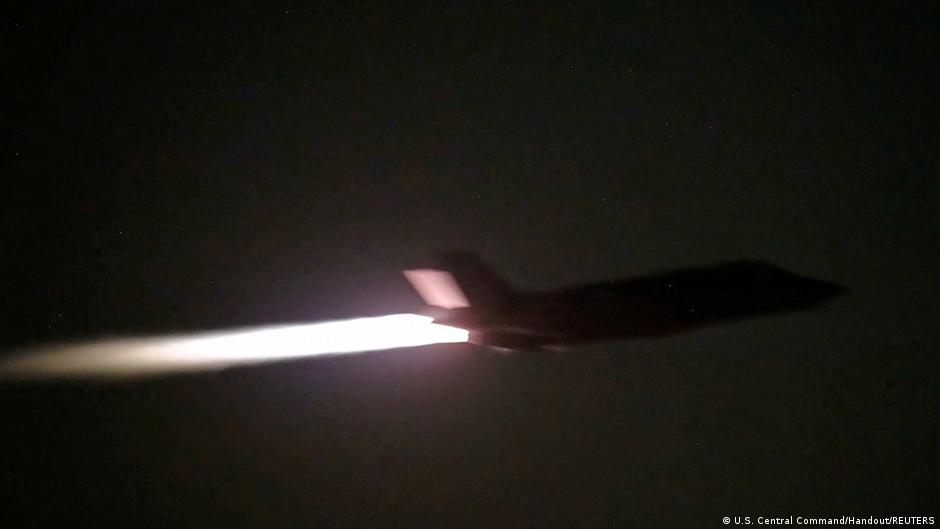
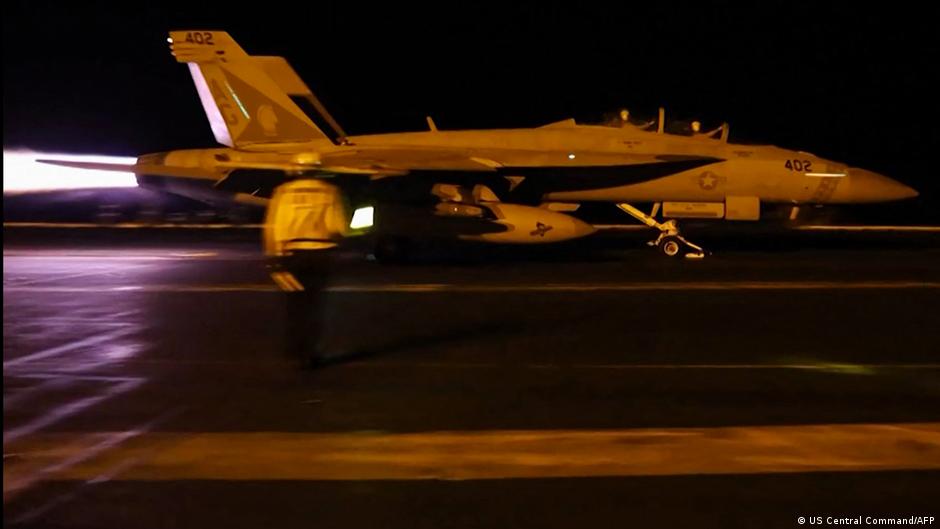
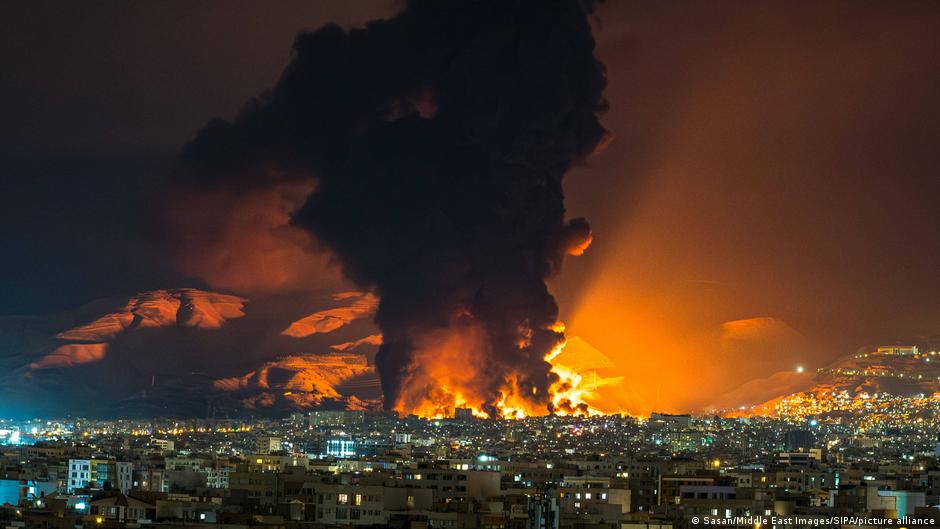
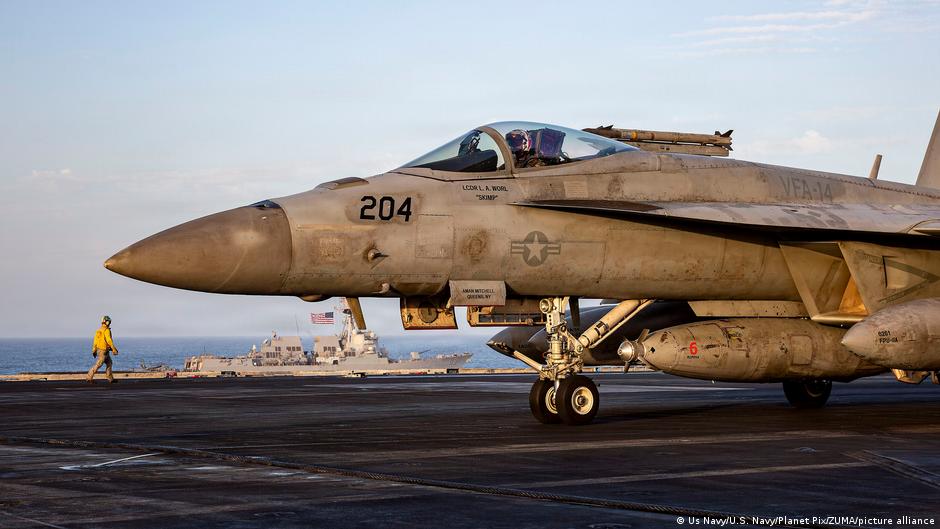
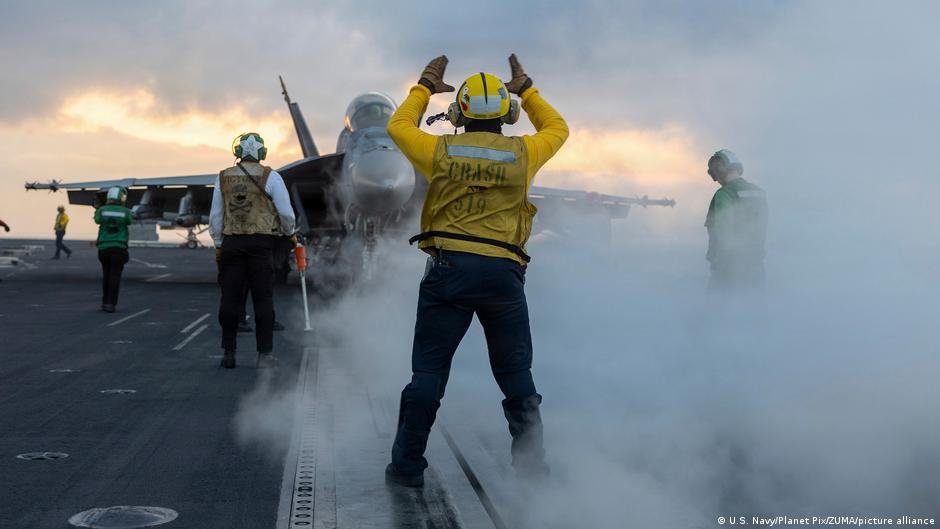
The US has conducted 11 consecutive nights of strikes against Iranian military targets, escalating tensions in the Gulf and threatening key global energy routes.

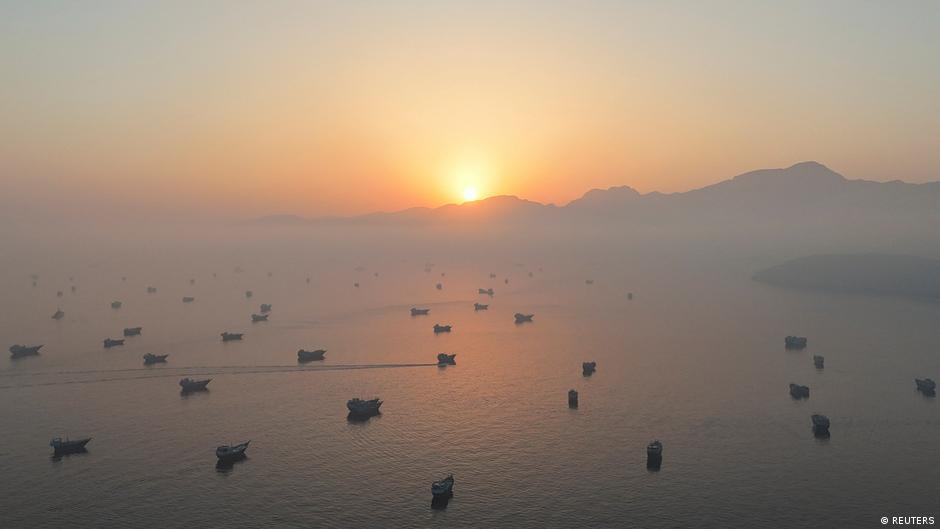
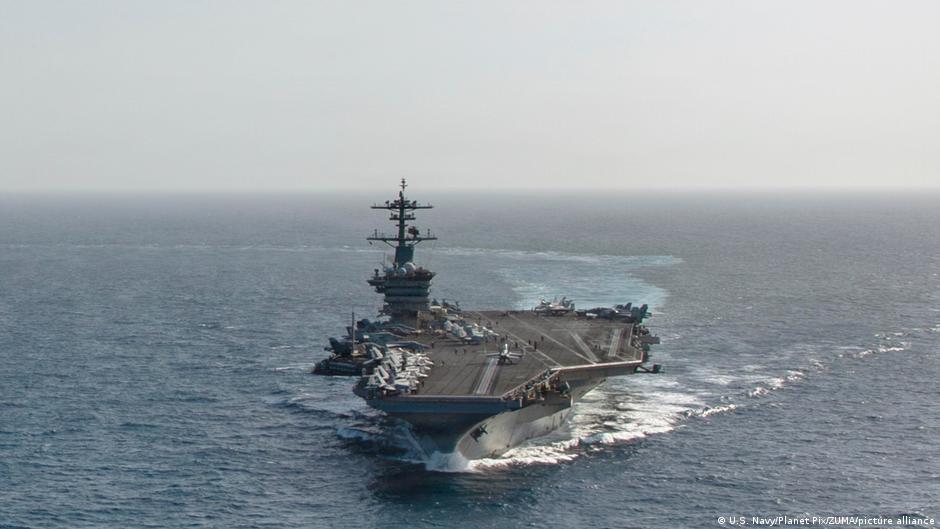
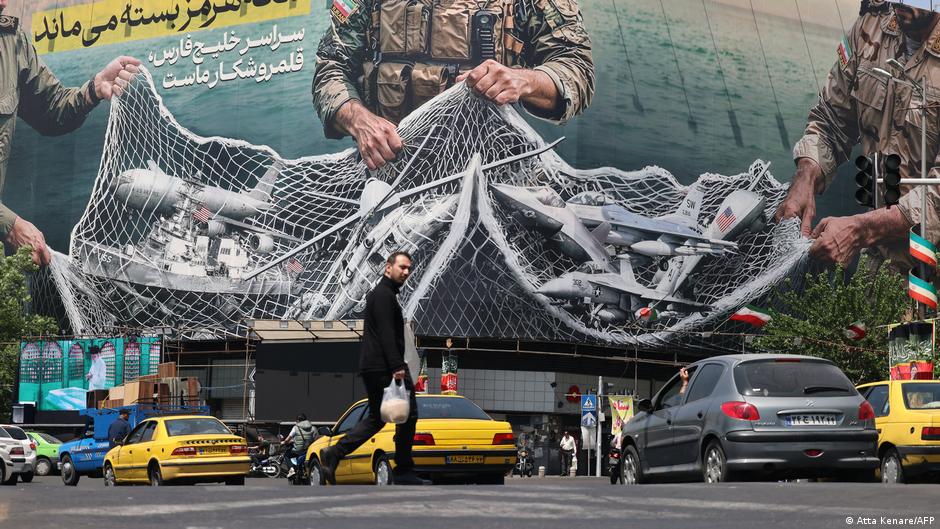
The US military continues its offensive against Iran, targeting strategic sites in the Strait of Hormuz amid escalating regional tensions with significant global economic implications.

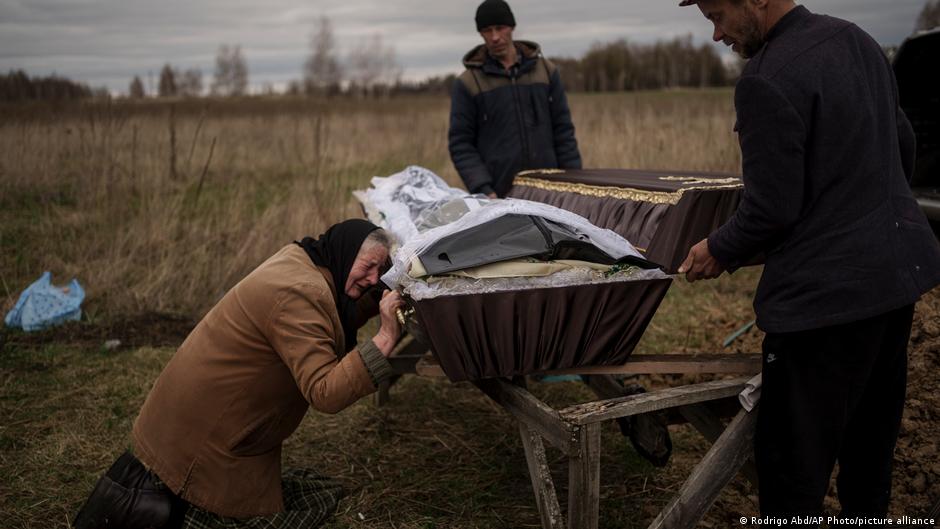
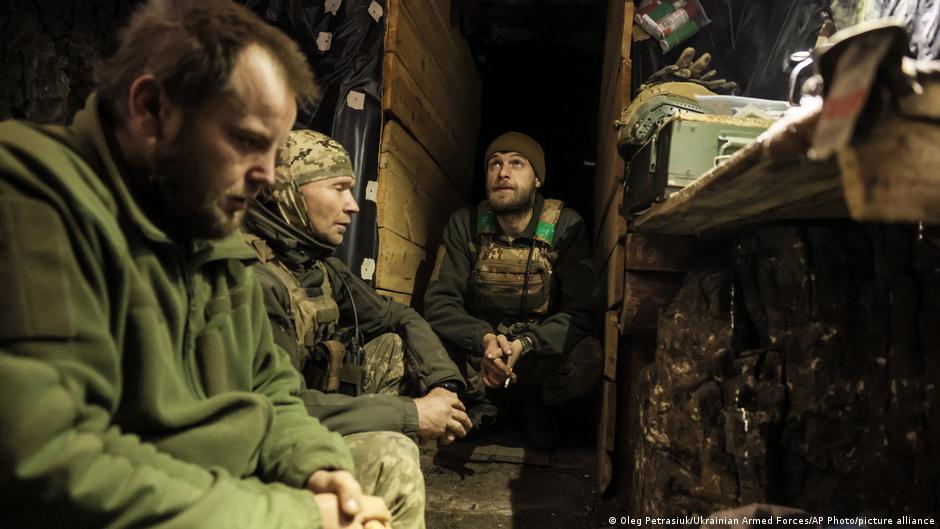
June 2026 saw the highest civilian casualties in Ukraine since the Russian invasion began, signaling escalating conflict with profound economic and geopolitical ramifications.
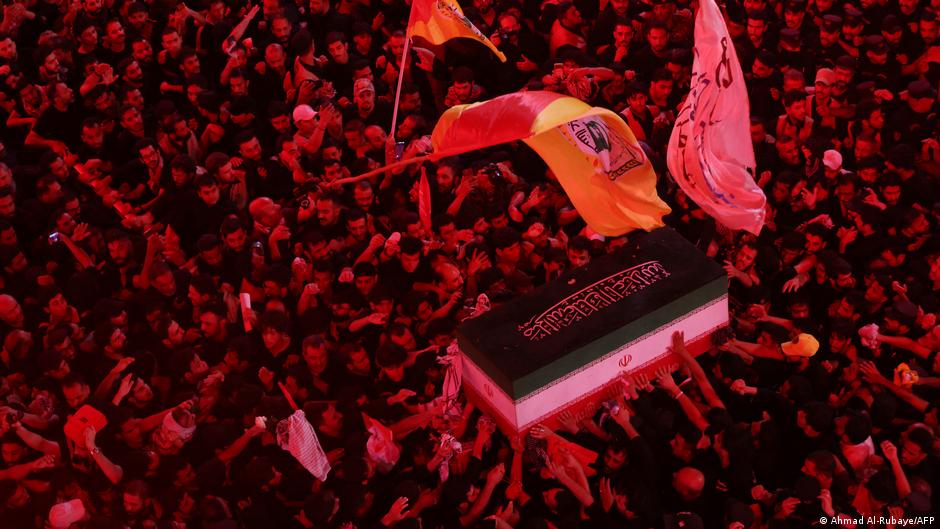
Iran held a private funeral for former Supreme Leader Ali Khamenei amid ongoing U.S.-Iran tensions, with uncertainties around leadership succession and renewed regional hostilities.

The US has launched new military strikes against Iran to prevent shipping disruptions in the Strait of Hormuz, intensifying regional tensions and threatening global energy security.

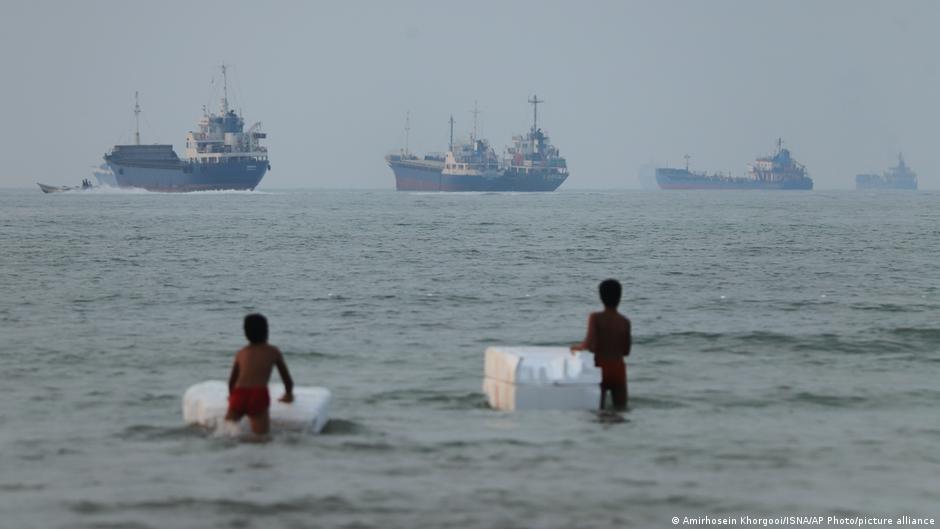
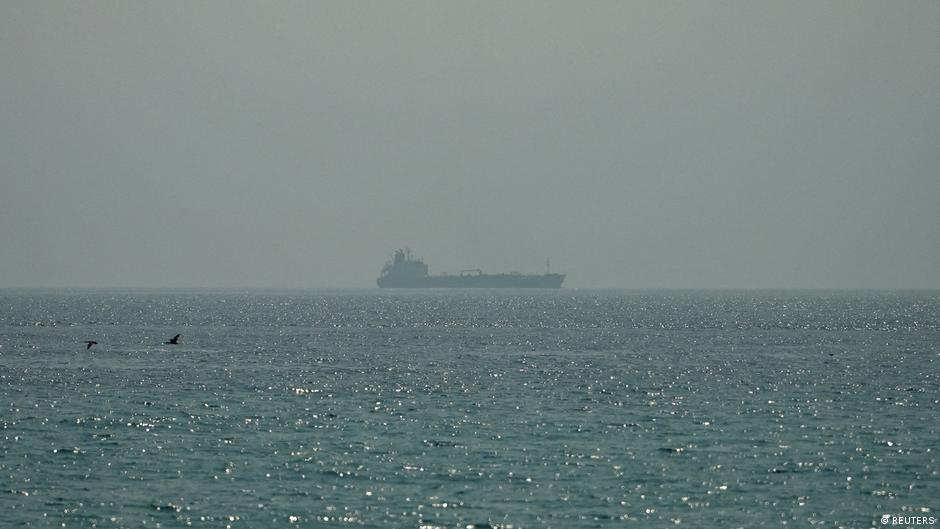
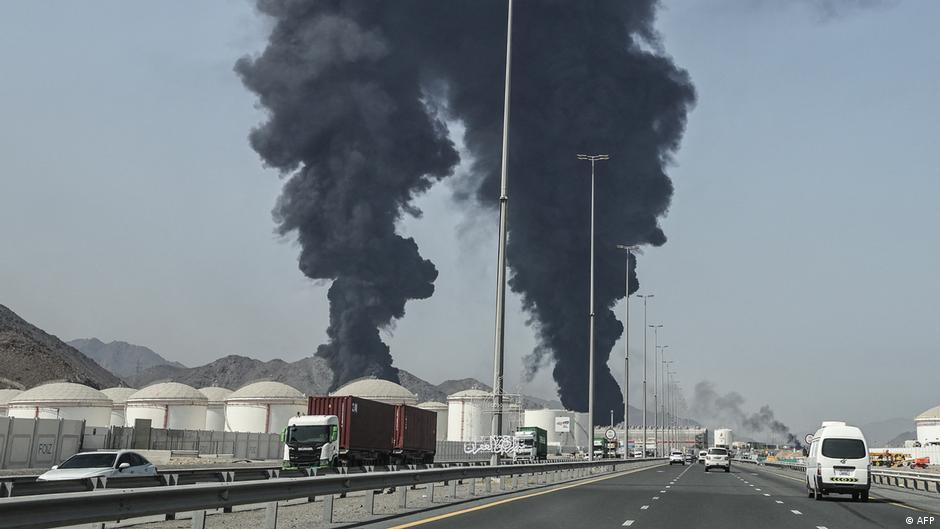
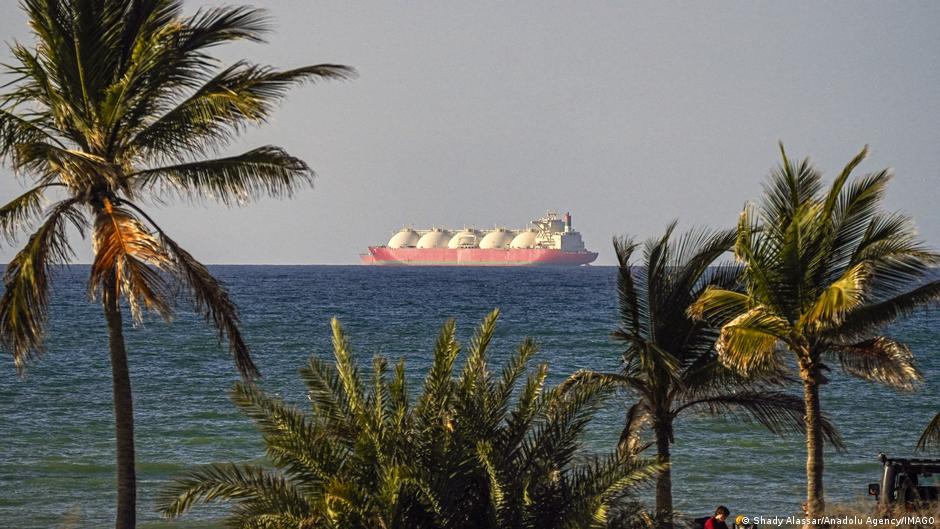
US military strikes on Iran follow attacks on tankers near the Strait of Hormuz, escalating Gulf tensions with significant implications for global energy security and maritime trade.

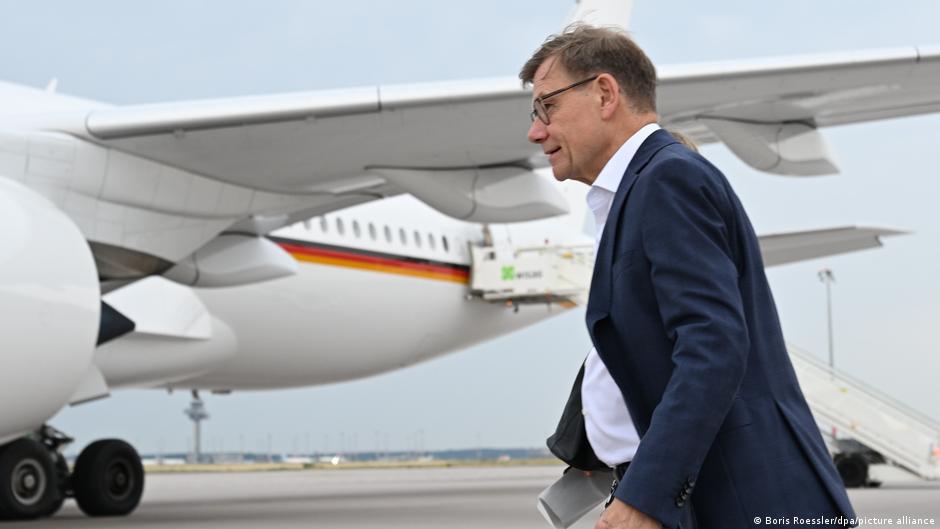
German and US foreign ministers reaffirmed their indispensable partnership amid global economic instability and discussed NATO burden-sharing and support for Ukraine.

The US and Iran have agreed on a temporary ceasefire until June 30 to discuss reopening the strategically vital Strait of Hormuz, impacting global energy markets and regional security.

US forces struck Iranian military sites following attacks on commercial vessels in the Strait of Hormuz, heightening geopolitical risks to global energy supply and economic stability.

US and Iran exchanged military strikes after Iran attacked a commercial vessel in the Strait of Hormuz, escalating tensions that threaten global oil supply chains and economic stability.

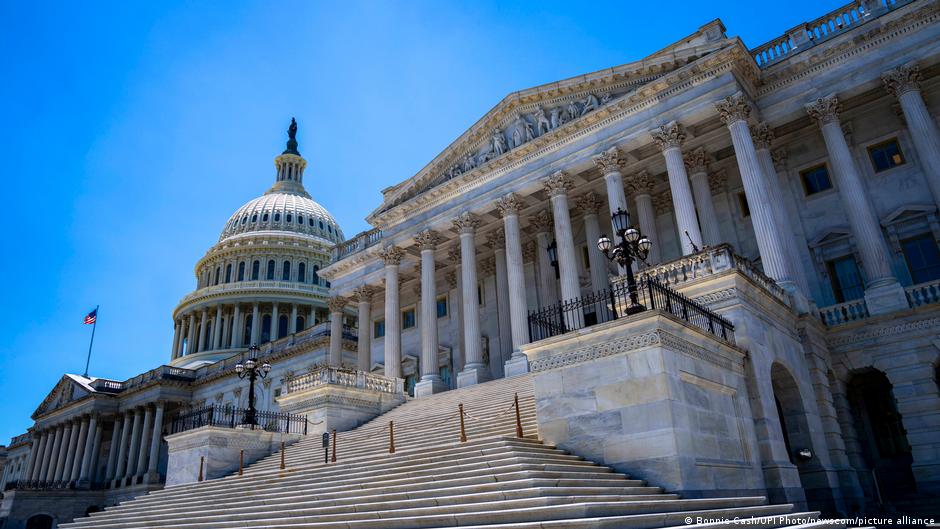
The U.S. Senate passed a non-binding resolution urging troop withdrawal from Iran conflict zones, reflecting growing concerns amid ongoing peace negotiations and regional instability.

The US threatens to impose fees for passage through the Strait of Hormuz if Iran deal fails, highlighting risks to global oil supply and maritime security.

U.S. intelligence warns Israel may attempt to undermine the U.S.-Iran nuclear deal, risking increased Middle East instability and complicating global economic and policy landscapes.

US envoy Stephen Witkoff travels to Switzerland for nuclear talks with Iran, delayed by Lebanon conflict, with major economic stakes tied to ceasefire and sanctions relief.

The US ends its blockade of the Strait of Hormuz under Trump’s directive, opening a 60-day negotiation period with Iran and easing tensions in global oil markets.

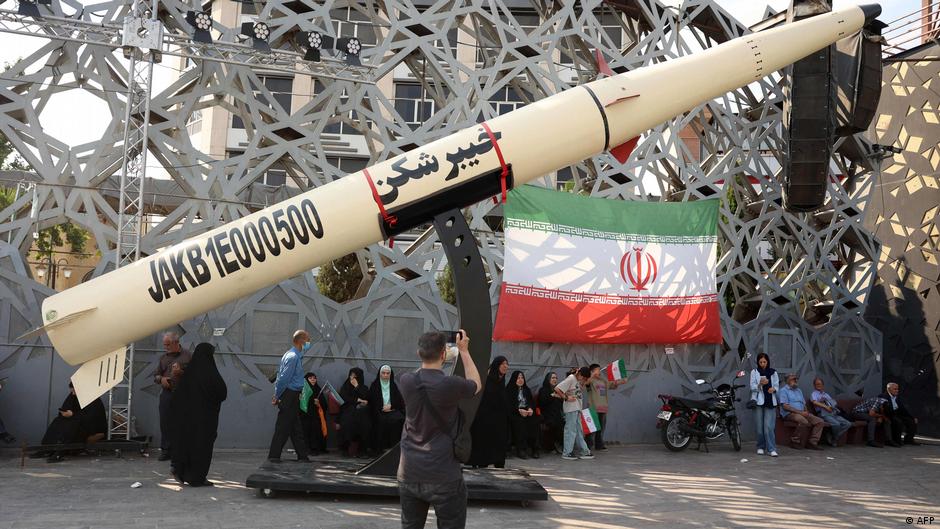
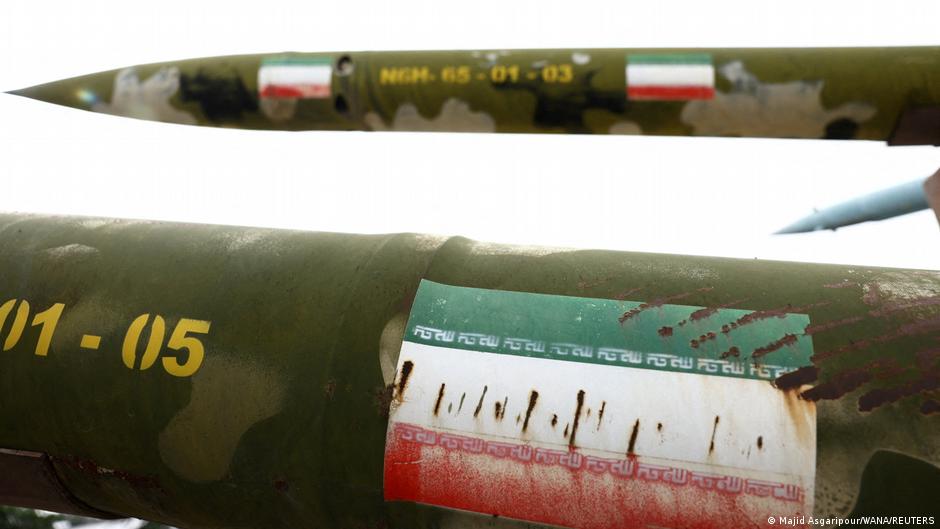
Iran has restored the majority of its missile arsenal, potentially aided by recent Russian arms transfers, complicating Middle East peace prospects and global energy stability.

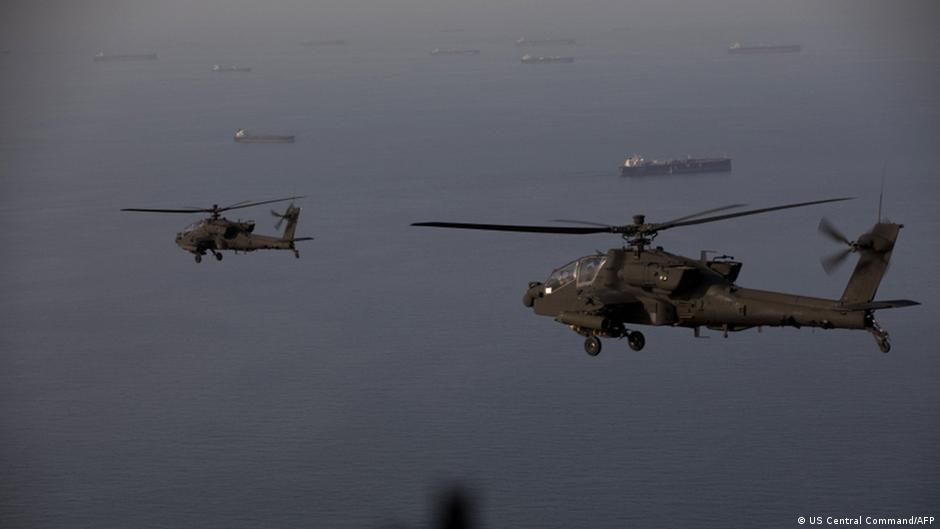
US forces struck Iranian air defense sites after Tehran downed a US Apache helicopter near the Strait of Hormuz, escalating tensions with significant global economic implications.

US forces intercepted Iranian kamikaze drones threatening maritime routes in the Strait of Hormuz and struck radar installations to prevent further attacks amid rising Gulf tensions.

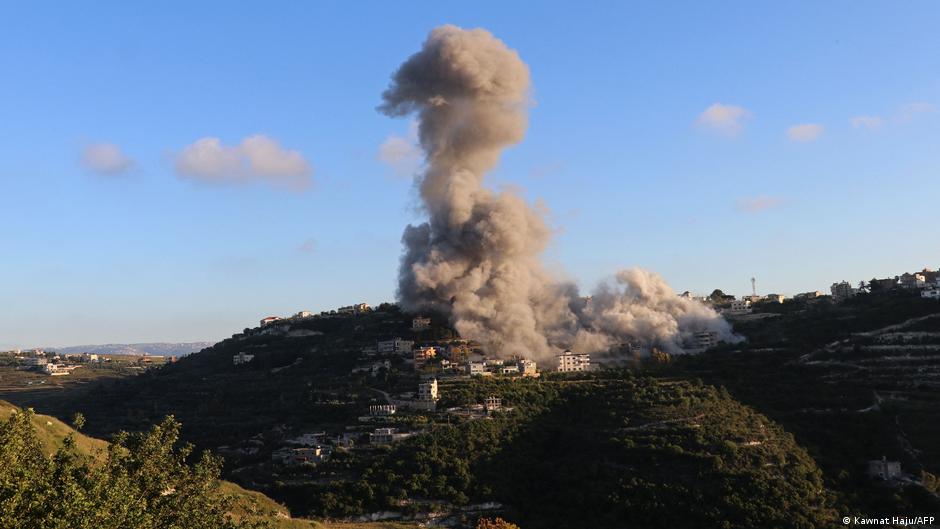
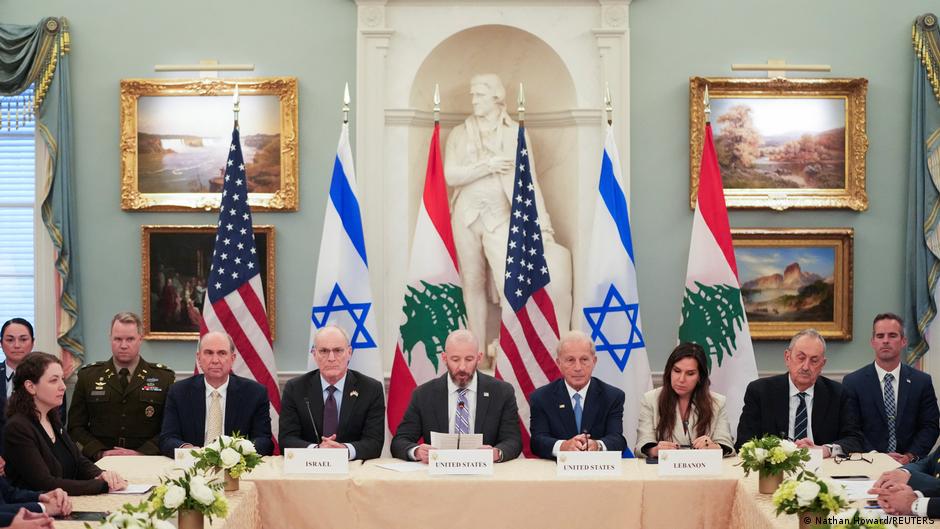
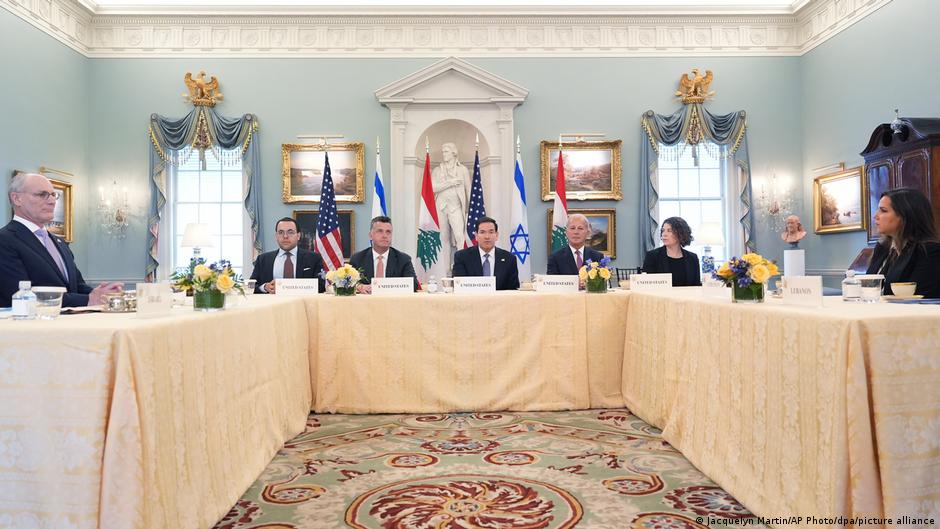
Israel and Lebanon, under US mediation, have agreed to a ceasefire requiring Hezbollah's withdrawal and cessation of hostilities, a move with significant regional and global economic implications.

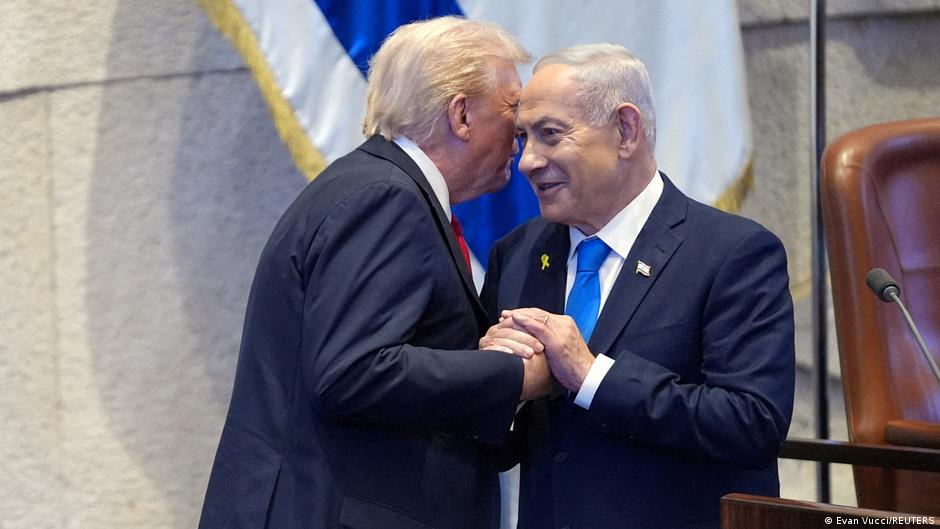
Trump rebuked Netanyahu over Lebanon strikes, highlighting risks to regional stability and US diplomatic efforts amid ongoing Middle East tensions.

US forces conducted defensive strikes on Iranian missile sites and mine-laying vessels amid a fragile ceasefire, highlighting ongoing regional tensions and economic risks.

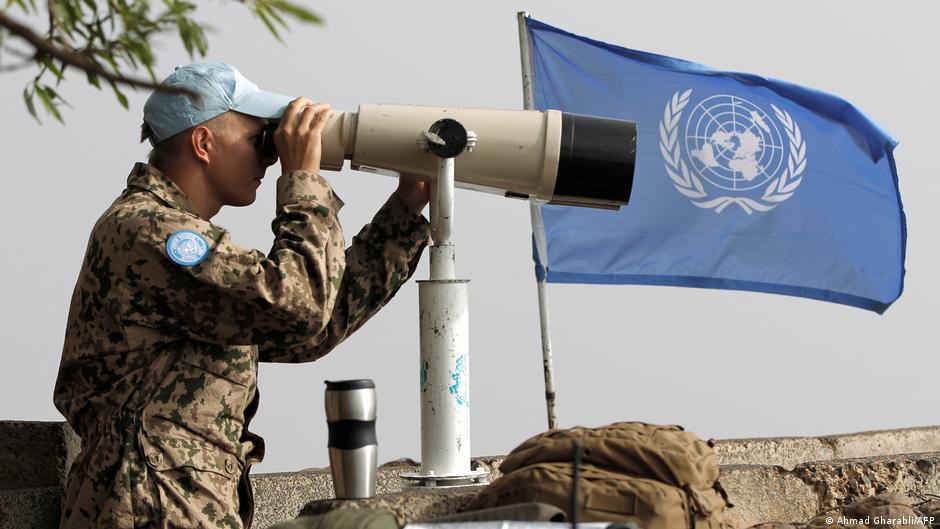
UN peacekeeping personnel have dropped to a 25-year low due to geopolitical tensions and funding shortfalls, threatening the future of multilateral conflict resolution, SIPRI warns.

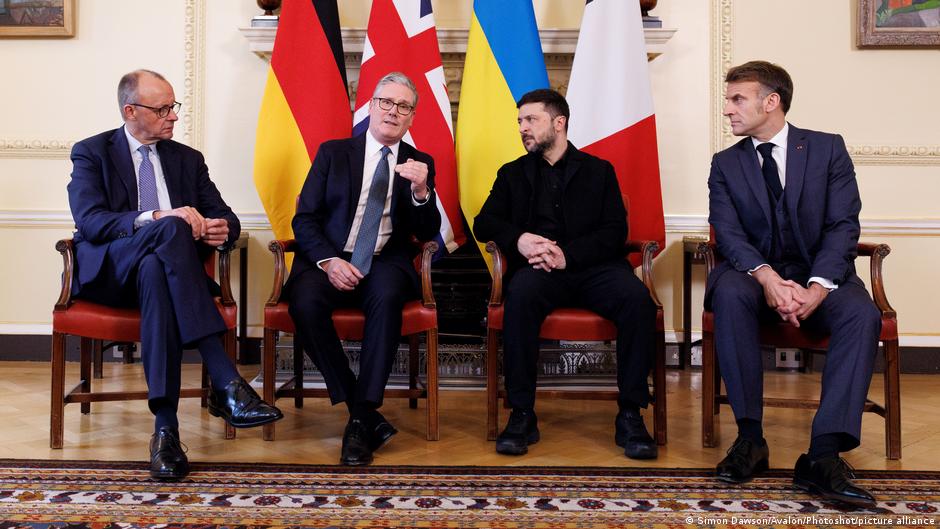
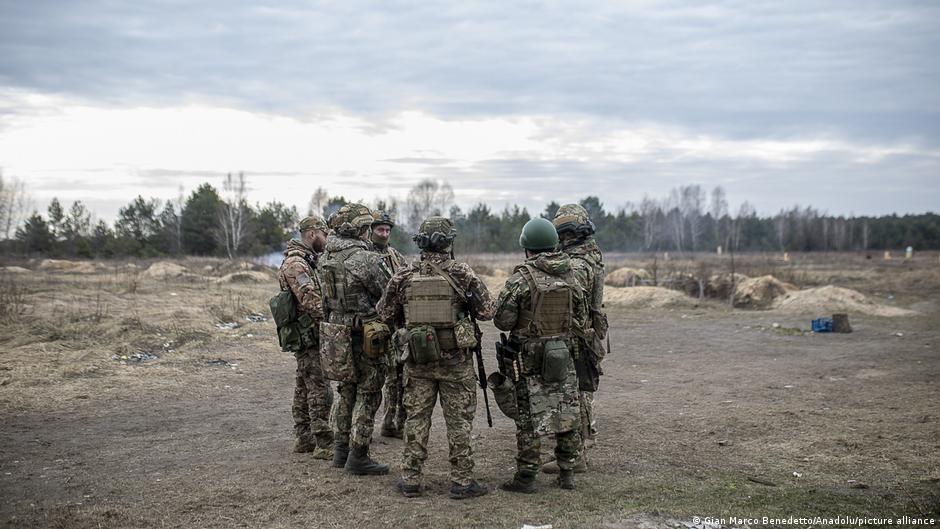
Ukraine and European leaders convened to discuss reinvigorating diplomacy to end the war with Russia amid shifting global priorities and evolving conflict dynamics.

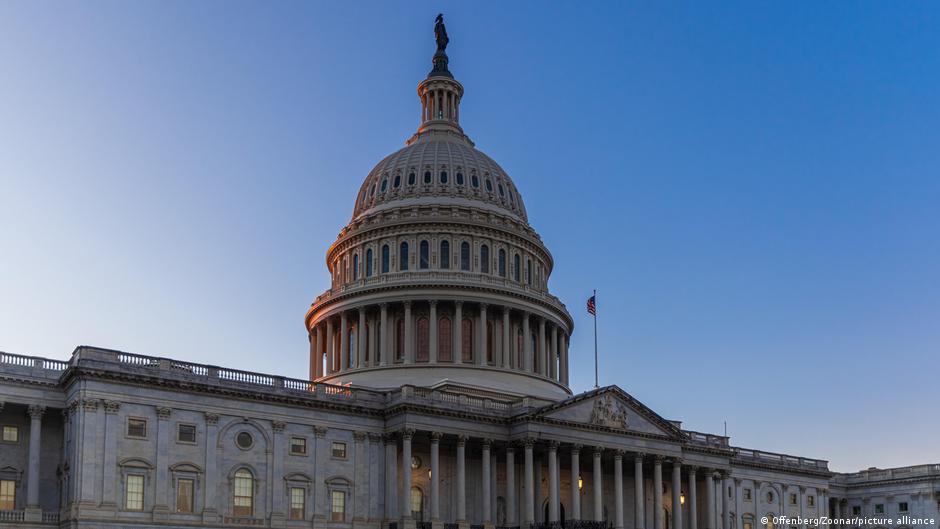
The US Senate advances a resolution demanding presidential Congressional approval for military actions against Iran, highlighting a shift toward legislative oversight and potential policy changes.

The US has postponed a planned military strike on Iran following appeals from Gulf leaders, initiating complex negotiations with far-reaching geopolitical and economic consequences.

The UAE has secretly conducted military strikes against Iran, marking a strategic shift amid rising Gulf tensions that impact regional stability and global economic interests.

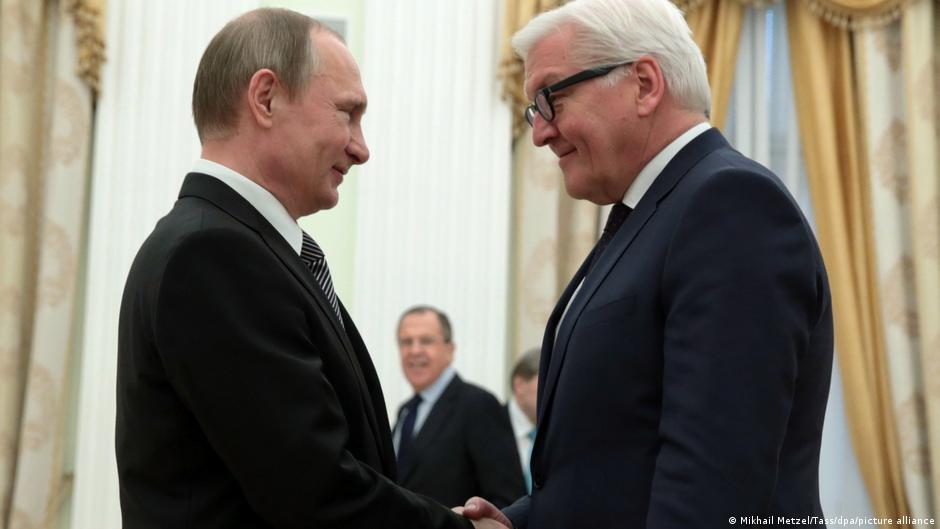
Germany considers President Steinmeier to represent the EU in Ukraine peace talks with Russia, amid skepticism over Moscow's negotiation intentions and strategic motives.

The May 9 ceasefire between Russia and Ukraine was used by both sides for troop rotations and logistical preparations, while sporadic hostilities continued, reflecting enduring conflict dynamics.

Russia ignored Ukraine's unilateral ceasefire proposal, continuing strikes ahead of May 8-9 Victory Day, escalating conflict with significant human and economic costs.

Iran’s missile and drone attacks on the UAE challenge the US-Iran ceasefire, raising risks for regional stability and global energy security.

Iran has presented a 14-point peace plan to the US detailing key conditions to end the Middle East conflict, while Washington remains skeptical about its acceptance.

Italy and Germany call for adherence to international law following Israel’s halt of a humanitarian flotilla to Gaza, emphasizing the need for responsible actions amid complex geopolitical tensions.

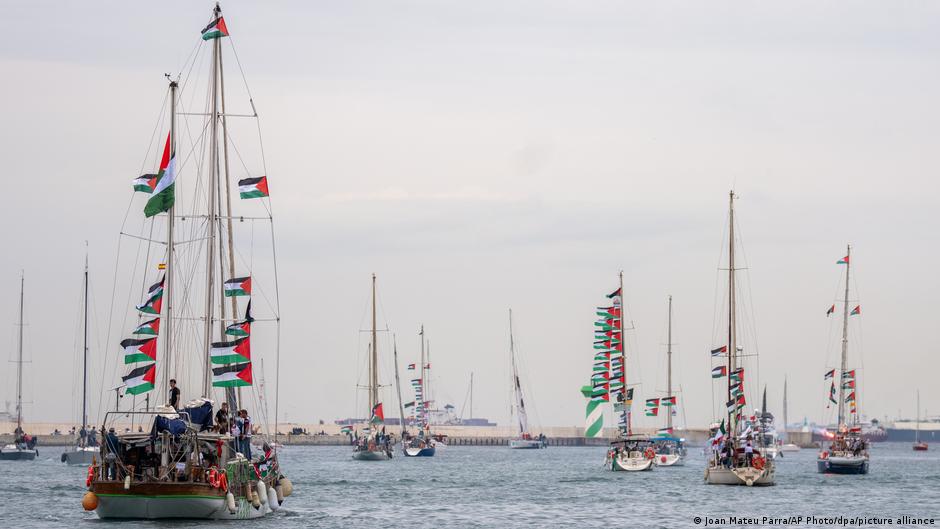
Israeli forces detained multiple humanitarian aid ships from the Global Sumud Flotilla aiming to breach Gaza's maritime blockade, highlighting ongoing geopolitical and economic challenges.

US threats against Iran have driven Brent crude oil prices above $119 per barrel, raising concerns over long-term energy supply disruptions and global economic impacts.

The US stops sending envoys to Pakistan for Iran talks, citing strategic advantage and logistical inefficiency amid ongoing Middle East ceasefire and diplomatic uncertainty.

The US announces a three-week extension of the Israel-Lebanon ceasefire, marking historic diplomatic progress with potential long-term regional stability and economic benefits.

Iran accuses the US of violating a ceasefire after US forces seized an Iranian cargo ship in the Strait of Hormuz, heightening geopolitical and economic risks.

President Trump rejects NATO assistance in the Strait of Hormuz, while European nations prepare a peacekeeping mission amid ongoing Middle East tensions.

Germany authorized millions in arms exports to Israel during the US-Israel conflict with Iran, revealing complex export policies amid geopolitical tensions and partial embargoes.