US Military Conducts Defensive Strikes in Southern Iran Amid Ongoing Ceasefire
US forces targeted Iranian missile sites and mine-laying vessels in self-defense, underscoring fragile regional stability and potential economic ramifications.
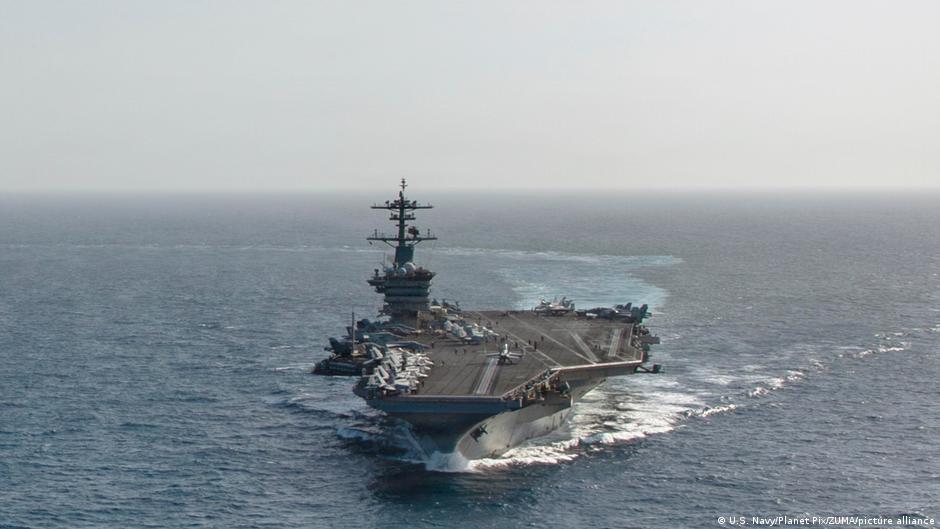
In the early hours of May 26, the United States Central Command (CENTCOM) announced that American military forces carried out "defensive strikes" against strategic targets in southern Iran. These targets included missile launch sites and vessels suspected of attempting to lay naval mines, actions deemed necessary to protect US personnel in the region.
Context and Military Justification
Todd Hawkins, a CENTCOM spokesperson, emphasized that these operations were conducted strictly for self-defense against perceived threats from Iranian forces. The statement highlighted US efforts to maintain restraint and uphold the terms of the existing ceasefire, which has been in effect since April 8.
"CENTCOM continues to ensure the protection of our troops while exercising restraint during the current ceasefire," Hawkins stated.
This military engagement signals ongoing tensions despite diplomatic efforts between the United States and the Islamic Republic of Iran. Earlier, on May 25, then-President Donald Trump expressed cautious optimism on social media, noting that peace talks were progressing well. Yet, he simultaneously issued a stern warning that failure to reach a comprehensive agreement could escalate conflict to unprecedented levels.
Implications for Global Economic Stability and Policy
The US strikes against Iranian targets carry significant macroeconomic implications. The Persian Gulf region remains a critical artery for global energy supplies, and any escalation in military confrontations threatens oil price volatility and supply chain disruptions.
Energy markets, already sensitized by geopolitical risks, may respond to such incidents with heightened uncertainty, impacting inflation and economic growth worldwide. For policymakers and senior economic decision-makers, these events underscore the importance of integrating geopolitical risk assessments into economic forecasting and strategic planning.
Furthermore, the ceasefire's fragile status raises concerns about the durability of diplomatic solutions in the region. An escalation could prompt shifts in US foreign policy, influencing trade relations, sanctions frameworks, and international cooperation on energy security.
Strategically, the strikes demonstrate a US commitment to deterrence but also reveal the complexities inherent in balancing military action with diplomatic engagement. For global markets and governments, vigilance remains crucial as developments unfold.