Tanker Fire Off Sochi Highlights Black Sea Risks to Oil and Trade
The incident near Sochi underscores how attacks on shipping in the Black Sea are widening economic risks around energy flows, insurance, and regional security.

A tanker linked by media reports to Russia's so-called shadow fleet caught fire in the Black Sea off the coast of Sochi, prompting local authorities in the federal territory of Sirius to close beaches temporarily and urge residents to limit time outdoors. The crew was evacuated, according to local officials.
Dmitry Plishkin, head of the Sirius administration, said on Tuesday, October 6, that an oil tanker had caught fire off the Sochi coast. In response, Sirius beaches were temporarily closed. Plishkin asked residents to avoid prolonged time outside and, where possible, not to open windows indoors.
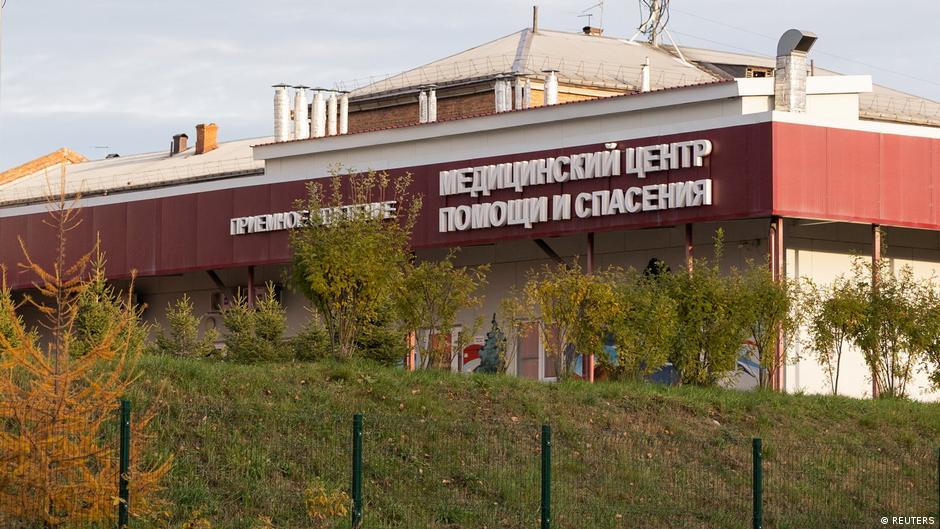
Russia's transport ministry said the Liberia-flagged vessel, carrying oil, had been attacked by unmanned boats. The ministry issued the statement after a meeting of the headquarters set up to deal with the consequences of the attack on the tanker Aframax Rio off the Black Sea coast.
“At present, oil is burning openly in the Black Sea. Firefighting can begin after the intensity decreases, when rescue vessels can safely approach the tanker.”
The ministry added that available forces and resources were sufficient to eliminate the consequences of the incident. The statement did not give an estimate of the volume of oil involved in the fire or the potential environmental damage.
Energy Flows Face a Wider Risk Premium
The incident matters beyond the immediate emergency because it occurred on a route connected to Russian oil exports and maritime trade through the Black Sea. The outlet Astra also reported that the vessel was the Aframax Rio, sailing under the Liberian flag, and said it can carry up to 100,000 tonnes of oil. The Telegram channel Mash reported that the tanker was transporting crude oil from Novorossiysk to India and was loaded nearly to capacity.
Mash said the crew of 23 was successfully evacuated and that two people were injured. These details, if borne out, point to the scale of exposure when large oil cargoes move through a maritime zone affected by military action, sanctions pressure, and disrupted diplomacy.
For senior economic decision-makers, the key implication is not only the fate of one ship. It is the growing security cost attached to Black Sea logistics. Any sustained threat to vessels can increase insurance premiums, complicate chartering, lengthen routes, and add uncertainty to energy procurement. Even where cargoes continue to move, risk pricing can affect margins for traders, refiners, and downstream buyers.
The Black Sea remains a critical corridor for Russian oil, regional agricultural exports, and broader trade flows. A tanker fire near a major resort area also demonstrates how economic and civilian vulnerabilities overlap. Local beach closures and public health warnings are immediate responses, but the longer-term issue is whether repeated incidents reshape commercial willingness to operate in or near contested waters.
Sanctions, Shadow Fleet Scrutiny, and Policy Constraints
The Aframax Rio is not on European Union or United States sanctions lists, according to the source article, but it is subject to restrictions imposed by Ukraine. The Insider reported that the vessel likely belongs to Russia's shadow fleet. That characterization places the incident in a wider policy debate about vessels that are not necessarily covered by Western sanctions but are associated with Russian oil logistics.
Such ships have become a focus for governments seeking to limit Russia's ability to export oil while avoiding shocks to global supply. The result is a complex enforcement environment. A vessel may be unrestricted by the EU or the United States, restricted by Ukraine, flagged in a third country, and involved in trade with a large non-Western buyer. That layered structure complicates compliance, risk assessment, and diplomatic management.
The report that the tanker was moving crude from Novorossiysk to India is economically significant. India has been one of the major destinations for Russian crude since Western sanctions and price controls redirected trade flows. Any perceived increase in Black Sea maritime risk may therefore affect not only Russia and Ukraine, but also Asian refiners, global shipping insurers, and the pricing of alternative barrels.
At the policy level, the incident comes against a stalled diplomatic backdrop. On August 14, Russian Foreign Ministry spokesperson Maria Zakharova said Moscow saw no prerequisites for an improvement in the situation and therefore no grounds to agree to a proposed ceasefire in the Black Sea. She also said a proposal from Turkey had been mentioned publicly by Foreign Minister Hakan Fidan, but that Russia had not received an official appeal from Ankara.
Zakharova accused Ukraine of attacks on vessels, while not mentioning strikes carried out by the Russian army. She also ruled out a return to the Black Sea grain export initiative that operated in 2022 and 2023, calling it inappropriate. That position limits the near-term prospect of rebuilding a formal framework for maritime de-escalation around trade.
Turkey has attempted to put such a framework back on the diplomatic agenda. On August 8, Fidan told Anadolu that Turkey had proposed that Russia and Ukraine agree on a moratorium on strikes against vessels in the Black Sea. He said Ankara had urged Moscow and Kyiv to create a mechanism that would make it possible to stop attacks in the Black Sea, and added that Ukraine had previously made such a request.
The tanker fire off Sochi therefore sits at the intersection of energy security, sanctions enforcement, wartime maritime risk, and stalled diplomacy. The immediate operational question is when the fire can be safely extinguished. The broader economic question is whether each new incident further normalizes a risk premium on Black Sea trade and accelerates the fragmentation of global commodity routes.