US Military Sustains Ten-Day Offensive Against Iran Amid Rising Middle East Tensions
Continued US strikes targeting Iran’s military infrastructure signal escalating regional conflict with significant global economic risks.
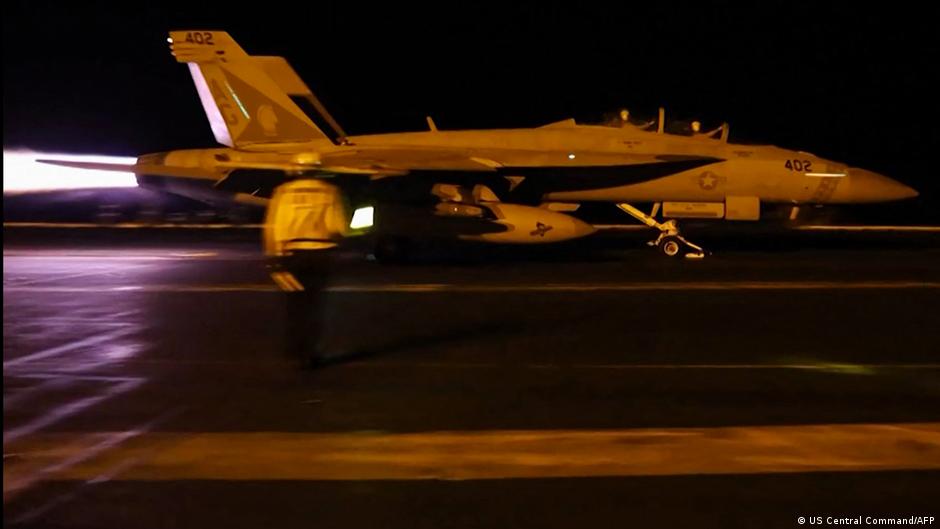
The United States military has sustained a relentless campaign of strikes against Iran for the tenth consecutive day, intensifying a volatile conflict in the strategically critical Middle East region. The latest wave of attacks, initiated on July 20 by the US Central Command (CENTCOM), focused on Iranian air defense systems, missile, and drone launch sites, highlighting Washington's intent to neutralize Tehran’s military capabilities used in attacks against civilian shipping in the Strait of Hormuz.
Escalation Dynamics and Strategic Implications
According to official CENTCOM communications, the strikes commenced at 16:00 Eastern Time (22:00 Central European Time) and targeted key Iranian military infrastructure including command centers, missile launch sites, and air defense systems. The US military described the operation as critical to diminishing Iran’s ability to threaten regional maritime security.
In a reciprocal move, Iran launched missile and drone attacks on countries hosting US military bases, including Kuwait and Jordan, further intensifying regional hostilities. These developments follow Tehran’s declaration on July 18 nullifying the ceasefire framework agreed upon with Washington in June, which was initially intended to culminate in a formal peace agreement within 60 days.
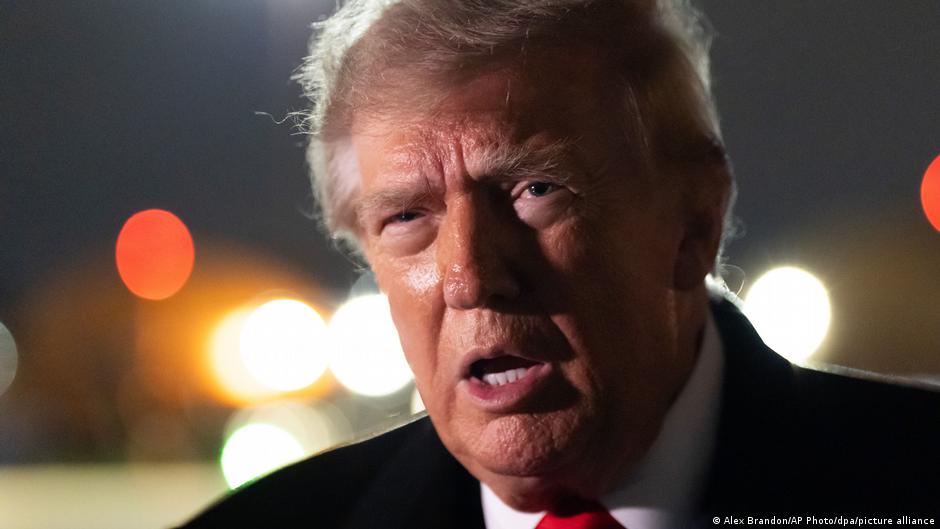
US President Donald Trump publicly vowed stringent retaliatory measures against Iran, warning of "multiple" repercussions for any further American military casualties. His statements, made shortly before the latest strikes, underscore the heightened risk of a prolonged armed confrontation.
“Every time Iran kills an American soldier, they will pay multiple times over,” Trump stated, signaling a policy of uncompromising military response.
Since the escalation's onset, CENTCOM has reported the deaths of three US service members, bringing the total military fatalities in the conflict with Iran to 17 since late February. The conflict’s intensification coincides with Iranian Revolutionary Guard Corps’ reported seizure of two oil tankers near the Strait of Hormuz, accusing them of illegal passage attempts. Subsequent explosions aboard these vessels have further disrupted regional maritime traffic.
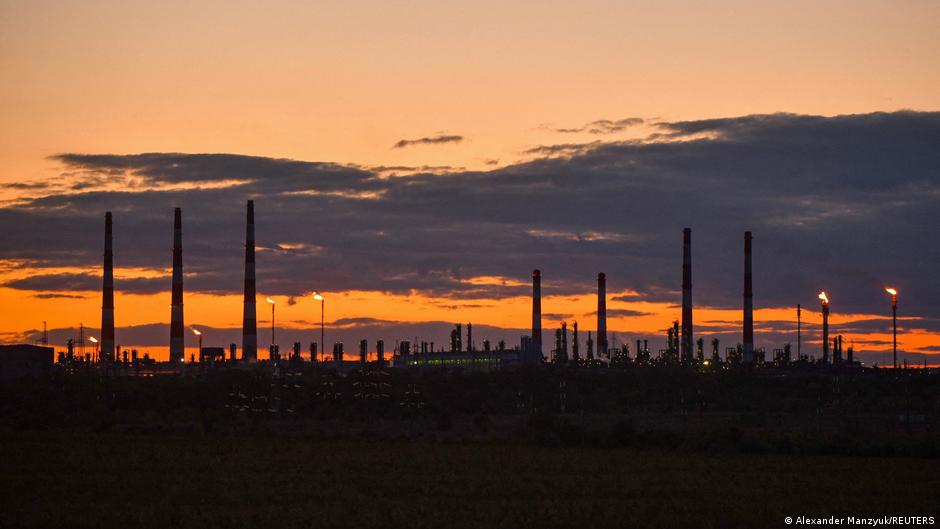
The Strait of Hormuz, a critical chokepoint for global oil shipments, has seen a reduction in commercial shipping traffic amid the conflict, with only four vessels passing through on July 19 compared to eight the previous day, according to data from the London Stock Exchange. This contraction in maritime activity signals growing concerns among global energy markets about supply chain stability in the gulf region.
Global Economic and Policy Repercussions
The ongoing military engagement between the US and Iran in the Gulf region carries profound macroeconomic implications. The Strait of Hormuz accounts for a significant share of daily global oil exports, and disruptions there threaten to exacerbate already volatile energy prices worldwide. Heightened military tensions increase the risk premium embedded in oil prices, potentially fueling inflationary pressures across energy-dependent economies.
Furthermore, the conflict elevates geopolitical uncertainty, complicating energy security policies for both producers and consumers. Governments and multinational corporations reliant on smooth maritime trade routes must now navigate increased risks of supply interruptions, prompting reassessments of contingency planning and strategic reserves.
The United States’ steadfast military posture signals a strategic policy shift toward aggressive containment of Iran’s regional influence. This approach may provoke retaliatory measures, heightening the risk of broader regional instability that could disrupt trade flows beyond energy commodities.
In the long term, the conflict underscores the vulnerability of critical global infrastructure hubs to geopolitical contestation, emphasizing the need for diversified energy sourcing and resilient supply chains. Senior economic decision-makers must weigh the potential for protracted instability against ongoing efforts to stabilize energy markets and foster diplomatic resolutions.
In summary, the persistent US-Iran military confrontation in the Strait of Hormuz represents a pivotal flashpoint with far-reaching consequences for global economic stability, energy security, and international policy frameworks.