UAE Conducted Covert Strikes on Iran Amid Rising Regional Tensions and Economic Risks
The UAE’s undisclosed military actions against Iran mark a strategic shift with broad implications for Gulf stability and global economic dynamics.
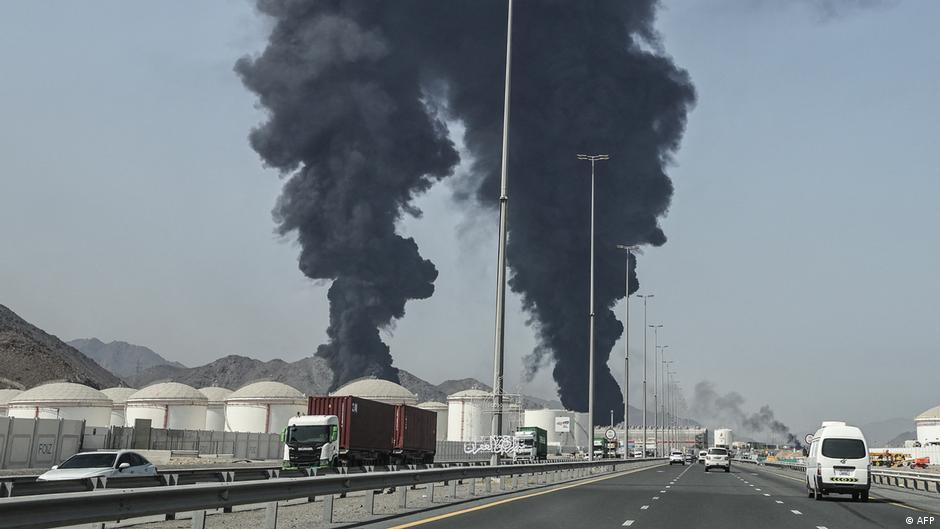
The United Arab Emirates (UAE) has reportedly carried out covert military strikes against Iran in response to repeated attacks from the Islamic Republic, signaling a significant escalation in Gulf regional hostilities. These developments, uncovered by informed sources, shed light on a previously unacknowledged dimension of the ongoing conflict that carries important macroeconomic and geopolitical implications.
Undisclosed Military Engagements and Regional Impact
According to recent reports, one notable UAE strike targeted an Iranian oil refinery located on Lavan Island in the Persian Gulf in early April. This attack coincided closely with a declared ceasefire announced by then-U.S. President Donald Trump, approximately five weeks into the broader conflict involving the United States, Israel, and Iran.
Iran publicly confirmed that the Lavan refinery suffered an enemy strike, which precipitated a series of retaliatory missile and drone attacks against the UAE and neighboring Kuwait. The UAE government has not officially acknowledged its role in these operations but continues to reserve the right to respond militarily to hostile actions, a stance underscored by previous public statements.
"The UAE has emerged as an active participant in the conflict, reflecting a strategic recalibration in its foreign policy and defense posture amid persistent Iranian aggression."
Sources indicate that the United States tacitly welcomed the involvement of Gulf Cooperation Council (GCC) states, including the UAE, in countering Iranian threats. This support, reportedly expressed without public fanfare, reflects Washington’s broader regional objectives, even as official U.S. entities like the Pentagon declined to comment on the specifics of the strikes.
Economic and Strategic Consequences for the UAE and Gulf Region
Since the conflict's onset, Iran has launched an estimated 2,800 drone and missile attacks against the UAE—surpassing attacks on any other country, including Israel. These escalations have inflicted material damage on key UAE sectors such as aviation, tourism, and real estate, triggering layoffs and unpaid leave across various companies.
More critically, the attacks have prompted a fundamental shift in the UAE’s strategic calculus. Iranian aggression is now viewed not only as a military threat but also as a challenge to the UAE’s economic model, which relies heavily on attracting foreign talent and maintaining a reputation as a safe, stable hub for international business.
Equipped with advanced military aviation assets—including French Mirage fighters and American F-16s—UAE pilots are among the region’s best trained, enabling the country to conduct precise and effective strikes. This enhanced military capability combined with the political willingness to engage marks a notable policy shift that could reshape Gulf security architecture.
For global economic actors, these developments raise concerns about the stability of critical energy supply routes and the broader geopolitical risk environment in the Persian Gulf, a region essential to global oil markets. The ongoing hostilities may amplify volatility in energy prices and complicate supply chain resilience, emphasizing the need for continued monitoring and strategic planning by policymakers and investors alike.