Latvian Defense Minister Resigns After Drone Incursion Highlights Regional Security Risks
Latvia’s defense chief steps down following unauthorized drone flights amid escalating regional tensions and implications for NATO airspace security.
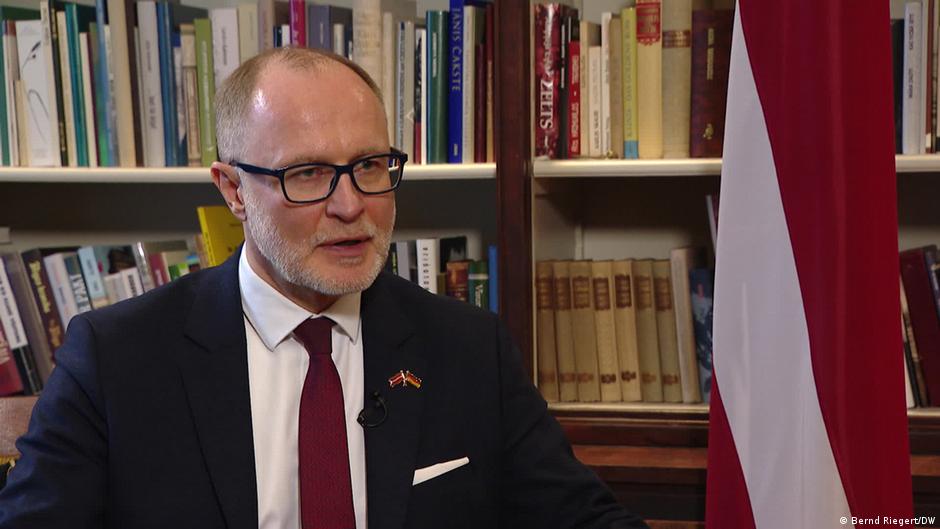
Latvia’s Defense Minister Andris Spruds tendered his resignation after two drones, reportedly launched by Ukraine targeting Russia, violated Latvian airspace. The incident, which occurred on the night of May 7, exposed vulnerabilities in Baltic airspace security and raised concerns about the broader geopolitical and economic implications for the region.
Security Incident Signals Broader Regional Challenges
The drones entered Latvian airspace from the Russian border, with one crashing on the premises of a refinery in Rezekne. While Ukraine is engaged in defending itself amid the ongoing conflict with Russia, these incursions have increased tensions and spotlighted the challenges NATO faces in securing its eastern flank.
"I have decided to step down to protect Latvia's military from becoming embroiled in political disputes," said Spruds, emphasizing that unauthorized drone activities should never endanger civilian safety.
Latvian Prime Minister Evika Silina expressed a loss of confidence in Spruds, attributing the incident to failures in military leadership to uphold promises of maintaining secure skies. The resignation reflects a critical response to perceived lapses in defense oversight amid a complex security environment shaped by the Russia-Ukraine war.
The incident is part of a series of drone-related airspace violations in the Baltic region, with previous incursions reported in Finland and Estonia. Estonia’s Defense Minister Hanno Pevkur has called on Ukraine to enhance drone control measures, underscoring the regional diplomatic balancing act required to support Ukraine’s defense efforts without compromising NATO member states’ sovereignty and security.
Macroeconomic and Policy Implications
The drone incursion and subsequent political fallout in Latvia reveal deeper economic and strategic risks for NATO countries bordering Russia. The Baltic states are pivotal for NATO’s deterrence strategy, and any perception of weakened air defense could result in increased military expenditures to reinforce airspace monitoring and response capabilities.
Heightened tensions also threaten to disrupt regional economic stability. For instance, the crash of a drone near a key oil refinery raises concerns about potential vulnerabilities in critical energy infrastructure, which could have broader implications for energy supply chains and market confidence in the Baltic region.
Furthermore, the event may prompt NATO and EU policymakers to reconsider defense collaboration and invest in advanced counter-drone technologies to mitigate risks posed by asymmetric warfare tactics increasingly employed in the Ukraine conflict.
Long-term, Baltic countries might face increased pressure to balance support for Ukraine with the imperative of safeguarding their own national security and economic interests. This balancing act will influence future policy decisions on defense budgets, airspace sovereignty, and regional cooperation mechanisms.