Ukraine Offers Long-Range Drones and Missiles to NATO Amid Shifts in European Defense Capabilities
Ukraine proposes enhancing NATO's precision strike capacity with advanced long-range drones and missiles, responding to recent U.S. policy changes in Europe.
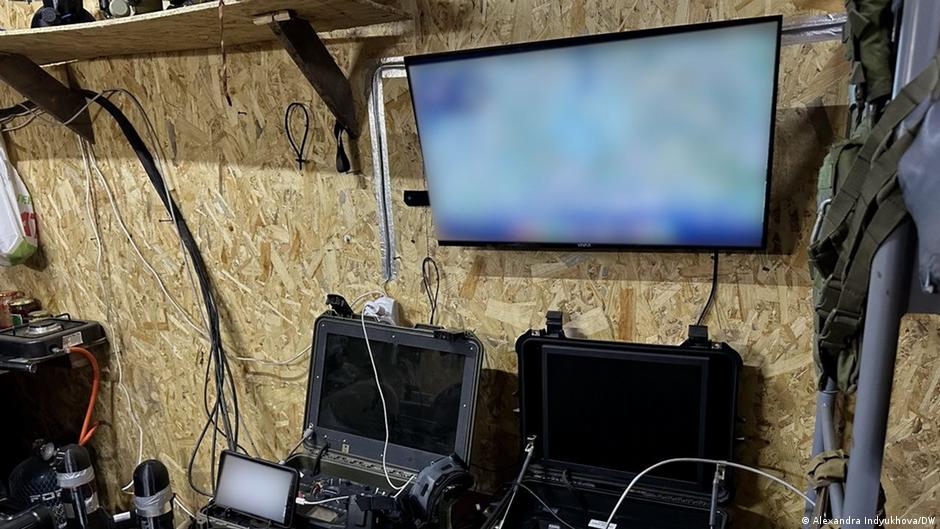
Ukraine has indicated it can fill critical gaps in NATO's long-range strike capabilities by supplying the alliance with advanced drones and missile technology. Speaking in an interview published on May 11, Ukraine's ambassador to NATO, Alena Hetmanchuk, emphasized Kyiv's readiness to support NATO's strategic needs with its expertise and unique weaponry.
Addressing NATO's Capability Gaps Amid U.S. Withdrawal
Hetmanchuk outlined that if key NATO members like Germany request enhanced offensive capabilities, Ukraine could provide effective long-range drones and missiles. This offer comes as NATO faces a strategic deficit in Europe following the U.S. decision to withdraw certain missile deployments.
Earlier in May, U.S. President Donald Trump canceled agreements related to stationing American Tomahawk cruise missiles and ballistic missiles in Germany. These platforms had been critical for targeting strategic assets deep within adversary territory, notably in Russia, such as command centers, power stations, and arms depots.
"We have expert knowledge and unique solutions not only in drone defense but also in precision strike capabilities," Hetmanchuk stated, highlighting Ukraine's potential contribution to NATO's defense evolution.
The removal of these U.S. missile systems has left NATO without a direct countermeasure to Russian missile threats like the 9M729 (SS-C-8) cruise missiles capable of carrying nuclear warheads, and the "Iskander" missile systems. This shift is raising concerns about the alliance's deterrence posture in Europe.
Amid these developments, German Defense Minister Boris Pistorius visited Kyiv on May 11, signaling Germany's intent to deepen defense cooperation with Ukraine. Pistorius highlighted plans to jointly develop modern unmanned systems across all operational ranges, with a focus on "Deep Strike" capabilities designed to conduct precise attacks deep inside adversary territory.
"Through these efforts, we will strengthen the security of both our countries," Pistorius remarked, indicating a strategic partnership that aligns with both NATO's and Ukraine's defense priorities.
Moreover, according to reports citing anonymous EU and NATO diplomats, Germany is exploring the establishment of a bilateral U.S.-German enterprise to produce Tomahawk cruise missiles domestically by 2028. This initiative reflects a broader effort to restore and modernize Europe's missile capabilities in response to evolving geopolitical tensions.
Implications for European Security and NATO Strategy
Ukraine's offer to contribute long-range precision strike assets to NATO represents a significant policy shift that could reshape the alliance's strategic posture in Eastern Europe. It leverages Ukraine's battlefield experience and technological advances developed amid its conflict with Russia, potentially providing NATO with new operational flexibility.
For senior decision-makers, this development signals a potential recalibration in the balance of power and defense resource allocation within NATO. The alliance appears to be adapting to the gap left by the U.S. missile withdrawal by integrating partner countries' capabilities, fostering deeper defense industrial cooperation, and enhancing autonomous European production.
Long-term, this evolution may influence NATO's deterrence and response strategies vis-à-vis Russia, reinforcing the need for robust precision strike capabilities to counter advanced missile threats. It may also accelerate the development of joint defense technologies, contributing to greater interoperability between NATO members and partners.
Ukraine’s contributions could therefore serve as a catalyst for renewed strategic collaboration within NATO, helping the alliance to maintain credible deterrence and operational readiness in an increasingly complex security environment.