The Economist Reports Ukraine Gains Strategic Initiative Over Russia Amid Intensifying Drone Strikes
Ukraine's expanded deep-strike drone operations mark a shift in momentum, with significant territorial losses for Russia in April 2026.
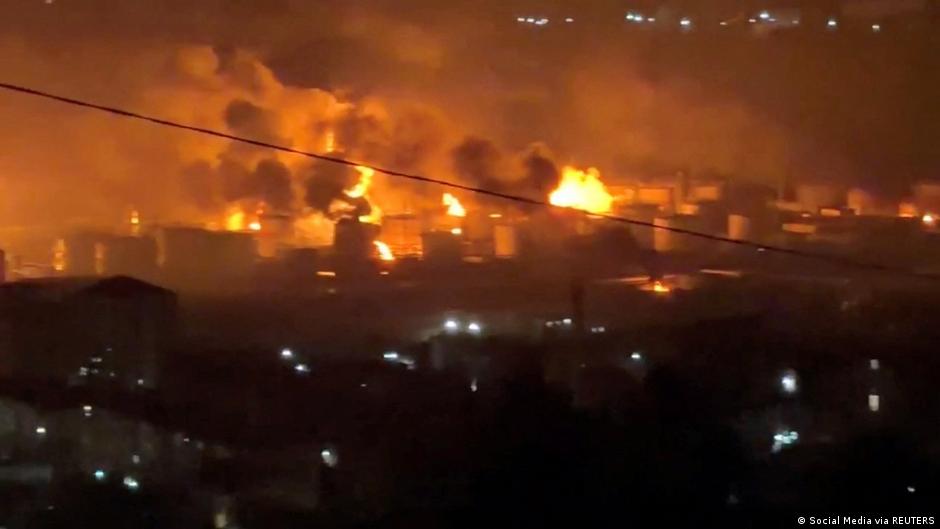
Recent analyses by The Economist indicate a pivotal shift in the Ukraine-Russia conflict, highlighting Ukraine's apparent seizure of strategic initiative from Russia. After enduring a harsh winter marked by relentless Russian drone and missile strikes targeting its urban centers and energy infrastructure, Ukraine is now inflicting increasingly significant damage deep within Russian territory.
Escalating Operations and Territorial Dynamics
According to The Economist, Russia’s anticipated spring offensive in 2026 failed to materialize meaningfully, culminating instead in a net territorial loss. In April alone, Russian forces lost more ground than they captured for the first time since August 2024, when Ukrainian forces advanced into parts of Russia's Kursk region. Detailed assessments based on maps from the American Institute for the Study of War (ISW) estimate that Russia lost control of approximately 133 square kilometers of territory within the last month.
Simultaneously, Ukraine has expanded the scale, reach, and intensity of its deep-strike operations. Notably, March marked the first month in which Ukrainian forces surpassed Russia in the number of drone strikes launched. These attacks target both economic and military infrastructure, some situated nearly 2,000 kilometers from Ukraine’s border. This operational reach places approximately 70% of the Russian population within drone strike range, indicating a substantial strategic evolution.
"Ukraine’s ability to extend its drone warfare deep into Russian territory signifies a shift that could redefine the conflict’s trajectory," notes military analyst Lawrence Freedman.
Casualty figures further illustrate the conflict’s severity. Since the full-scale invasion began, Russia has reportedly suffered approximately 1.4 million killed or severely wounded personnel, with monthly military losses estimated at around 35,000.
Looking ahead, expert opinion emphasizes the critical importance of the coming months. Sir Lawrence Freedman, honorary professor at the Royal College of Defence Studies in London, asserts that the trajectory of the war will depend on whether Russia can counter Ukraine’s advances in drone warfare and muster the necessary forces for a potential summer offensive.
Implications for European Security and Policy
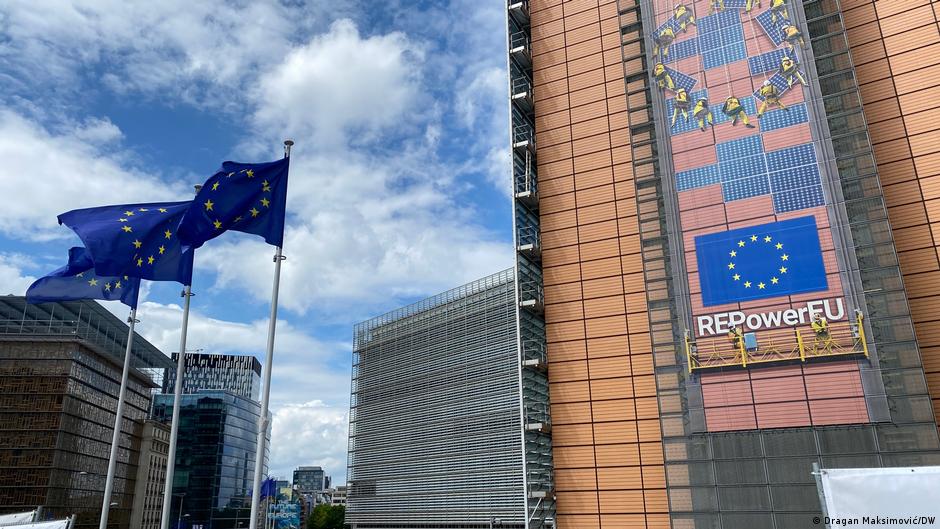
Following a recent meeting of European Union foreign ministers in Brussels, EU High Representative for Foreign Affairs and Security Policy, Josep Borrell, commented on Ukraine’s improved strategic posture compared to one year prior. Conversely, Russian President Vladimir Putin is considered to be in a weaker position than ever before.
These developments carry substantial implications for global economic and security policy. Ukraine’s enhanced capacity for deep strikes threatens to disrupt Russian economic stability and military logistics, potentially accelerating shifts in regional power balances. The demonstrated effectiveness of long-range unmanned systems may also influence defense procurement priorities and strategy discussions within NATO and beyond.
In sum, the evolving dynamics of the Ukraine conflict underscore the increasing role of advanced unmanned technologies in modern warfare and the broader geopolitical consequences. Policymakers must monitor these trends carefully, considering the long-term economic and security ramifications that extend well beyond the immediate battlefield.