Germany Considers Steinmeier to Represent EU in Potential Russia Peace Talks on Ukraine
Berlin explores a Steinmeier-Schröder mediation duo as EU's representative amid skepticism over Russia's negotiation intentions.
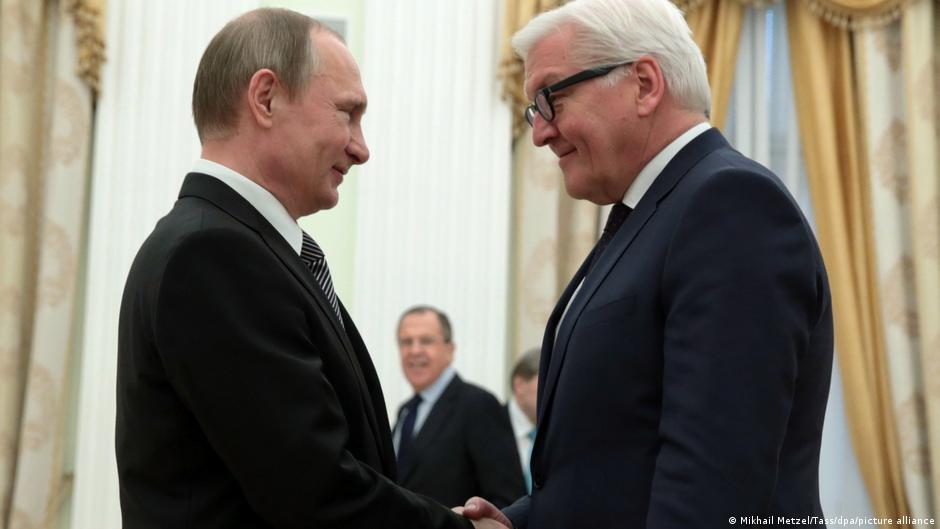
Germany's ruling coalition is contemplating a significant diplomatic initiative involving President Frank-Walter Steinmeier to represent the European Union in peace negotiations with Russia aimed at ending the conflict in Ukraine, according to reports.
Sources close to the German government have indicated that a "mediating duo" consisting of former Chancellor Gerhard Schröder and President Steinmeier could be proposed for EU representation in potential talks with Moscow. This approach is seen as a way to provide a balanced and credible European negotiation team.
Balancing diplomatic credibility and political realities
Despite Russian President Vladimir Putin's public endorsement of Schröder as the "preferred" EU candidate for negotiations, Berlin has been cautious about this suggestion. German officials reportedly doubt Schröder's ability to effectively represent the EU alone due to his longstanding personal ties with Putin and the complexities of the conflict.
As such, the idea of pairing Schröder with Steinmeier is considered an "interesting option" within German political circles, potentially combining Schröder's familiarity with Russian leadership and Steinmeier's established European and diplomatic credentials.
"The German government is skeptical about Russia's intentions, viewing Putin's proposal as lacking genuineness and more as a strategic maneuver than a step toward peace," a government source noted.
Earlier reports from Reuters, Süddeutsche Zeitung, and Der Spiegel highlighted Berlin's rejection of Putin's proposal for Schröder to serve as EU negotiator, citing concerns over trustworthiness and political feasibility.
Putin's May 9 statement at a Kremlin press conference suggested Russia's openness to dialogue but emphasized the need for a European negotiator without a history of criticizing Russia. This stance underscores Moscow's desire to shape the conditions and participants of any prospective talks.
Currently, official negotiations between Russia and Ukraine remain stalled. Russian Foreign Minister Sergey Lavrov confirmed in mid-April that no talks were underway. The lack of ongoing dialogue and Moscow's inconsistent messaging raise doubts about Russia's commitment to a peaceful resolution.
German officials reportedly consider the key test of Russia's intentions to be its willingness to extend a recent three-day ceasefire, which could demonstrate a genuine readiness for compromise and negotiation.
One source close to the German federal government described Putin's recent overture as part of a series of "pseudo-proposals" embedded in a broader Russian hybrid strategy aimed at sowing discord within Europe.
Implications for European and global economic stability
For senior decision-makers monitoring macroeconomic stability, the prospect of renewed EU-Russia negotiations carries significant implications. A credible peace process could alleviate energy market uncertainties, reduce the risk of further sanctions escalations, and foster a more stable geopolitical environment conducive to economic growth.
Conversely, if Russia's overtures are merely tactical, Europe could face prolonged conflict repercussions, including sustained energy supply disruptions, inflationary pressures, and fragmented economic policy coordination.
In this context, Germany's potential role in spearheading EU negotiation efforts reflects broader strategic calculations about Europe's diplomatic posture and economic security amidst an unpredictable geopolitical landscape.