Putin Endorses Schröder as EU Negotiator in Russia-Ukraine Conflict Talks
Russian President Vladimir Putin signals readiness for dialogue on Ukraine war, naming former German Chancellor Schröder as preferred EU interlocutor.
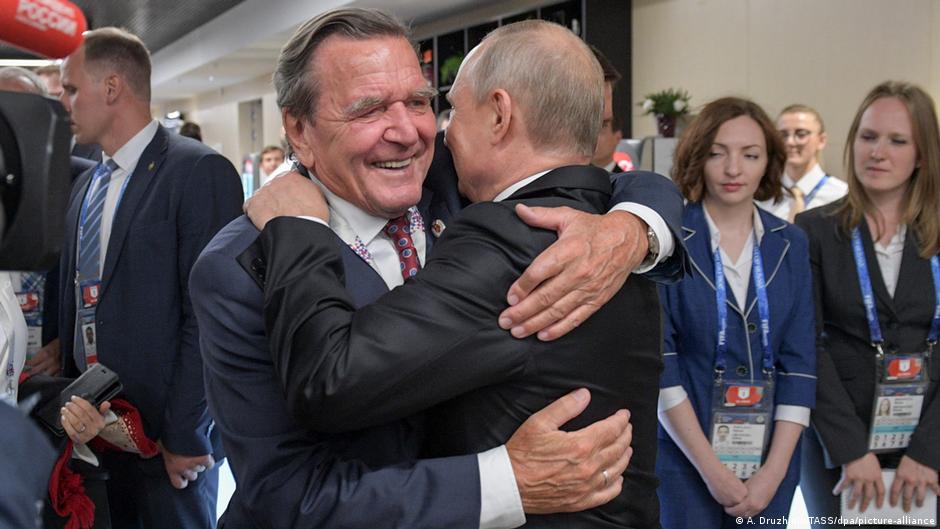
As the Russia-Ukraine war approaches a potential resolution, Russian President Vladimir Putin has publicly indicated Moscow's willingness to engage in negotiations, specifying conditions for dialogue and naming former German Chancellor Gerhard Schröder as his preferred European Union negotiator.
Putin's Preference for Schröder Highlights Diplomatic Nuances in EU-Russia Relations
During a press conference on May 9, Putin responded to a question regarding which Western European politicians he would consider legitimate partners in peace talks. His answer was unambiguous: "For me personally, the preferred candidate is former Chancellor Schröder." This choice underscores the complicated personal and political connections that continue to shape Russia-EU dynamics amid the ongoing conflict.
Putin emphasized that Russia remains open to dialogue but insisted on an interlocutor who has not made derogatory remarks against Moscow. He claimed that Russia has consistently engaged with the European Union respectfully, despite a history of inflammatory rhetoric from his administration. Notably, Putin has previously insulted European leaders and countries, calling them "piglets" as recently as December 2025. At the same press conference, he criticized Finland's accession to NATO and accused the country of harboring territorial ambitions against Russia.
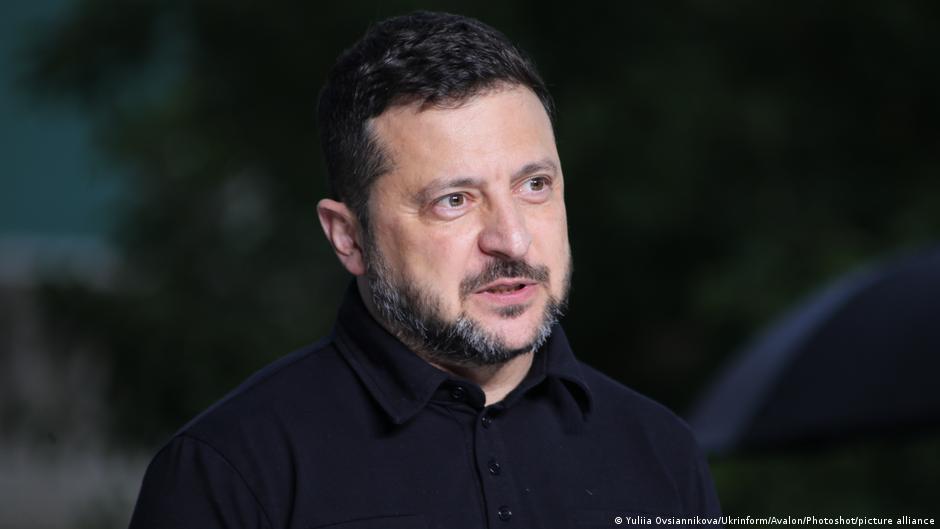
"We have never refused a meeting. Whoever wants to meet – let them come to Moscow," Putin declared regarding direct talks with Ukrainian President Volodymyr Zelensky.
While Putin reiterated openness to a high-level meeting with Zelensky in a neutral country, he conditioned such talks on reaching "final agreements designed for a long historical perspective." Official negotiations between Russia and Ukraine remain stalled, with Russian Foreign Minister Sergey Lavrov confirming in mid-April that no formal dialogue is underway.
Putin also relayed that Slovak Prime Minister Robert Fico conveyed Zelensky's willingness to meet at the leader level during a recent visit to Moscow. However, Kyiv has repeatedly dismissed Russian and Belarusian proposals for such meetings on their soil, questioning their sincerity.
Gerhard Schröder’s nomination reflects his longstanding ties with Putin and Russia’s energy sector. Serving as Germany's chancellor from 1998 to 2005, Schröder has since held leadership roles in companies connected to Russia, including the Nord Stream pipeline operator and the Russian oil giant Rosneft. German media frequently depict him as a close Putin ally and a prominent advocate for Russian interests within Germany.
Throughout the conflict, Schröder has maintained a pro-Russian stance. In January 2026, he criticized the "demonization" of Russia in an interview with Berliner Zeitung and advocated for the resumption of imports of affordable Russian energy resources.
Separately, a December 2025 report by The Wall Street Journal revealed that Putin personally lobbied for Steve Witkoff as a U.S. negotiator on Ukraine during the Trump administration. Witkoff was favored by Moscow for his business background rather than political experience and his propensity to circumvent traditional security protocols. Putin reportedly succeeded in arranging meetings with Witkoff without the presence of CIA agents, diplomats, or interpreters, illustrating the Kremlin's strategic use of informal channels.
Global Economic Implications and Policy Considerations
Putin’s endorsement of Schröder as an EU negotiator signals a potential shift in the diplomatic landscape, which could influence economic policy and energy markets. Schröder’s ties to Russian energy interests suggest that any negotiated settlement may prioritize Russia’s economic leverage, especially in natural gas exports to Europe. For senior policymakers, these developments raise critical questions about balancing engagement with Russia against broader strategic and economic security concerns.
Moreover, Russia’s insistence on selecting interlocutors perceived as favorable or sympathetic complicates multilateral negotiation efforts, potentially prolonging conflict resolution timelines. The international community must consider how such personal networks and political affiliations affect the viability of peace talks and the stability of regional economic integration.
As the war’s trajectory increasingly influences global supply chains, energy security, and investment climates, understanding the interplay between diplomatic posturing and economic policy is essential. Decision-makers should monitor these evolving dynamics closely to anticipate long-term impacts on European and global economic stability.