Poland Secures €44 Billion EU Loan for Defense Modernization Despite Presidential Opposition
Poland signs a major EU-backed credit agreement to finance defense upgrades, signaling shifts in European security investment and long-term fiscal commitments.
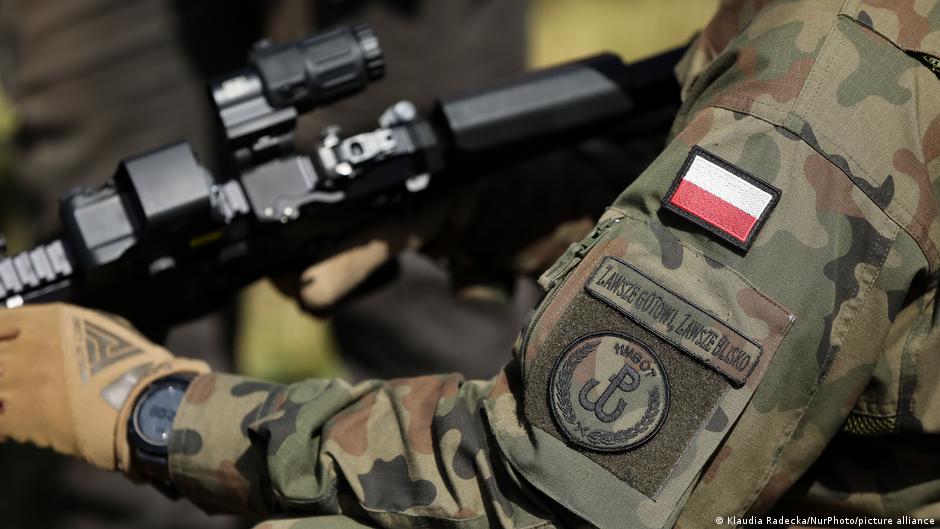
Poland has signed a landmark agreement with the European Union to secure a loan of nearly €44 billion aimed at modernizing its armed forces. This move positions Poland as the first EU member state to utilize the Security Action for Europe (SAFE) program, an ambitious initiative designed to enhance defense capabilities across the bloc.
Strategic Investment Amidst Fiscal Debates
The contract formalizing the credit framework was ratified by Poland’s Minister of Defense Vladislav Kosiniak-Kamysz, Finance Minister Andrzej Domański, representatives from the National Development Bank, and EU commissioners responsible for defense and budgetary matters. The comprehensive package accounts for approximately one-third of the SAFE program’s total €150 billion budget allocated for all participating EU countries.
Polish Prime Minister Donald Tusk highlighted that about 89% of the borrowed funds will be directed to Polish defense companies and their partners, underlining the scale of domestic industrial investment. "No other participating country will allocate such a significant portion of its defense budget to its own industry," Tusk emphasized. The Defense Minister added that the funds will be distributed across all branches of the armed forces, with a dedicated portion earmarked for enhancing cybersecurity capabilities.
“We are embarking on a transformative phase that will modernize our military infrastructure and support the broader security framework of the EU.” — Vladislav Kosiniak-Kamysz, Polish Minister of Defense
The initial tranche of €6.5 billion is expected to be disbursed imminently, with plans to finalize approximately 40 contracts by the end of May. Magdalena Sobkowiak-Charnecka, a government delegate, indicated that defense companies are tasked with establishing full production capacities by 2030, reflecting a long-term industrial strategy.
Payments under SAFE will be disbursed biannually—in October and April—with subsequent installments contingent on Poland’s delivery of progress reports to the European Commission. Notably, Poland will enjoy a grace period of ten years post-agreement during which it is exempt from repaying the principal amount of the loan, though interest obligations remain.
Political Controversy and Economic Implications
The agreement’s signing follows a notable political struggle. In March, President Karol Nawrocki vetoed Poland’s participation in SAFE, criticizing the program as a "massive external loan" with repayment terms extending up to 45 years and potential interest payments reaching approximately €41 billion. Despite this veto, the government clarified that it did not block the contract signing but restricted the loan’s application exclusively to military purposes.
Subsequently, Prime Minister Tusk suggested that SAFE’s financing could extend beyond traditional military spending to include border security, fire services, and police forces, signaling a broader interpretation of national security costs.
This strategic alignment with EU defense objectives marks a significant shift in Poland’s fiscal and security policy, with substantial implications for the EU’s collective defense industrial base and long-term debt dynamics. It underscores an increasing trend among EU members to pool resources for defense modernization amid evolving geopolitical tensions.
However, the scale and duration of the loan raise important questions about debt sustainability and fiscal priorities in Poland. The injection of such a large external credit facility into the defense sector might stimulate domestic industry and technological advancement but also commits the country to decades of repayment obligations, potentially constraining future budgetary flexibility.
For European policymakers and economic strategists, Poland’s deal is a bellwether for balancing military readiness with fiscal prudence, highlighting the complex interplay between security imperatives and economic policy in a rapidly changing global environment.