US Considers Redeployment of Troops from Germany to Poland Amid Strategic Realignment
US President Trump signals potential troop shift from Germany to Poland, reflecting evolving NATO dynamics and US-European defense policy adjustments.
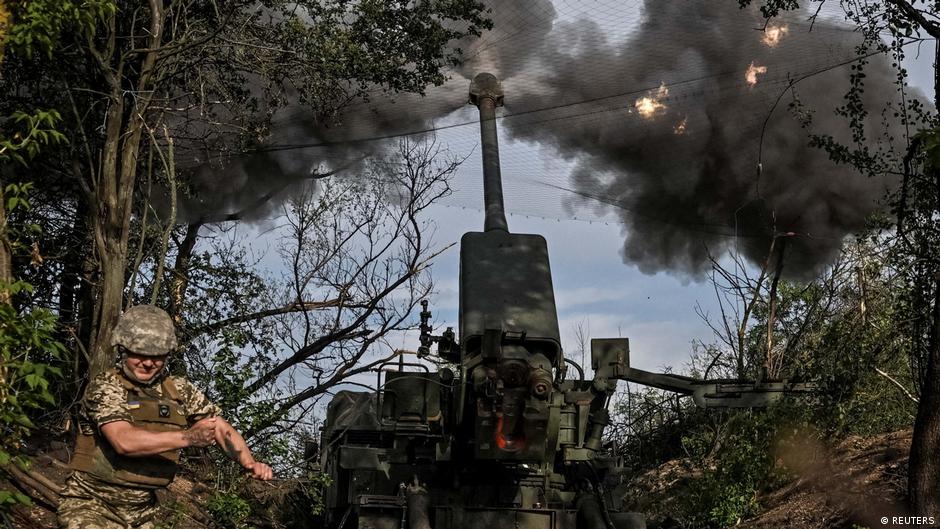
The United States is contemplating the redeployment of a significant portion of its military forces stationed in Germany to Poland, signaling a potential strategic shift in its European defense posture. This development follows recent decisions by the US Department of Defense to withdraw approximately 5,000 troops from Germany within the next year.
Shifting US Military Presence in Europe
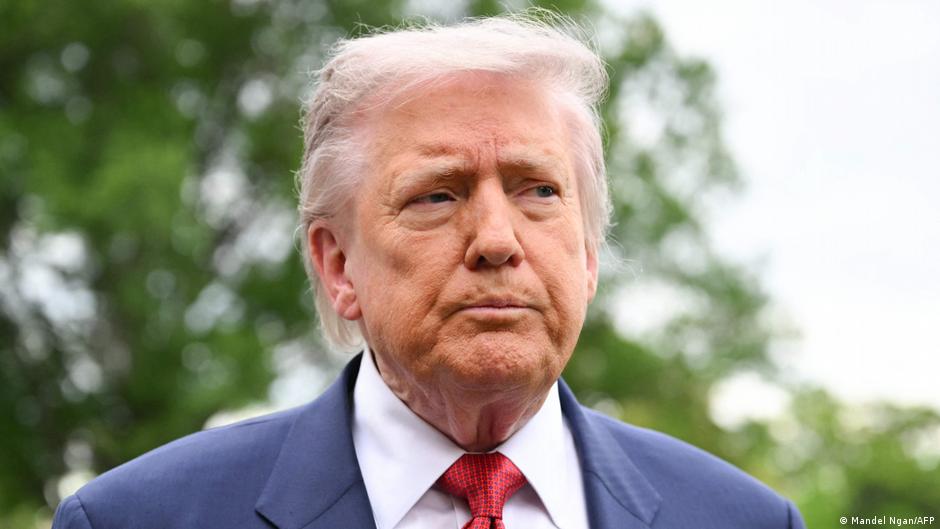
On May 8, US President Donald Trump acknowledged the possibility of relocating troops from Germany to Poland during a press interaction. Trump remarked, "Poland would like that. We have excellent relations with Poland. I have an excellent relationship with President Karol Nawrocki. I support them. I like him very much. So, it's possible." This statement underscored the strengthening US-Polish ties and the strategic importance Poland holds in US defense planning.
The backdrop of this development is the growing friction between Washington and Berlin. The US Secretary of Defense, Pete Hegseth, authorized the troop withdrawal order in early May, reflecting tensions that have escalated partly due to Germany's critical stance on US and Israeli military policies towards Iran. Notably, German Chancellor Friedrich Merz openly criticized the joint US-Israeli military approach against Iran and opposed the deployment of a Tomahawk missile-equipped battalion on German soil.
"We have the necessary infrastructure to accommodate the relocated forces," stated Polish President Karol Nawrocki during his visit to Lithuania, indicating Poland's readiness to support a larger US military footprint.
According to Pentagon data, as of December 2025, approximately 68,000 US military personnel were stationed across European bases, with Germany hosting the largest contingent of about 36,400 troops. The US maintains around 20 military installations predominantly in southern and southwestern Germany.
Broader Regional and Economic Implications
The potential troop shift to Poland carries significant macroeconomic and geopolitical implications. For Poland, hosting an increased US military presence could enhance its strategic importance within NATO, potentially attracting greater defense investments and boosting local economies through infrastructure development and increased demand for goods and services.
Conversely, Germany’s reduction of US troops may impact its defense industry and local economies hosting bases, while also signaling a reevaluation of its role within NATO's collective defense framework. This reconfiguration might prompt Germany to reconsider its defense spending and foreign policy orientation amid shifting transatlantic relations.
Lithuania has also expressed willingness to host additional US troops, currently accommodating over 1,000 personnel. This reflects a broader US strategy to deepen military partnerships in Eastern Europe, enhancing deterrence against regional threats.
From a global perspective, these troop movements illustrate a notable policy shift that may influence NATO's operational dynamics and the strategic balance in Europe. The reallocation could serve to counterbalance Russian influence and address emerging security challenges but also risks escalating regional tensions.
In sum, the US decision to withdraw troops from Germany and potentially redeploy them to Poland and elsewhere is a strategic recalibration with far-reaching economic and geopolitical consequences for Europe and transatlantic relations.