US Department of Defense Releases Declassified UFO Files, Prompting Global Policy Analysis
Pentagon publishes 161 declassified documents on unidentified aerial phenomena, inviting public and expert scrutiny amid ongoing national security considerations.
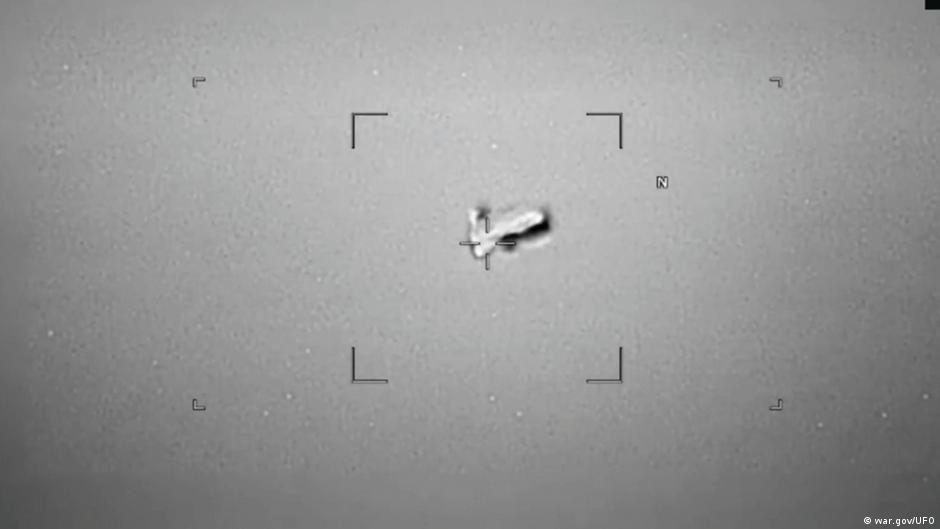
On May 8, the US Department of Defense (DoD) launched an unprecedented initiative to publish declassified files related to unidentified aerial phenomena (UAP) and unidentified flying objects (UFOs). The newly created section on the Pentagon’s official website currently hosts 161 files including photographs, PDF documents, and video footage sourced from the DoD, FBI, NASA, and the US Department of State archives.
Significance of Public Disclosure on UFO Files
The Pentagon describes the publication effort as a "historic initiative" that involves coordinated efforts across multiple federal agencies, including the White House, Office of the Director of National Intelligence, Department of Energy, and specialized Pentagon offices addressing anomalies across various domains. This process entails the review of tens of millions of documents, many of which previously existed only in paper form and span several decades.
"The Department plans to release new materials on a regular, ongoing basis as they are discovered and declassified," Pentagon officials stated, emphasizing the scope and continuity of the endeavor.
This initiative follows a directive issued by then-President Donald Trump in February, responding to escalating public interest in UAP phenomena. While all files have undergone security vetting, many remain unanalyzed for definitive explanations of the recorded anomalies.
The release of these materials comes against a backdrop of heightened public discourse, catalyzed by remarks from former President Barack Obama. In a podcast interview, Obama jested about extraterrestrial existence—acknowledging their theoretical presence but denying any personal observation or governmental concealment akin to the infamous "Area 51." His comments ignited widespread social media debate, prompting subsequent clarifications that no verified evidence exists of contact with extraterrestrial civilizations.
Global Economic and Policy Implications
While at first glance primarily a matter of national security and scientific inquiry, the Pentagon’s UFO document release holds broader macroeconomic and geopolitical significance. Transparency in this sensitive domain may influence government trust levels, impact defense spending priorities, and shape international cooperation on aerospace and intelligence matters.
Senior policymakers and economic strategists must consider how such disclosures affect technological innovation pipelines, particularly in aerospace, surveillance, and data analytics sectors. The ongoing analysis by public and expert communities may catalyze investment shifts toward enhanced research and development programs targeting aerial anomaly detection and response capabilities.
Furthermore, the collaboration among multiple US governmental agencies sets a precedent for interdepartmental coordination mechanisms that could be adapted for other complex, multidimensional challenges. Insights gained from the data review process might also inform broader strategic frameworks addressing emerging security threats and global information transparency standards.
In sum, the Pentagon’s ongoing efforts to declassify and disseminate UFO-related data underscore a commitment to openness in an area historically shrouded in secrecy. As these disclosures continue, they will likely reverberate through policy circles, economic forecasts, and international relations for years to come.