Armed Rebel Attacks in DR Congo Result in 69 Deaths Amid Ongoing Conflict
Recent clashes in northeastern DR Congo highlight persistent instability impacting regional economic and security outlooks.
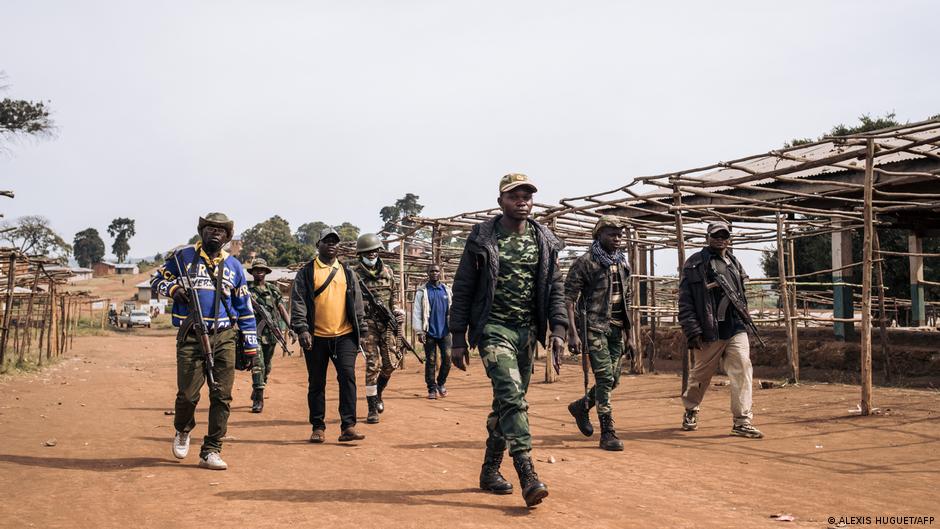
In late April, violent attacks by two rebel factions in the Ituri province of the Democratic Republic of Congo (DRC) resulted in the deaths of at least 69 individuals, including 19 combatants. The fatalities were only recently confirmed by authorities, underscoring the challenges in verifying conflict data amid ongoing insecurity.
Complex Rebel Dynamics and Regional Implications
The assaults were carried out by the "Convention for the Popular Revolution" (CRP) targeting a Congolese army unit, and subsequently by the "Cooperative for the Development of Congo" (CODECO), which struck several local villages in retaliation. CRP has ethnic ties to the Hema community, while CODECO claims to defend the interests of the Lendu group, revealing deep-rooted ethnic rivalries that complicate peace efforts.
"The protracted presence of armed groups like CODECO in Ituri continues to impede recovery and governance in one of Africa's most resource-rich regions," said a security official.
Ituri is a gold-rich province where control over mineral wealth fuels recurrent violence. Initially a large agricultural cooperative, CODECO evolved into a heavily armed group comprising thousands, and is considered one of the most brutal actors in the region. CRP was established by Thomas Lubanga, a former militia leader who was first convicted by the International Criminal Court (ICC) for war crimes. After his release in 2020, Lubanga entered politics and announced a new armed faction in 2025, citing government inaction against CODECO and Ugandan rebels.
Further complicating the security landscape, the March 23 Movement (M23), representing the Tutsi ethnic minority, continues to exert military influence in eastern DRC. With support from Rwandan forces, M23 seized control of Goma in 2025, a city with a population of approximately two million.
Economic Consequences and Policy Considerations
DR Congo’s persistent armed conflict, ongoing for over three decades since the 1994 Rwandan genocide, has displaced over seven million Congolese, severely hampering economic development and regional stability. The protracted violence disrupts vital mining operations, affecting global mineral supply chains critical for technology and manufacturing sectors.
For policymakers and international investors, the situation demands a nuanced approach balancing security interventions with sustainable governance reforms. Strengthening state institutions in Ituri and addressing ethnic grievances are essential to breaking the cycle of violence that undermines economic prospects in the region.